


Hobbies for Women That Do Double Duty (Healthy, Social, and Actually Fun)
Most hobby lists are built for someone with a free Saturday and no mental load. Two hundred ideas, no filter, and nothing that accounts for work, family, and the energy you actually have at 7 p.m.
The problem isn’t that you don’t have hobbies. It’s that most hobbies are framed as extra.
The hobbies that stick do double duty. They cover more than one need at once: movement and friendship, rest and structure, creativity and something to show for it. This list of hobbies for women is sorted by what each one gives back, so you can pick one or two and skip the other hundred.
This post contains affiliate links. If you buy through them, Reach Wellth may earn a small commission, at no extra cost to you.
What Makes a Hobby Do Double Duty
A double-duty hobby checks at least two of these boxes:
- It supports your physical or mental health
- It fits the schedule you actually have
- It cuts decisions instead of adding them
- It builds momentum instead of pressure
- It leaves you steadier than when you started
If a hobby only adds effort, it rarely sticks. That’s the line between healthy hobbies and the ones that quietly turn into another obligation.
The Best Hobbies for Women, Sorted by What They Give Back
Five categories, each paired with what it does for you. Start with the one that covers the need you’re shortest on right now.
Active Hobbies for Women: Movement + Connection
These count as exercise and a social life, which is exactly why they last. Movement becomes automatic when it’s tied to people. You don’t have to rely on motivation, because the structure is built in.
Group fitness classes
Barre, yoga, spin and reformer Pilates come with a schedule, an instructor and people who notice when you’re gone. That’s the whole trick, and it’s why studios are becoming a third place for women, somewhere between home and work where friendships form around a shared hour. I’ve kept barre3 in my week for years for that reason. If you’re deciding where to start, here’s what barre3 actually is and whether Club Pilates is worth the cost.
Walking dates and walking clubs
Walking counts. A standing walk with a friend is a workout, a catch-up and a mental reset in one calendar block, and walking is enough exercise on the days you don’t have more in you. To get more out of the same walk, a weighted vest for walking adds load without adding time.
Pickleball, tennis and rec leagues
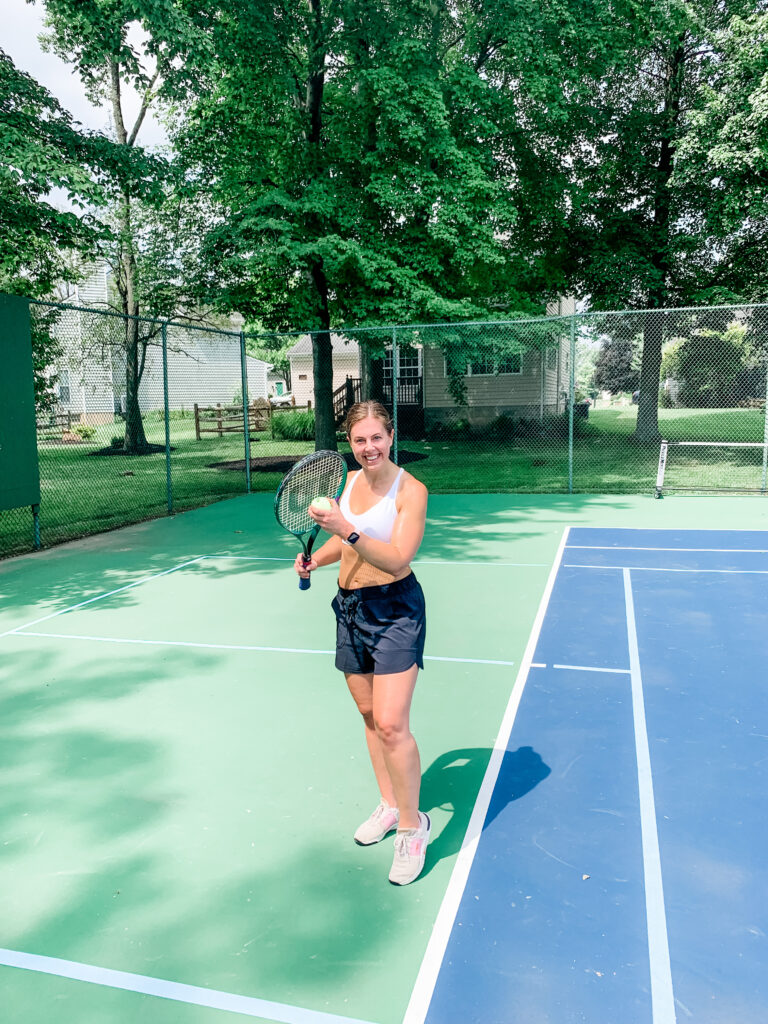
Pickleball has the lowest barrier of any racquet sport: a small court, a light paddle, and most people are rallying the first time out. A beginner pickleball paddle set with two paddles and balls is enough to find out whether you like it before you buy anything better. Tennis and rec leagues (volleyball, kickball, golf leagues) work the same way: the league sets the schedule so you don’t have to.
The honest caveat: it’s easy to overdo the first few weeks. Calves and shoulders feel it first, so keep early sessions short until your body catches up.
Strength training at home
Not every active hobby needs a group. A few
Cycling, indoors or out
A spin class like CycleBar gives you group energy in under an hour. Road cycling gives you a goal to train toward, and a goal like a first 100-mile ride builds its own schedule.
Hiking, paddleboarding and kayaking
Outdoor hobbies stack movement with daylight and a change of scenery. Most parks and outfitters rent boards and kayaks by the hour, so you can try one before you own anything.
Dance classes
Dance is cardio that doesn’t feel like cardio. A drop-in class asks for nothing beyond showing up.
These hobbies travel well, too. Here are easy ways to work out on vacation without hunting for a hotel gym.
Hobbies for Mental Health + Structure
These support emotional well-being while creating rhythm, the part that makes follow-through realistic. Structure removes friction. When the what and the when are already decided, consistency stops being a willpower problem.
Reading one book a month
One book a month is small enough to keep and big enough to feel like progress. Paper does something for focus that listening doesn’t, which is the case for reading instead of listening. If you need a first pick, start with the personal growth books worth your time.
Guided journaling
Prompts remove the blank page, which is where most journaling habits die. A five-year memory book asks for one line a day, about as low a dose as journaling gets. For prompts with a health angle, these health affirmations double as journal starters.
Language learning with streaks
Language apps with daily streaks turn ten minutes into a habit, and the streak does the remembering for you. The catch is that streaks reward showing up, not progress. Tie the app to something real, like an upcoming trip or a conversation group, so the streak has a point.
A weekly planning ritual
A standing hour to plan the week is a hobby if you let it be one: good coffee, a notebook and a list of decisions you won’t have to make on Wednesday. A Sunday reset routine gives it a shape.
Networking groups with working sessions
Groups that meet to actually work side by side combine accountability with adult friendship. Everyone shows up, everyone gets something done, and you leave with progress and a coffee date.
Productive Hobbies: Self-Care + Skill Building
These improve daily life while quietly building competence and confidence. They don’t feel indulgent. They feel useful, and that usefulness creates momentum and self-trust.
Cooking simple, nourishing meals
Cooking is the rare hobby that pays you back three times a day. A hands-on class is a low-pressure way to start and doubles as a night out, which is the whole appeal of a Sur La Table cooking class. And if cooking will never be your thing, eating healthy when you hate cooking is a perfectly good plan too.
Meal planning
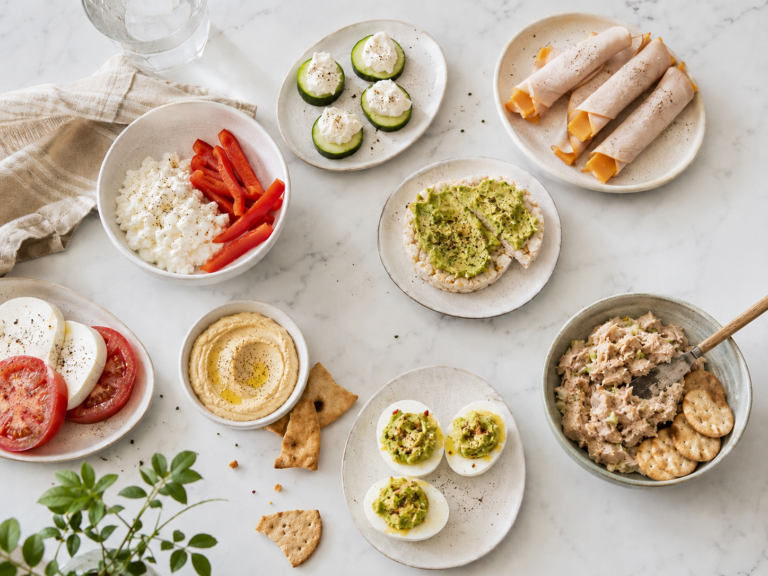
Meal planning turns one hour on the weekend into a week of decisions already made. Start with lunches, the meal that falls apart first, and borrow from these easy work lunch ideas.
Gardening
Gardening is movement, sunlight and dinner in one hobby. Start with a few herbs in containers. A full raised bed is a second-season decision, once you know you like it.
Low-Energy Social Hobbies for Busy Seasons
These are for the seasons when energy is limited but connection still matters. They need almost no prep and very little mental load, which is usually the real barrier.
Book clubs
A casual book club is friendship with a built-in agenda. Mine meets through my fitness studio, so one evening covers a workout, a book and a room full of friends.
Trivia nights
Trivia is a standing social plan that asks only that you show up. A regular team turns it into a weekly
Coffee or tea rituals with friends
A recurring coffee date is the lowest-effort way to keep a friendship from drifting. Same day, same place, no planning thread required.
Family-friendly volunteering
Food banks, park cleanups and animal shelters count as social time, family time and doing something that matters, all in one Saturday morning.
Creative Hobbies With Something to Show for It
Creativity lasts when it produces something tangible. Expression paired with output feels satisfying instead of aimless.
Writing or blogging
Writing gives you a place to think, and publishing gives it a finish line. If you have expertise or a passion worth sharing, here’s how to start a blog without overbuilding it.
Photography
Your phone camera is enough to start. A photo walk turns it into movement, too.
Scrapbooking and memory keeping
Memory keeping turns a camera roll you never scroll back through into something you’ll actually look at. A small album per year is plenty.
DIY projects with a purpose
A project with a finish line, like refinishing a dresser or building a raised bed, beats an open-ended craft. It’s the same reason a booked class beats a vague plan to work out.
How to Choose a Hobby as an Adult That Actually Sticks
As a certified health coach, this is the same filter I’d run on any new habit. Before committing to a hobby, ask:
- Does it support my health, whether physical, mental or emotional?
- Does it fit this season of my life?
- Does it reduce decision fatigue instead of adding to it?
- Does it serve more than one purpose?
A yes to at least two makes it a strong candidate.
The common failure is picking the hobby you think you should have. If you dread it before you start, it fails question two, no matter how healthy it looks on paper.
You don’t need more hobbies. You need better-aligned ones.
Why Fewer Hobbies Work Better
A long list of hobbies feels inspiring, but it rarely leads to action. Choosing one or two double-duty hobbies:
- Builds consistency
- Protects your energy
- Supports long-term health
- Fits into real adult life
- Gives you time to actually get good at something
- Makes you a more interesting person
It’s the same logic behind working out consistently without starting over every week: fewer commitments, kept longer.
FAQs
What are good hobbies for women?
The best hobbies for women cover two needs at once: group fitness classes, walking dates with friends, pickleball, book clubs, cooking and guided journaling are all strong picks. Choose the one that fits the schedule and energy you have now, not the one you’d pick on your best week.
What are healthy hobbies for adults?
Healthy hobbies support your body or your mind and don’t drain you to keep up. Walking, strength training, gardening, reading and cooking all qualify, and they get more effective when they’re social.
What are good hobbies for women in their 40s?
Strength training, pickleball, walking with friends and anything with a regular group are especially worth it in your 40s. That’s when stress starts to stack instead of clear, so hobbies that combine movement and connection do the most work. They also belong on the list of healthy habits to have by 40.
How do I find a hobby when I’m tired all the time?
Start with a low-energy social hobby like a book club or a standing coffee date, or a walk that doubles as a catch-up. Low-effort hobbies still count, and resting well when you’re busy matters as much as what you add. Movement often helps more than it costs, which is why working out when you’re tired can give energy back.
How many hobbies should an adult have?
One or two you actually do beats five you think about. Pick one that moves your body and one that feeds your mind or your friendships, and stop there.
What are cheap hobbies for women?
Walking, library books, journaling, volunteering, photography on your phone and city rec leagues cost little or nothing. Most studios also offer a free or discounted first class, so you can try group fitness before you commit.
Hobbies Are Part of the Foundation
The best hobbies for women aren’t about filling time. They’re about supporting the life you already have.
When a hobby improves your health and your week, it stops feeling optional and starts feeling essential. That’s what it looks like to treat health as your most valuable asset without making it your whole personality.
You’re not adding another project to your calendar. You’re giving an hour you already spend a second job.
Final Thoughts
Pick one hobby that moves your body and one that feeds your mind or your friendships. Make sure each checks at least two boxes, give it a season, and let the rest of the list go.


Get the Weekly Wellth Newsletter
Stay up to date & receive the latest posts in your inbox.