



How to Stop Eating Fast Food: The 4-Week Plan to Break Your Fast Food Addiction for Good
If you’ve ever wondered how to stop eating fast food and found yourself trapped in a cycle of drive-thru visits and delivery apps, you’re not alone.
Fast food addiction is real, and breaking free from it requires more than just willpower—it takes a strategic approach.
I’ve been exactly where you are. The intense cravings, the convenience trap, the cycle of guilt followed by another fast food run.
But here’s what I discovered: you can break your fast food addiction with small, manageable changes that actually stick.
In this comprehensive guide, I’ll share the exact step-by-step method I used to stop eating fast food, plus practical strategies to help you reclaim your health and transform your relationship with food.
What we’ll cover:
- Why Is It So Hard to Stop Eating Fast Food?
- The 4 Core Strategies That Actually Work
- The 4-Week Plan to Stop Eating Fast Food
- How to Fight Fast Food Cravings
- Timeline: How Long Does It Take?
- What to Expect When You Stop Eating Fast Food
Let’s dive into how to stop eating fast food and reclaim your health.
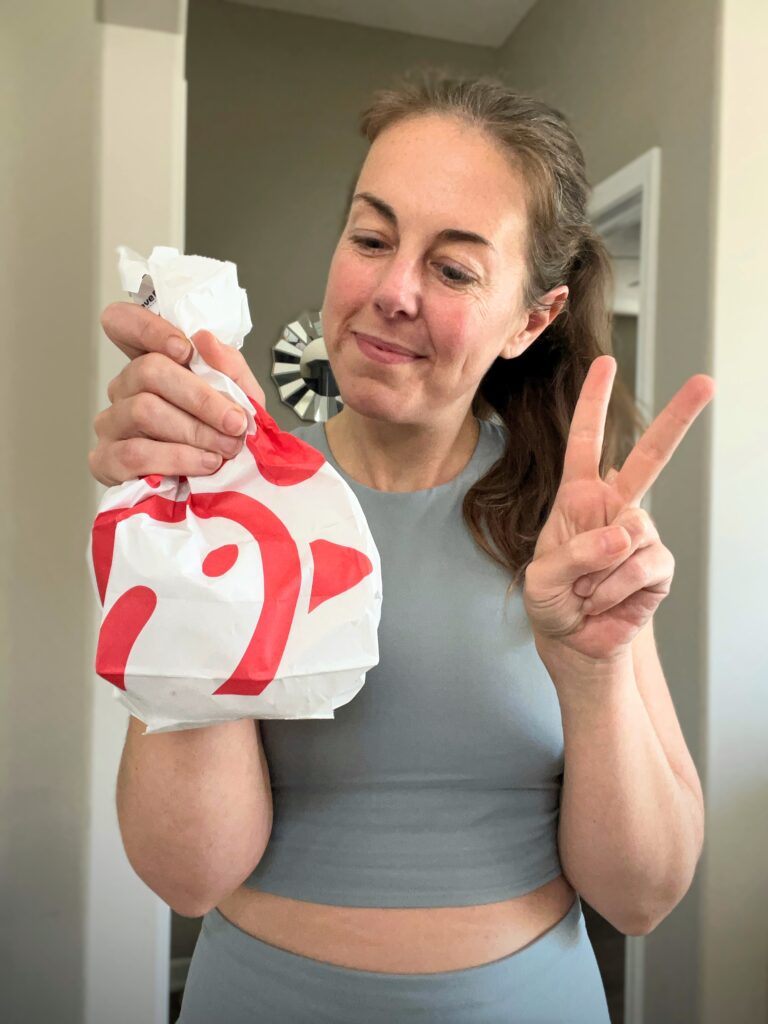
Why Is It So Hard to Stop Eating Fast Food?
Fast food addiction isn’t just about convenience and taste—it’s about biochemistry. Fast food is engineered to trigger pleasure centers in your brain, creating actual cravings that can feel impossible to resist.
Most people don’t realize they’re dealing with an addiction until they try to stop. The combination of high salt, sugar, and fat content, plus artificial flavor enhancers, creates a perfect storm for dependency.
You don’t need a research study to prove it. Junk food is absolutely an addiction, so to overcome it, you need to start treating it like one.
The good news? You can break free from fast food addiction using the same gradual approach that helps people overcome other habits. The key is working with your brain, not against it.
The 4 Core Strategies That Actually Work
Before we dive into the weekly plan, let me share the fundamental strategies that make this approach different from typical “just stop eating junk food” advice. These aren’t just tactics—they’re the foundation of lasting change.
1. Small Habit Changes Create Big Results
The biggest mistake people make when trying to stop eating fast food is going cold turkey. Your brain interprets dramatic changes as a threat and fights back with intense cravings.
Instead, we’re going to make tiny shifts that feel manageable. Think of it like turning a massive ship—you don’t jerk the wheel, you make gradual course corrections. Each small change builds momentum and confidence for the next one.
Why this works: Small changes don’t trigger your brain’s resistance mechanisms. You’re essentially “sneaking” healthier habits past your subconscious defenses.
2. Target the Real Culprits: Sugar and Fried Food Items
Here’s the game-changing insight that makes all the difference: not all fast food items are created equal. Instead of trying to eliminate everything at once, focus on stopping the orders that contain high sugar and fried foods first.
These are the menu items that create the strongest cravings:
- High-sugar items: Sodas, milkshakes, desserts, breakfast pastries, sweet coffee drinks
- Fried foods: French fries, fried chicken, onion rings, fried fish, donuts
- The worst combo: Items that are both fried AND sugary (like fried apple pies or churros)
Why target these specifically:
- Sugar causes blood sugar spikes and crashes, leaving you wanting more food within hours
- Fried foods are the most calorie-dense and trigger the strongest reward pathways in your brain
- These items are what keep you coming back – eliminate them, and the cravings significantly decrease
Your strategic approach: When you do eat fast food, choose items that are grilled, baked, or fresh instead of fried and sugary. A grilled chicken sandwich without fries and a diet soda is completely different from fried chicken with a milkshake in terms of how it affects your cravings.
The result: You can still eat out occasionally while breaking the biochemical addiction cycle that keeps pulling you back.
3. The “Crowding Out” Method
Here’s a game-changing mindset shift: you’re not eating less, you’re eating more of the right things.
Instead of focusing on restriction (which triggers scarcity thinking and binge cycles), we’re going to crowd out the fast food by filling up on nutrient-dense options first.
How it works:
- Start meals with a large glass of water and some vegetables
- Add healthy foods to every meal before removing anything
- Focus on fiber-rich foods that naturally increase satiety
- Prioritize protein and healthy fats that keep you satisfied longer
Example: Instead of “I can’t have a burger and a dessert,” it becomes “I’m going to eat this big salad first with my burger, and then see how I feel about dessert.” Most of the time, you’ll find you’re satisfied and the craving passes.
4. The 80/20 Mindset for Sustainable Success
Perfectionism is the enemy of progress. The 80/20 approach to healthy eating removes the all-or-nothing thinking that leads most people to give up after one “slip.”
Here’s how it works:
- 80% of your food choices are nutrient-dense, whole foods
- 20% can be more flexible—social situations, treats, or yes, occasional fast food
- No guilt, no “starting over Monday,” just consistent progress
This isn’t about being lazy with your health—it’s about being realistic. Life happens, and a sustainable approach accounts for that while keeping you moving in the right direction.
Want to dive deeper? I’ve written a comprehensive guide on how the 80/20 rule can transform your relationship with food that covers exactly how to implement this approach for long-term success.
Now that you understand the “why” behind our approach, let’s put these strategies into action with a week-by-week plan.
The 4-Week Plan to Stop Eating Fast Food
This fast food detox plan doesn’t require you to quit cold turkey (which often leads to failure). Instead, we’ll gradually shift your habits in a sustainable way.
Week 1: Make Healthier Fast Food Choices
Goal: Keep eating out, but choose healthier options
It would be unrealistic to expect you to stop eating out completely in week one. That would mean setting yourself up for failure. Instead, make it a rule, that if you go out to eat, only choose healthier options.
In my case, I would tweak my usual order, eliminating one to two highly processed, or sugary options, or tried something new on the menu all together.
Healthy fast food alternatives:
- Starbucks: Egg white and feta wrap instead of pastries
- Chipotle: Burrito bowl with extra veggies, no sour cream
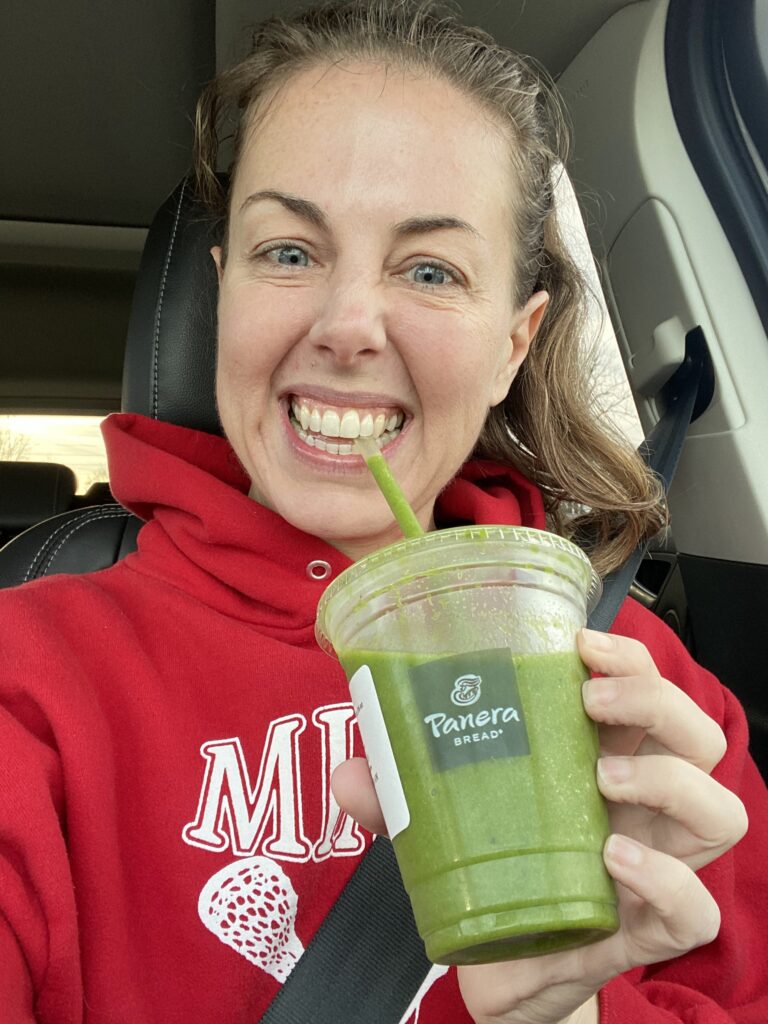
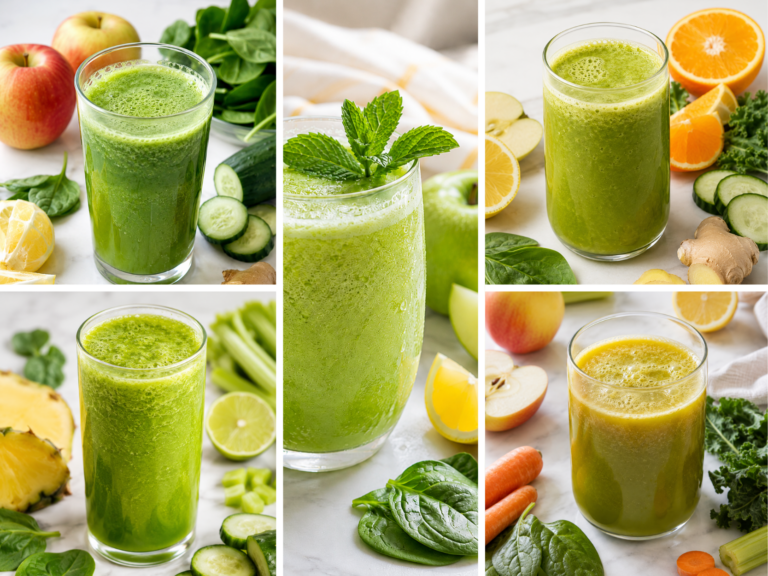
- Panera: Green smoothies and broth-based soups
- Chick-fil-A: Grilled chicken salad instead of fried options
- Subway: Salads with lean protein and lots of vegetables
Week 1 Rules:
- No fried foods
- No sugary drinks (stick to water, unsweetened tea, black coffee)
- Choose grilled over fried whenever possible
- Add extra vegetables to everything
These small swaps were a big step toward breaking my fast food habit without the shock of complete elimination.
Week 2: Cook Cravings at Home
Goal: Satisfy cravings with homemade versions
After mastering healthier restaurant choices, now it’s time to level up your approach. Week two is where you stop going out all together and start cooking whatever you crave, but making it at home.
This strategy works because:
- You control the ingredients and portions
- You become more mindful of what you’re eating
- You satisfy the craving without the excessive salt, sugar, and preservatives
- You start building cooking confidence
Examples of homemade fast food alternatives:
- Buffalo chicken sandwich → Baked chicken breast with hot sauce on whole grain bun
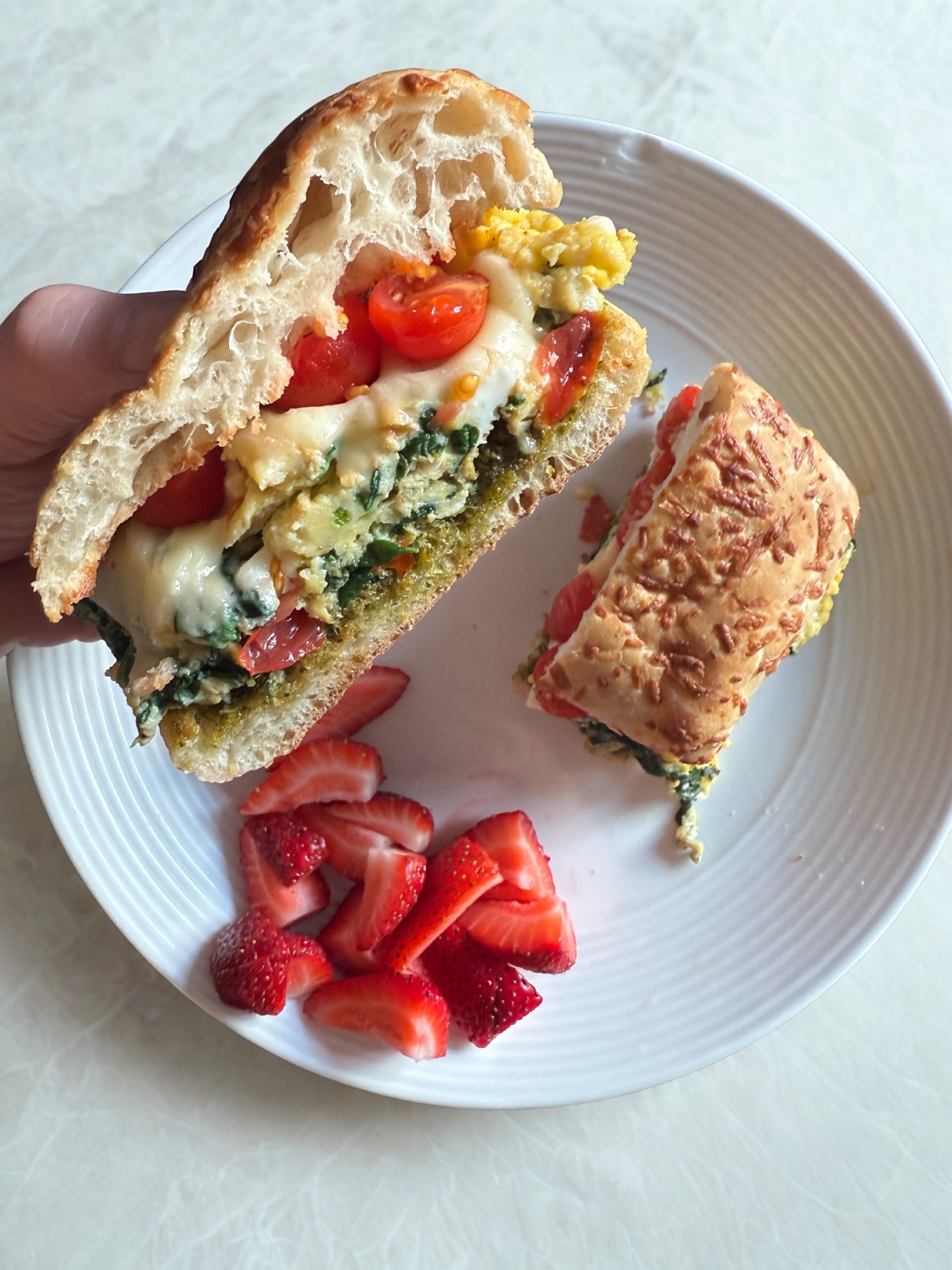
- Starbucks-style breakfast → Scrambled eggs with pesto on asiago bread
- Pizza → Whole wheat pita with sauce, cheese, and vegetables
- Burger and fries → Turkey burger with baked sweet potato wedges
- Wings → airfryer wings with homemade hot honey sauce, celery and copycat restaurant style ranch
Check out all my favorite copycat recipes here for more ideas →
Week 3-4: Introduce Healthy Whole Foods
Goal: Replace entire meals with nutrient-dense options
Weeks three and four are when the real transformation happens. Instead of just modifying fast food or making cravings at home, you’ll start replacing entire meals with whole food alternatives.
Sample meal replacements:
- Breakfast: Green smoothie (spinach, banana, almond milk, chia seeds) instead of breakfast sandwich
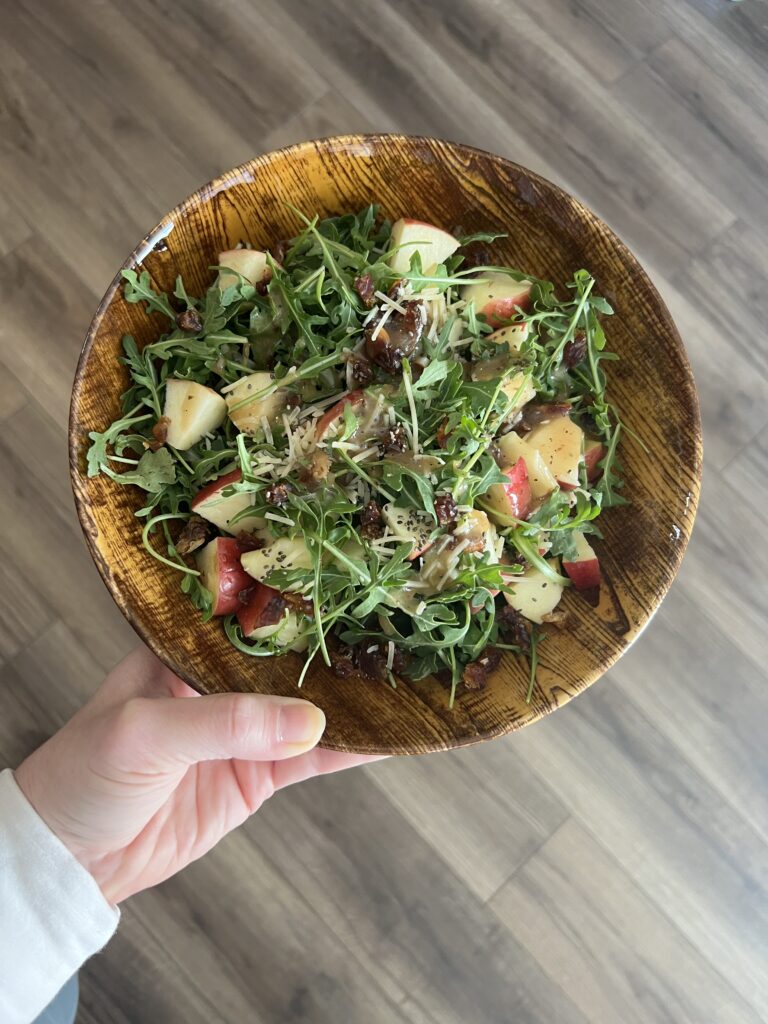
- Lunch: Large salad with leafy greens, lean protein, healthy fats (avocado, nuts) instead of burger and fries
- Dinner: Grilled chicken/fish with roasted vegetables and quinoa instead of pizza delivery
- Snacks: Apple with almond butter instead of chips, Greek yogurt with berries instead of ice cream
This stage is crucial because it allows you to discover that healthy food can taste amazing. The variety keeps things interesting, and soon you’ll start craving fresh foods instead of processed ones.
How to Fight Fast Food Cravings
Understanding the craving timeline was a game-changer for me. Here’s what to expect:
Days 1-3: Peak Intensity
Cravings are most intense during the first 72 hours. Your brain is still expecting those high levels of salt, sugar, and fat.
Survival strategies:
- Drink a large glass of water first
- Wait 10 minutes before deciding
- Have healthy alternatives ready
- Remind yourself cravings are temporary
Week 1-2: The Adjustment Phase
Cravings return in waves, especially during your usual fast food times (lunch break, after work, late night).
Combat strategies:
- Plan ahead with healthy meals and snacks
- Change your routine to avoid triggering locations
- Find new comfort activities (walk, call a friend, take a bath)
- Practice self-compassion—this is the hardest part
Month 1+: New Normal
By week 4, cravings significantly decrease. Your taste buds are adjusting, and healthy foods start tasting better.
The key insight: These cravings aren’t a sign of failure—they’re a sign your body is adjusting. Have compassion and be kind to yourself. Remember cravings are temporary and will go away.
Timeline: How Long Does It Take to Stop Eating Fast Food?
The honest answer: Breaking your fast food addiction takes 4-6 months of consistent effort.
But here’s the encouraging part, you’ll start feeling benefits much sooner:
- Week 1: Better energy levels, less afternoon crashes
- Week 2: Improved sleep, less bloating
- Month 1: Clearer skin, better digestion
- Month 2-3: Significant craving reduction, taste bud reset
- Month 4-6: Fast food becomes genuinely unappealing
Remember: It’s not about perfection. I definitely slipped up along the way. The important thing is getting back on track and continuing to build healthier habits.
What to Expect When You Stop Eating Fast Food
Your Taste Buds Will Reset
The most surprising part of my journey was how fast food tasted different after eating healthier for a few months.
You might find your favorite menu item doesn’t quite taste the same. Your favorite seasonal Starbucks drink, the Peppermint Mocha? Waaay too sweet. I wouldn’t be surprised if your future orders ask for half the pumps of sugar, or you’ve resorted to making your own version at home!
I remember the first time I tried my favorite, Skyline Chili after three months—it tasted overwhelmingly salty and artificial. it was then I knew my taste buds had literally reset themselves.
On the flip side, natural foods became incredibly satisfying. I’ll never forget biting into a strawberry and being amazed by how sweet and delicious it was.
Once you experience real, unprocessed food, fast food loses its appeal.
Physical Changes You’ll Notice
When you stop eating fast food regularly, your body responds quickly:
- Better energy levels throughout the day
- Improved sleep quality
- Clearer skin and better complexion
- Reduced bloating and digestive issues
- More stable mood (less hangry episodes)
- Gradual, sustainable weight loss
- Lower inflammation levels
Mental Shifts
Beyond the physical changes, you’ll experience important mental shifts:
- Increased confidence in your ability to make healthy choices
- Better relationship with food overall
- Pride in cooking skills you’ve developed
- Freedom from the guilt-craving cycle
- More mindful eating habits
Your Journey to Break Free from Fast Food
Breaking a fast food addiction isn’t easy, but it’s absolutely worth it. By making small, sustainable changes—choosing healthier options, cooking cravings at home, and gradually introducing more whole foods—you can completely transform your relationship with food.
The most important thing to remember is that this is a journey, not a destination. There will be ups and downs, successes and setbacks. What matters is consistency over perfection.
Stick with this approach for 4-6 months, and I promise you’ll reach a point where fast food simply doesn’t taste good anymore. Fresh, whole foods will become your new normal, and your body will thank you for it.
Ready to start your fast food detox? Begin with week one tomorrow—choose one healthier option instead of your usual fast food meal. Small changes lead to big transformations.



Get the Weekly Wellth Newsletter
Stay up to date & receive the latest posts in your inbox.