



What Is Whole Grain Mustard? 15 Easy Ways to Use It

Whole grain mustard is one of those ingredients that can sit quietly in your pantry or refrigerator until you suddenly realize you have absolutely no idea what to do with it.
I bought my jar after eating whole grain mustard with a warm soft pretzel and deciding I needed that combination at home immediately.
Then I apparently forgot about that plan.
Much later, I pulled the jar out and found myself asking two questions: Is this still good? And what the heck am I supposed to eat with an entire jar of whole grain mustard?
As it turns out, quite a lot.
Whole grain mustard is tangy, savory and slightly sharp, with visible mustard seeds that give it a little texture. A spoonful can upgrade chicken, potatoes, sandwiches, salad dressings, charcuterie boards and even a basic snack plate.
And because commercially prepared mustard is generally shelf-stable before opening and keeps well when stored properly after opening, you don’t have to use the entire jar at once.
Here’s what whole grain mustard actually is, how it compares with Dijon and other mustards, how to store it and 15 practical ways to use it.
What Is Whole Grain Mustard?
Whole grain mustard is a prepared mustard made with mustard seeds that are left whole or only partially crushed.
That’s what gives it its speckled appearance and slightly coarse texture.
Depending on the brand, the mustard seeds may be combined with vinegar, water, salt, spices and sometimes wine.
Compared with basic yellow mustard, whole grain mustard usually has a deeper, more complex flavor. It’s tangy and savory with a little bite, but it generally isn’t overwhelmingly spicy.
It also looks and feels a little more substantial than smooth mustard because the seeds stay visible.
What Does Whole Grain Mustard Taste Like?
Whole grain mustard has the familiar tang of mustard, but with more texture and often a slightly richer flavor.
Depending on the brand, it can taste:
- Tangy
- Savory
- Slightly sharp
- Mildly spicy
- A little sweet
- Slightly vinegary or wine-like
The mustard seeds themselves also give it a subtle pop.
That texture is one of the reasons it works so well in dressings, sauces and glazes. Instead of disappearing completely into a dish, the seeds stay visible and make even a simple meal feel a little more finished.
Whole Grain Mustard vs. Dijon Mustard
Whole grain mustard and Dijon mustard can taste somewhat similar, but their textures are very different.
Whole grain mustard contains visible mustard seeds and has a coarse, textured consistency. Dijon mustard is smooth and creamy.
Then there’s stone-ground mustard, which usually falls somewhere between the two because the seeds are ground, but not necessarily until completely smooth.
A quick way to remember it:
- Whole grain mustard: lots of intact mustard seeds
- Stone-ground mustard: coarse and partially ground
- Dijon mustard: smooth and creamy
- Yellow mustard: smooth, bright yellow and generally milder
You can sometimes substitute one for another in sauces, glazes and dressings, but the finished texture and flavor will be slightly different.
Where To Find Whole Grain Mustard
Look in the condiment aisle, usually right next to the Dijon.
The label doesn’t always say “whole grain,” which is half the confusion. You’ll also see it sold as “old style,” “country Dijon,” “coarse ground” or “stone-ground” mustard. If you can see the seeds through the jar, you’re in the right place.
A few widely available options:
- Maille Old Style Mustard is a classic French-style whole grain mustard with plenty of intact seeds.
- Grey Poupon Harvest Coarse Ground Mustard is easy to find in most grocery stores and is a coarser take on the familiar Dijon.
- Inglehoffer Stone Ground Mustard comes in a squeeze bottle, which makes it easy to use on sandwiches and pretzels.
Any of them will work for the ideas below.
15 Easy Ways To Use Whole Grain Mustard
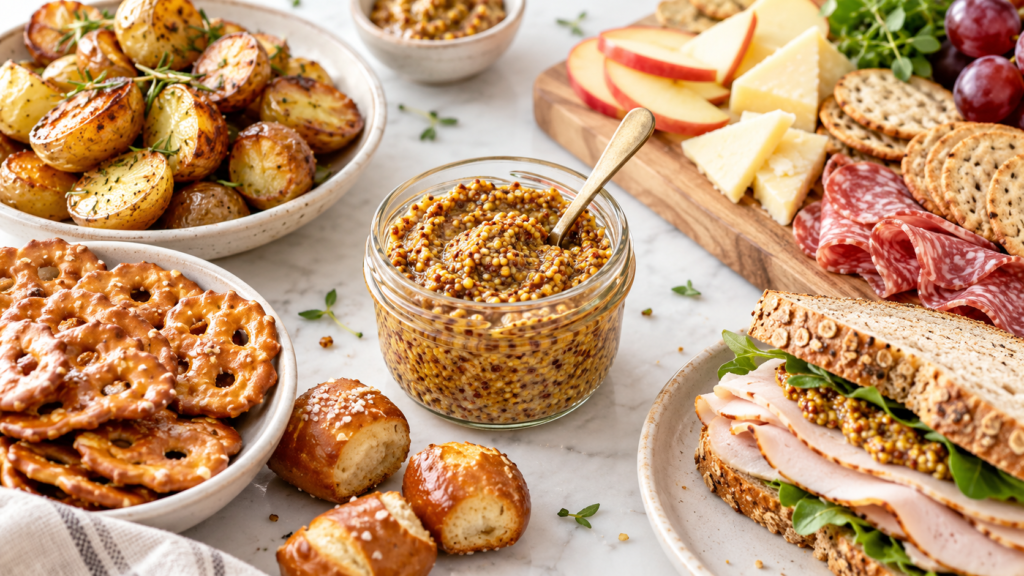
If you bought a jar for one recipe and now have no clue what to do with the rest, start here.
1. Dip Pretzels In It
A warm soft pretzel is what made me buy whole grain mustard in the first place, but you definitely do not need to make homemade soft pretzels to enjoy this combination.
Try whole grain mustard with:
- Frozen soft pretzels
- Pretzel bites
- Pretzel nuggets
- Pretzel sticks
- Pretzel crisps
- Regular crunchy pretzels
If you have frozen pretzel bites in the freezer, heat them in the oven or air fryer and put a spoonful of mustard on the side.
For an even easier snack, pair Snack Factory Pretzel Crisps with whole grain mustard and sharp cheddar.
You can also mix the mustard with a little honey if you want a sweeter dipping sauce.
2. Add It To a Charcuterie Board
Whole grain mustard is perfect for a charcuterie board because the tangy flavor balances richer meats and cheeses.
Put a spoonful in a small porcelain ramekin and serve it on a wood serving board with things like:
- Salami
- Prosciutto
- Ham
- Sharp cheddar
- Gouda
- Swiss cheese
- Crackers
- Pretzel crisps
- Pickles
- Sliced apples
- Grapes
And you absolutely do not need to be hosting people.
A small snack plate with cheese, crackers, deli meat, fruit and whole grain mustard makes an easy lunch or afternoon snack. If you want more ideas in that same low-effort category, these cottage cheese snacks work the same way.
3. Make Whole Grain Mustard Vinaigrette
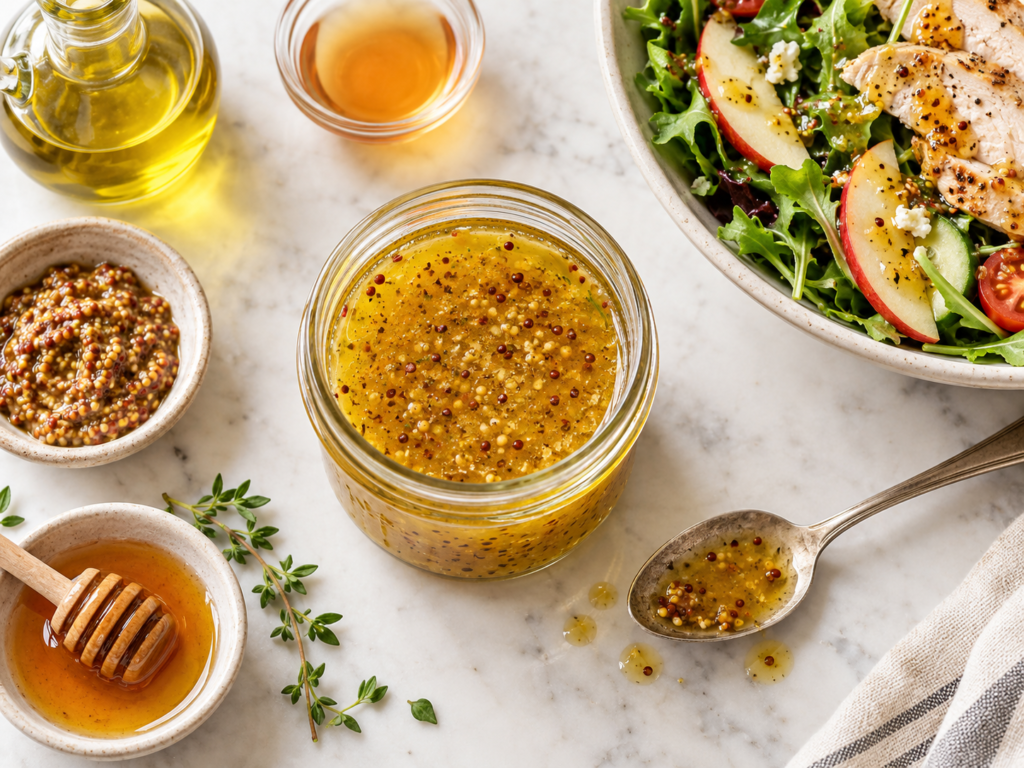
Whole grain mustard makes a simple vinaigrette feel much more interesting, and it’s one of the fastest ways to work through a jar.
The easiest place to start is this honey mustard vinaigrette, which comes down to five pantry ingredients:
- 1 tablespoon whole grain mustard
- 1 tablespoon honey
- 2 tablespoons apple cider vinegar or fresh lemon juice
- ¼ cup olive oil
- Salt and black pepper
Add everything to a jar or a little salad dressing shaker, shake it up and taste it on a piece of lettuce. The seeds give the dressing texture, and the mustard helps hold the oil and vinegar together so it stays blended longer.
Use it on green salads, grain bowls, roasted vegetables or even as a marinade. It’s a good swap on a Panera Fuji apple chicken salad, and if you like honey-based dressings, the honey lime dressing on this steak salad is built the same way.
Make a batch at the start of the week and it covers most of your salads and lunches without opening another bottle of dressing.
4. Make Honey Mustard Chicken
Whole grain mustard, honey and chicken are an easy weeknight combination.
Mix whole grain mustard with honey, olive oil, garlic, salt and pepper. Brush it over chicken breasts or chicken thighs before baking.
You can also reserve a little of the sauce to spoon over the cooked chicken.
Serve it with roasted sweet potatoes, broccoli, green beans or a simple salad. If you like this kind of sweet-and-savory dinner, my 15-minute honey garlic chicken belongs in the same rotation.
5. Upgrade Sandwiches and Wraps
Swap regular yellow mustard for whole grain mustard on sandwiches and wraps.
It works especially well with:
- Turkey and cheddar
- Ham and Swiss
- Roast beef
- Chicken sandwiches
- Grilled cheese
You can also mix a little whole grain mustard with mayonnaise to make a quick sandwich spread. It’s especially good on wraps made with Instant Pot shredded chicken or the hot ham sandwiches in this Aldi hot ham trio.
Add sliced apple, pickles or greens if you want more texture. Packing it for the office? These work lunch ideas have more combinations that hold up until noon.
6. Toss It With Roasted Potatoes
Whole grain mustard is an easy way to make roasted potatoes taste a little more interesting.
Roast baby potatoes until crispy, then toss them while they’re still hot with:
- Whole grain mustard
- Olive oil or melted butter
- Salt
- Pepper
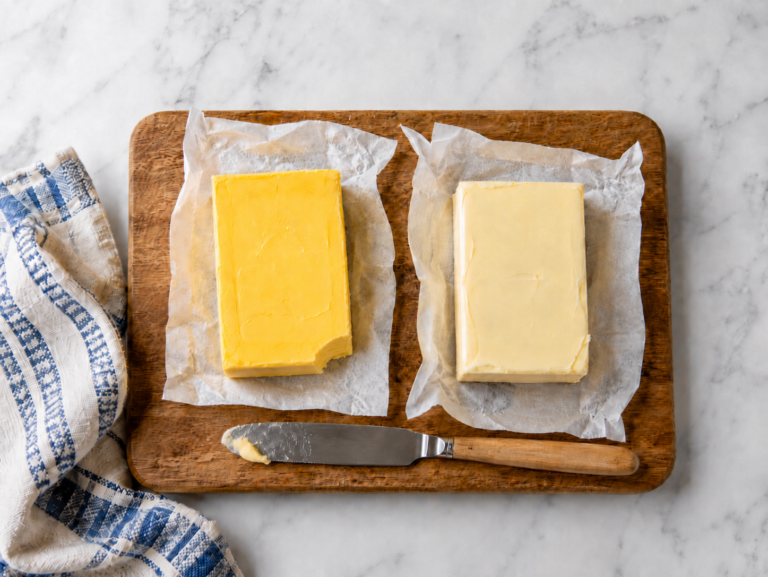
If you’re using butter, here’s when to reach for salted or unsalted butter, since mustard already brings some salt.
A little honey or maple syrup can balance the mustard if you want a sweet-and-savory version.
No baby potatoes? Cut Yukon Gold or red potatoes into bite-size pieces instead.
7. Serve It With Sausage or Brats
Whole grain mustard pairs especially well with richer sausages because the acidity helps balance the fat.
Serve it alongside:
- Bratwurst
- Chicken sausage
- Smoked sausage
- Kielbasa
Add roasted potatoes or vegetables and you have a very low-effort dinner. It’s also a natural spoonful on the side of Crockpot kielbasa and sauerkraut.
This is also a good way to turn leftovers into something that feels more intentional.
8. Make a Quick Pork Glaze
Whole grain mustard works really well with pork chops or pork tenderloin.
Mix it with honey or maple syrup, garlic and a little olive oil, then brush it over the pork before roasting.
You can also stir some into the pan juices after cooking to make a quick sauce.
9. Make a Creamy Chicken Pan Sauce
This one sounds fancy but is actually simple.
After cooking chicken in a skillet, remove the chicken and add:
- A splash of chicken broth
- A little cream
- A spoonful of whole grain mustard
Let it simmer until slightly thickened, then return the chicken to the pan.
You end up with a creamy mustard sauce without needing a complicated recipe.
10. Add It To Potato Salad
Whole grain mustard adds tang and texture to potato salad.
Stir a spoonful into your regular mayonnaise-based dressing, or make a lighter version with:
- Olive oil
- Vinegar
- Whole grain mustard
- Herbs
- Salt
- Pepper
It’s especially good with baby potatoes or Yukon Gold potatoes.
11. Add It To Deviled Eggs or Egg Salad
Swap some or all of the regular mustard in deviled eggs for whole grain mustard.
You’ll still get that familiar tang, but with a little more texture. The same trick works with egg salad.
Start with a small amount and add more to taste. If you want the eggs themselves to be the easy part, Instant Pot hard-boiled eggs take most of the work out of it.
12. Make an Easy Dipping Sauce
Whole grain mustard makes a great base for a quick dipping sauce.
Try mixing:
- Whole grain mustard
- Honey
- Mayonnaise or Greek yogurt
- A splash of lemon juice or vinegar
A mini whisk makes quick work of small-batch sauces like this one.
Use it for:
- Chicken tenders
- Fries
- Roasted vegetables
- Pretzels
- Sandwiches
- Potato wedges
This is also a good way to use a small amount of mustard without committing to an entire mustard-heavy meal. Want a second sauce in the rotation? This Raising Cane’s sauce copycat covers the same foods.
13. Add It To a Sheet-Pan Dinner
Whole grain mustard can become the flavor base for an entire sheet-pan dinner.
Mix it with olive oil, honey, garlic, salt and pepper, then toss it with:
- Chicken sausage
- Potatoes
- Broccoli
- Brussels sprouts
- Carrots
- Green beans
Spread everything out on a large half sheet pan so it roasts instead of steams, and cook until the vegetables are tender and browned.
One pan, one sauce and very little cleanup.
14. Toss It With Roasted Vegetables
You don’t need meat to make whole grain mustard useful.
It works especially well with roasted:
- Carrots
- Brussels sprouts
- Broccoli
- Cauliflower
- Green beans
Whisk a small amount of mustard with olive oil and honey or maple syrup, then toss it with the vegetables before or after roasting.
It’s an easy variation on garlic green beans, roasted cabbage quarters or hot honey feta carrots.
15. Add It To Cheese Sauce or Mac and Cheese
This sounds unusual until you remember that mustard and cheese are a classic combination.
A small spoonful of mustard can add acidity to a rich cheese sauce and keep it from tasting too heavy.
You don’t need enough to make the dish taste strongly like mustard. Start with about a teaspoon, stir it in and taste.
Dijon is more commonly used this way, but whole grain mustard works well if you don’t mind the visible seeds. Try it in this easy baked mac and cheese or the Panera broccoli mac and cheese copycat.
Does Whole Grain Mustard Need To Be Refrigerated?
Commercially prepared whole grain mustard is generally shelf-stable before opening.
Keep unopened mustard in a cool, dry pantry and follow the storage instructions printed on the jar.
Once opened, check the manufacturer’s instructions. Many brands recommend refrigeration after opening to preserve flavor and quality.
And remember that a best-by date is generally about quality rather than a hard food-safety cutoff.
If you find an older unopened jar in your pantry, check the packaging before using it. The seal should still be intact, and the jar should not be leaking, bulging or damaged.
After opening, discard it if you notice obvious signs of spoilage such as mold, an unusual smell, unexpected bubbling or anything else that seems clearly off.
When in doubt, replace it.
How Long Does Whole Grain Mustard Last?
The exact shelf life depends on the manufacturer, ingredients, packaging and how the mustard is stored. Your jar is the best source for specific storage guidance.
One of the nice things about mustard, though, is that you don’t have to plan five mustard-heavy meals in a row just because you opened it.
Store it properly, use a clean utensil when scooping it out and work it into meals as you need it.
That makes whole grain mustard especially useful for adding flavor to otherwise basic meals.
What Can I Substitute For Whole Grain Mustard?
If a recipe calls for whole grain mustard and you don’t have any, Dijon mustard is usually the easiest substitute.
The flavor will be somewhat similar, but you’ll lose the texture of the whole mustard seeds.
Stone-ground mustard is another good option and will give you a little more texture than Dijon.
Depending on the recipe, you can also use spicy brown mustard.
Yellow mustard will work in some recipes, but it has a milder and more distinctive flavor, so the finished dish may taste noticeably different.
What Goes Best With Whole Grain Mustard?
Whole grain mustard works especially well with foods that are rich, salty, savory or slightly sweet.
Some of the easiest pairings include:
- Pretzels
- Cheese
- Charcuterie
- Chicken
- Pork
- Sausage
- Potatoes
- Eggs
- Roasted vegetables
- Honey
- Apples
If something already tastes good with Dijon or honey mustard, there’s a good chance whole grain mustard will work too.
FAQs
Is whole grain mustard the same as Dijon mustard?
No. Whole grain mustard contains whole or partially crushed mustard seeds, while Dijon mustard is smooth. They can sometimes be substituted for one another, but the final texture will be different. If you want visible seeds and a little texture, use whole grain mustard. If you want a completely smooth sauce or dressing, Dijon may work better.
Is whole grain mustard spicy?
Usually only mildly. Most whole grain mustards have more tang than heat, but brands made with more brown mustard seeds can have a sharper bite. If you’re sensitive to heat, start with a small spoonful.
Is whole grain mustard gluten-free?
Mustard seeds are naturally gluten-free, and many whole grain mustards are labeled gluten-free. Some specialty mustards include beer or malt vinegar, though, so check the label if you need to avoid gluten.
Is whole grain mustard healthy?
It’s one of the easiest ways to add a lot of flavor for very few calories. A spoonful can stand in for a heavier sauce or dressing. Sodium varies by brand, so check the label if that’s something you watch.
What do you eat whole grain mustard with?
Pretzels, cheese, charcuterie, chicken, pork, sausage, potatoes, eggs and roasted vegetables are the easiest places to start. It also mixes well with honey, mayonnaise, Greek yogurt and olive oil for quick sauces and dressings.
Is Whole Grain Mustard Worth Keeping Around?
I bought my jar with exactly one plan: eat it with a soft pretzel.
That was apparently the entire strategy.
But whole grain mustard has turned out to be exactly the kind of ingredient I like having around because it doesn’t require an elaborate recipe to be useful.
You can whisk a spoonful into salad dressing, put it on a sandwich, toss it with roasted potatoes, add it to a charcuterie board, mix it with honey for chicken or simply pull out some pretzel crisps and call it a snack.
That’s the whole idea behind eating healthy when you hate cooking: a few good ingredients that make basic meals feel finished, without adding more work.
Sometimes the random condiment sitting in the back of the pantry doesn’t need to be thrown away.
It just needs a better plan.



Get the Weekly Wellth Newsletter
Stay up to date & receive the latest posts in your inbox.