



Easy Baked Mac and Cheese (No Roux, No Egg)
This baked mac and cheese has no roux, no eggs, and no cheese sauce to make on the stove.
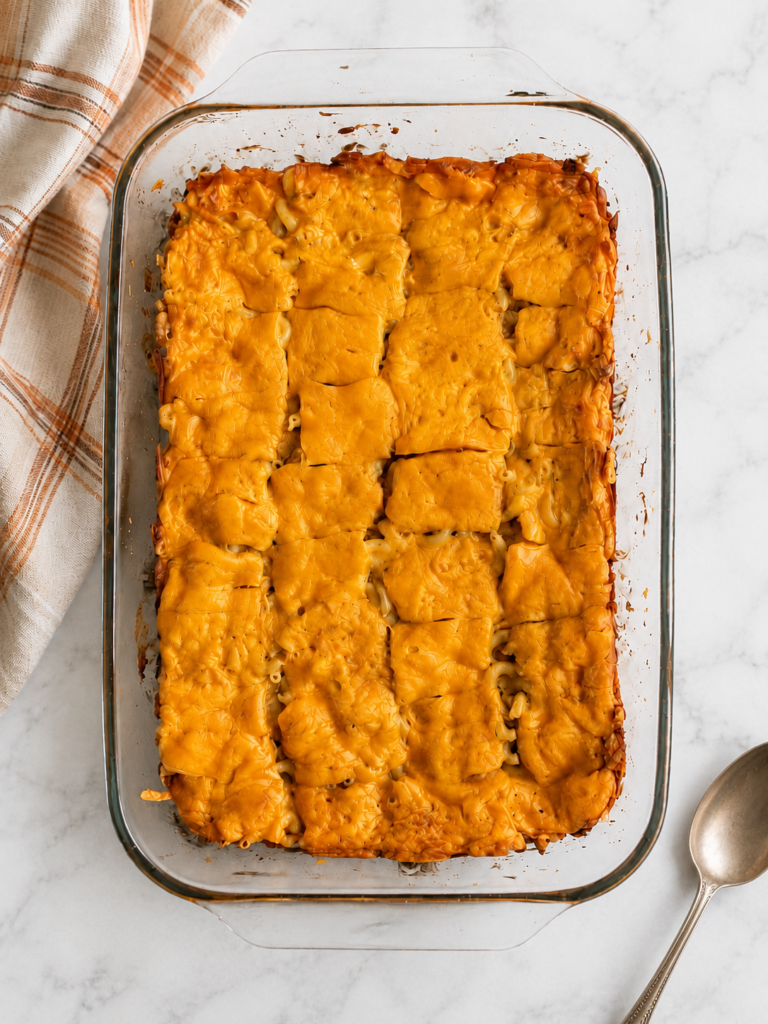
Elbow macaroni, crushed saltines, sharp cheddar, and whole milk go into a 9×13, get covered with sliced cheddar, and bake into something firm enough to cut into squares with a golden toasted crust on top.
It’s my mom’s recipe. She still brings two pans to every holiday because half the family ends up negotiating over the leftovers.
Why This Baked Mac and Cheese Works
Most mac and cheese recipes compete to be the creamiest and richest version of themselves. This one isn’t trying to win that contest, and that’s the reason it holds up on a crowded plate.
No roux, no eggs, no cheese sauce. You mix, pour milk, top with cheese, and bake. There’s no tempering, no whisking a béchamel, no worrying about the sauce breaking. The dish assembles in about ten minutes of hands-on work.
The saltines do the structural work. They aren’t filler. Crushed saltines absorb moisture as the casserole bakes, which is what thickens it without a flour-and-butter base and gives you that drier, more cohesive texture.
The texture is casserole, not soup. Firm enough to cut into clean squares, soft enough that the noodles give way immediately. If you’ve had baked spaghetti, it’s that same shift — structured rather than saucy.
The cheddar top is the whole point. Sliced sharp cheddar laid across the surface turns into a crispy, salty-sweet crust in the oven. Everyone at the table knows to go for a corner piece.
It’s built on affordable ingredients. Elbow macaroni, sharp cheddar, whole milk, saltines, salt, pepper. No Velveeta, no heavy cream, no six-cheese blend. It’s Midwestern practicality, and it’s part of a larger pattern in how good American recipes get made — something celebratory built out of what’s already in the cabinet. (More on eating well without overspending in how to save money on food shopping.)
Creamy Or Casserole-Style? What This Recipe Actually Is
If you’re used to stovetop mac and cheese or the ultra-creamy baked versions, this will be different, and it’s worth knowing that before you make it.
Creamy mac and cheese is excellent on its own. But on a holiday plate already carrying turkey, gravy, stuffing, and three other sides, a loose cheese sauce runs everywhere and competes with everything it touches.
This version doesn’t. The flavor is straightforward — sharp cheddar, salt and pepper, and a toasted top that adds a little caramelized crunch. It holds its shape next to the gravy instead of dissolving into it. That balance matters more on a full plate than complexity does.
If creamy is what you’re after, this isn’t the recipe to convert. Make it as written or make a stovetop version — trying to split the difference gets you neither.
Why There Are No Eggs in This Recipe
Most baked mac and cheese recipes you’ll find use one of two thickeners: a roux, or an egg custard. The Southern version bakes the noodles in a custard of shredded cheese, eggs, and evaporated milk, which sets into something gooey and slightly coagulated. It’s a great dish. It just isn’t this one.
This recipe uses crushed saltines instead, and it turns out that’s not an improvisation — it’s the older method.
Before cheese sauces took over, baked macaroni and cheese was made by layering cooked macaroni, grated sharp cheddar, and breadcrumbs in a dish, pouring milk over the top until it nearly reached the surface, and baking until the milk was absorbed and the top went golden. No roux, no eggs, no sauce made separately.
New England’s published versions of this are the best-documented, but the technique shows up in family recipes all over the country, and my mom’s is a Midwestern cousin of it.
Swap saltines for breadcrumbs and that’s this recipe, almost exactly. The crackers absorb the milk as it bakes, which is what sets the casserole — the same job the eggs do in the Southern version, and the same job flour does in a roux.
Which one you want depends on texture. Eggs give you a custardy, gooier set. A roux gives you creamy and saucy. Saltines give you firm and sliceable with a drier crumb. If you grew up on a version you can cut into clean squares, this is the one you’re remembering.
Ingredients You’ll Need
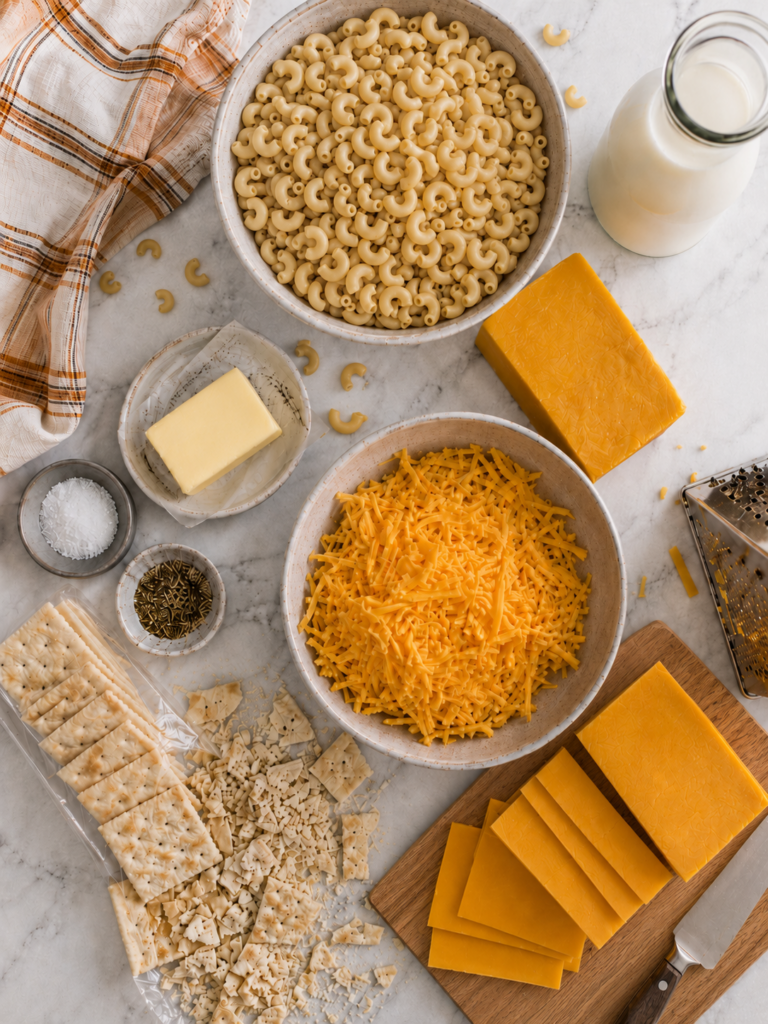
Six ingredients, all of them standard grocery store items. Full measurements are in the recipe card at the bottom.
Elbow macaroni
One pound, cooked to al dente. Don’t rinse it after draining — the starch clinging to the noodles helps everything bind as it bakes.
Saltine crackers
Two sleeves, crushed — about 3 cups. These are the structural ingredient and the reason there’s no roux. Two sleeves is not a typo; the milk sets by soaking into the crackers, which is what gives you the drier, sliceable texture. Buttery round crackers work in a pinch but bring more fat and less salt, so taste before you season.
Sharp cheddar, shredded
Three cups for mixing through the casserole. Shred it yourself from a block if you can — pre-shredded cheese is coated in anti-caking starch that keeps it from melting smoothly.
Sharp cheddar, sliced
A 16-ounce block, sliced, for the top. Slices give you a continuous sheet of cheese that browns into a crust; shredded cheese on top tends to brown in patches instead.
Whole milk
Around 4 cups, poured until it rises halfway up the noodles. Halfway looks like too little, and it isn’t — the milk sets as it bakes, soaking into two sleeves of crushed crackers as well as the pasta. Whole milk gives you the richness this needs without cream. 2% works if that’s what’s in the fridge.
Salt and pepper
Half a teaspoon each to start. Saltines and sharp cheddar both bring salt already, so taste before adding more.
How To Make Baked Mac and Cheese Without Roux
Step 1: Cook the pasta and prep the dish (15 minutes)
Preheat the oven to 350°F and grease a 9×13 baking dish with butter or cooking spray.
Cook the macaroni to al dente and drain it. Don’t rinse — you want that surface starch. Slightly undercooking is the safer error here, since the pasta keeps absorbing milk in the oven.
Add butter to the hot pasta and stir to melt.
Step 2: Mix the pasta, saltines, and cheese (5 minutes)
In a large bowl, toss the drained macaroni with the crushed saltines until the mixture feels lightly dry and the crumbs are evenly distributed. This step matters more than it looks — the saltines need to be spread throughout, not clumped, because they’re what thickens the casserole.
Add the shredded cheddar, salt, and pepper, and mix until evenly combined. Transfer to the prepared dish and spread it out with a spoon.
Step 3: Add the milk (2 minutes)
Pour the milk around the edges of the pan rather than directly over the top, until it rises halfway up the noodles. This is usually about 4 cups, but it depends on how tightly you packed the dish.
Halfway is the number to hold onto. It will look like not enough liquid, but the crackers are going to absorb most of it as the casserole sets. Too much milk and you get mac and cheese soup; too little and it bakes dry. When you’re unsure, pour less — you can always add a splash before it goes in the oven.
Step 4: Top with cheese and bake covered (1 hour 15 minutes)
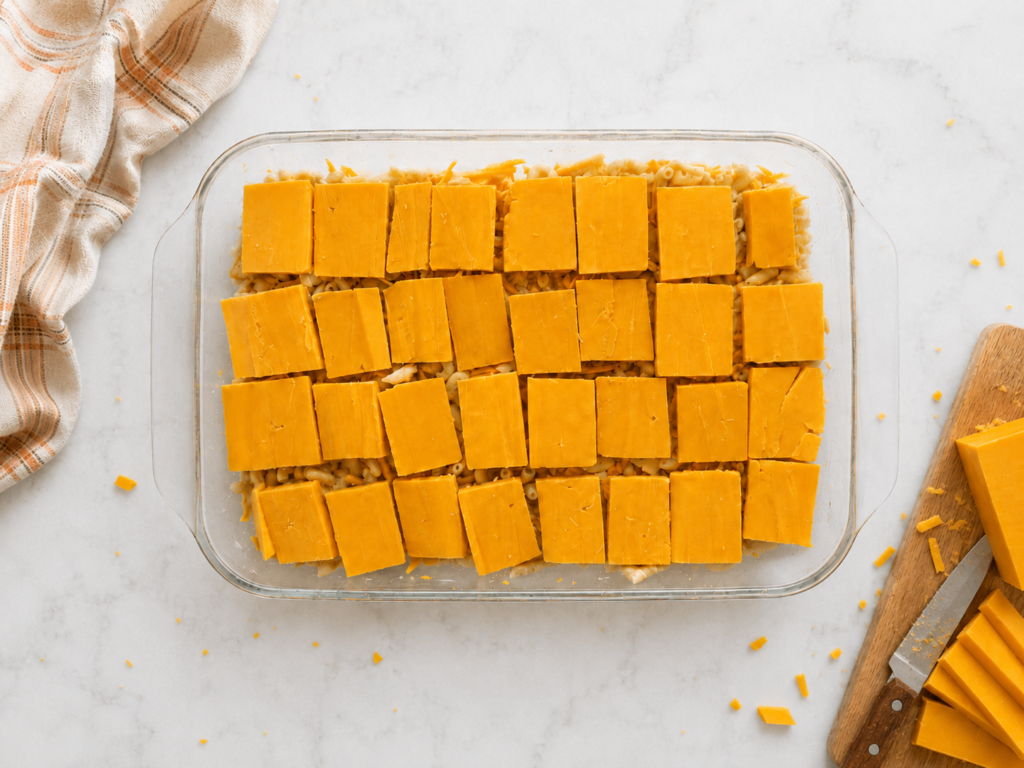
Lay the sliced cheddar across the entire surface. Full coverage is what creates the golden crust.
Tent the dish loosely with foil — you’re laying it on to trap steam and slow the browning, not sealing it. Bake for 1 hour and 15 minutes.
Step 5: Finish uncovered and rest (25 minutes)
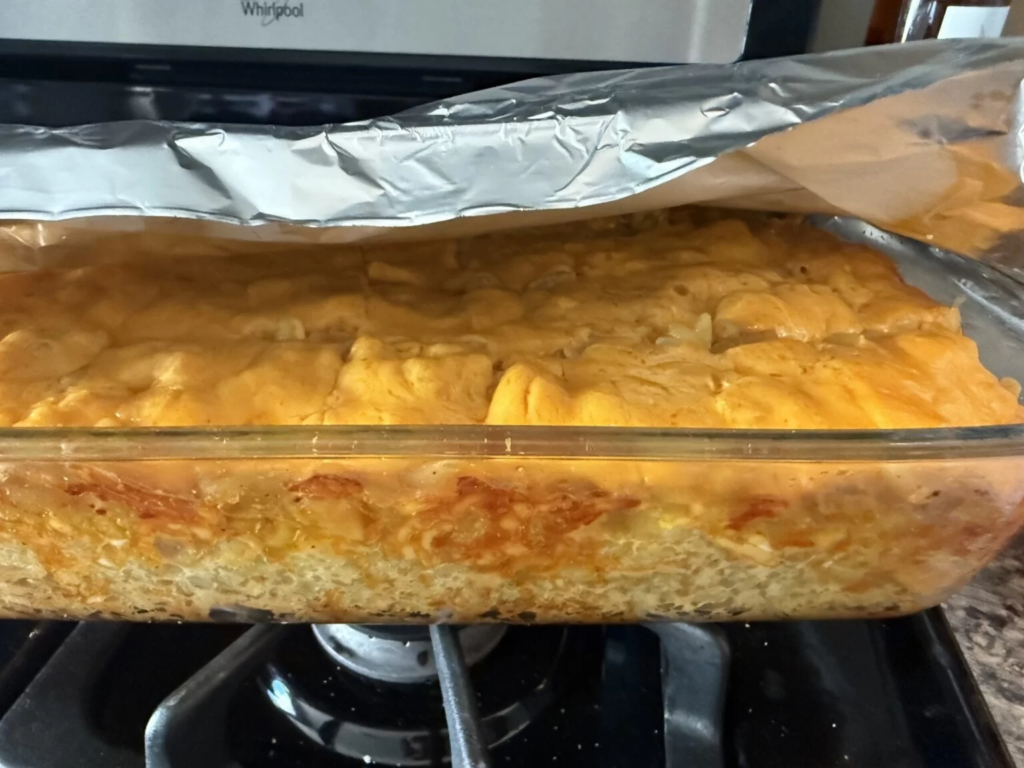
Pull the foil for the last 10 to 15 minutes so the top can go golden and slightly crisp.
Then let it rest 10 to 15 minutes before serving. This is the step people skip and regret. The casserole sets, the remaining milk absorbs, and you get the sliceable texture the recipe is built around. Cutting into it straight from the oven gives you a looser, wetter dish.
Tips for The Best Baked Mac and Cheese
Use whole milk. 2% works, but whole milk delivers the richness this needs without reaching for cream.
Don’t skip the saltines. It seems old-fashioned because it is. They thicken the casserole as it bakes and create the drier, cohesive texture that separates this from a creamy version.
Watch the milk level. Halfway up the noodles is the target. Err low rather than high.
Shred your own cheese. Pre-shredded is coated to prevent clumping in the bag, and that coating works against a smooth melt.
Let it rest. Ten to fifteen minutes is not optional if you want clean squares.
Go easy on the salt. Saltines and sharp cheddar both bring plenty. Start at ½ teaspoon and taste.
Equipment You’ll Need
Nothing specialized.
A deep 9×13 baking dish does the real work, and a box grater makes shredding from a block fast enough that you’ll stop buying pre-shredded.
For large batch portions and outings, I frequently use these disposable foil pans that are easy to reuse or leave with family for leftovers.
You’ll also want aluminum foil for the covered portion of the bake.
Make It Your Own
This recipe takes additions well as long as you don’t touch the milk ratio.
Change the cheddar blend. Two cups sharp plus one cup mild softens the edge if you’re serving kids.
Add a second cheese. A cup of gruyère or smoked gouda mixed through adds depth without changing the method. Keep the top layer straight cheddar — it browns most reliably.
Add crunch on top. A handful of extra crushed saltines over the cheese before baking gives you more texture on the crust.
Add heat. A pinch of cayenne or a teaspoon of dry mustard stirred in with the salt and pepper sharpens the cheddar without reading as spicy.
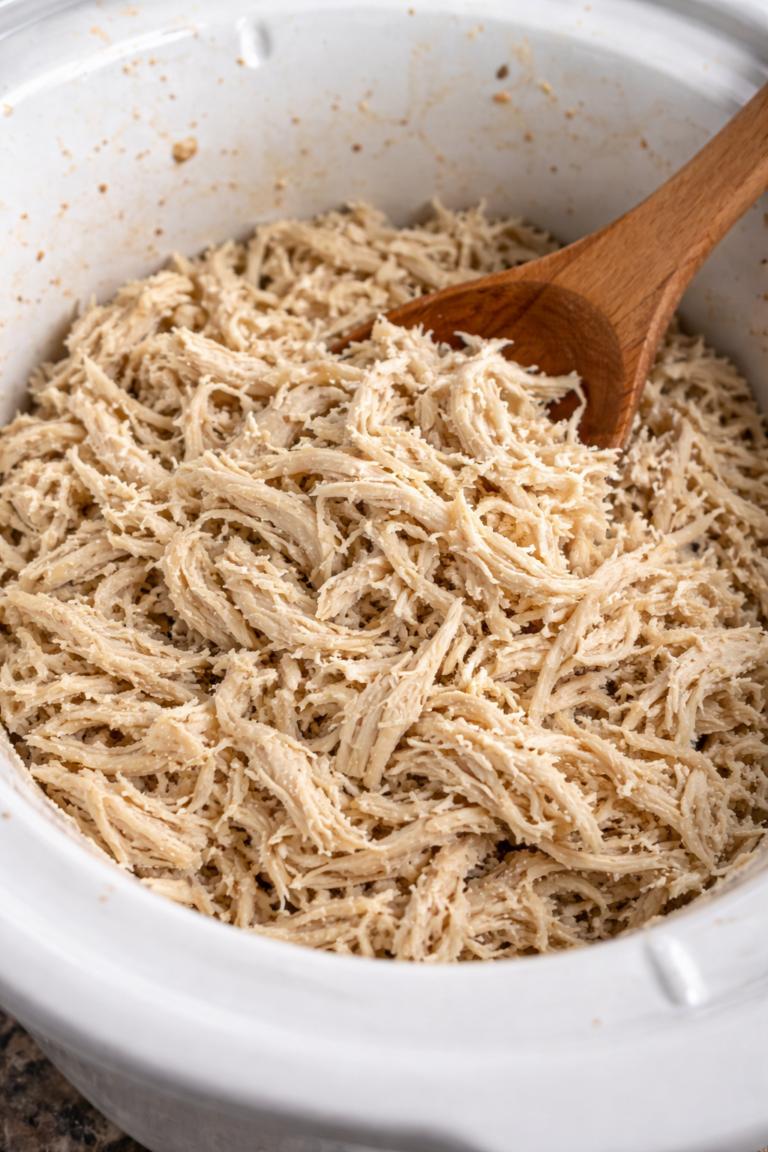
Make it a main. Fold in crockpot shredded chicken or crumbled bacon before it goes in the dish.
What To Serve With Baked Mac and Cheese
This is rich and salty, so it wants sweetness, acid, and something green nearby.
The sweet counterpoint. Baked candied yams are the pairing this dish was raised alongside, and the glaze against the salty cheddar is the reason both pans empty first.
Something sharp and green. Garlic green beans cut through the richness better than any other side on the table.
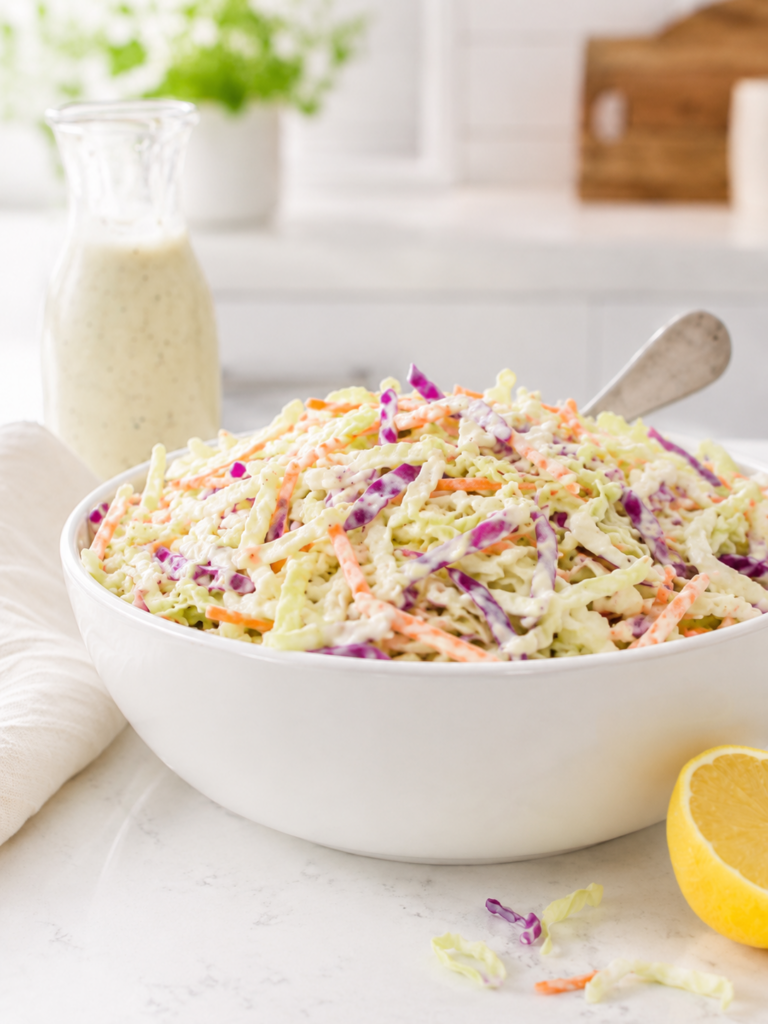
Something bright and tart. Cranberry celebration salad or a simple easy coleslaw resets the palate between bites.
Another comfort side. Slow cooker cheesy grits if you’re building a Southern-leaning spread.
For dessert. Mini pumpkin bread loaves travel well and can be made days ahead.
If you want a lighter, higher-protein take on the same flavors on a weeknight, my Panera broccoli cheddar mac and cheese copycat covers that.
Tips for Perfect Easy Baked Mac and Cheese
Use whole milk. You can use 2% if that’s what you have, but whole milk gives you the richness this dish needs without requiring cream.
Don’t skip the saltines. I know it seems old-fashioned (it is), but they’re doing important structural work here. They thicken the casserole as it bakes and give you that drier, more cohesive texture.
Watch the milk level. Halfway up the noodles is the sweet spot. Too much and it’ll be soupy. Too little and it’ll be dry. When in doubt, err on the side of less—you can always add a splash more before baking.
Let it rest. I know it’s tempting to dig in right away, but those 10–15 minutes of resting time let everything come together. The texture will be way better.
Go easy on the salt. Saltines and cheddar both bring salt to the party, so start with ½ teaspoon and taste before adding more.
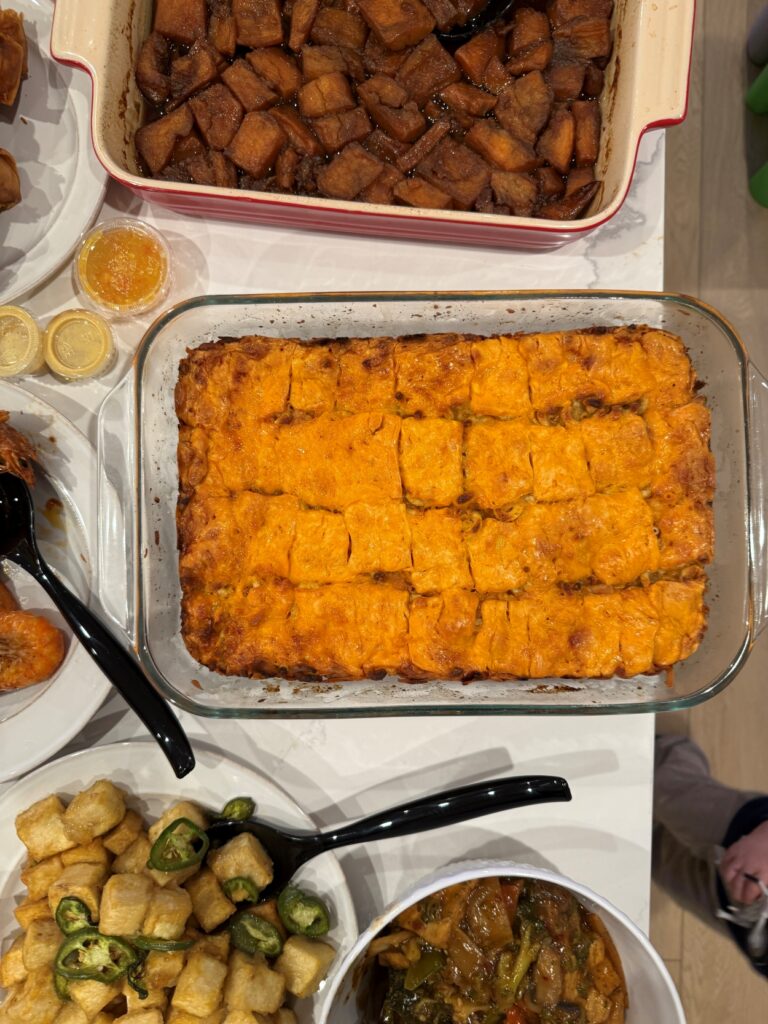
Looking for another easy, old-school side that always gets requests? Try my super easy candied yams recipe with canned sweet potatoes →
Frequently Asked Questions
Can you make baked mac and cheese without a roux?
Yes. This recipe does it with crushed saltine crackers, which absorb moisture and thicken the casserole as it bakes. You get structure without making a flour-and-butter base or a separate cheese sauce.
Can you make baked mac and cheese without eggs?
Yes. Eggs are a thickener, not a requirement — they set the casserole as it bakes. This recipe gets that structure from crushed saltines absorbing the milk instead, so it holds together and slices cleanly with no eggs at all. That also makes it workable if you’re cooking around an egg allergy.
Is this Southern baked mac and cheese?
Not quite. Southern baked mac and cheese is typically an egg-and-evaporated-milk custard, sometimes with Velveeta. This is the older layered style — macaroni, sharp cheddar, and milk poured over, baked until the milk absorbs. If you’re looking for the Southern texture without the eggs, this is the closest you’ll get.
Can I use Velveeta in this recipe?
You can, but it changes what the dish is. Velveeta melts into a smooth sauce, which pushes this toward creamy and away from the firm, sliceable texture the saltines are creating. If you want to try it, substitute no more than a cup of the shredded cheddar and keep the sliced cheddar on top so you still get the crust.
What can I use instead of saltine crackers?
Buttery round crackers are the closest substitute, though they add fat and less salt, so season carefully. Panko or plain breadcrumbs will thicken it but won’t bring the same flavor. The saltines are doing real work here, so this isn’t the ingredient to skip entirely.
Do I have to boil the pasta first?
Yes. This recipe is built on al dente pasta that finishes absorbing milk in the oven. Starting with dry pasta changes the liquid ratio completely and won’t work as written.
Why is my baked mac and cheese soupy?
Too much milk. It should rise about halfway up the noodles, not cover them. The other common cause is cutting into it straight out of the oven — the casserole needs 10 to 15 minutes to set.
Why is my baked mac and cheese dry?
Not enough milk, or the pasta was overcooked before it went in. Al dente pasta absorbs milk in the oven; fully cooked pasta can’t, so the liquid has nowhere to go and bakes off instead.
Can I use pre-shredded cheese?
You can, but it won’t melt as smoothly. Pre-shredded cheese is coated with starch to keep it from clumping in the bag, and that coating interferes with the melt. Shredding from a block takes a few minutes and makes a visible difference.
Can I make it ahead of time?
Assemble it up to a day ahead, cover, and refrigerate without baking. Add 10 to 15 minutes to the covered bake time since it’s going in cold. Fully baked leftovers reheat well, covered, at 350°F.
Can I double this recipe?
Yes, in two 9×13 pans rather than one deep dish. Surface area is what gives you the golden top, and a deeper pan bakes unevenly.
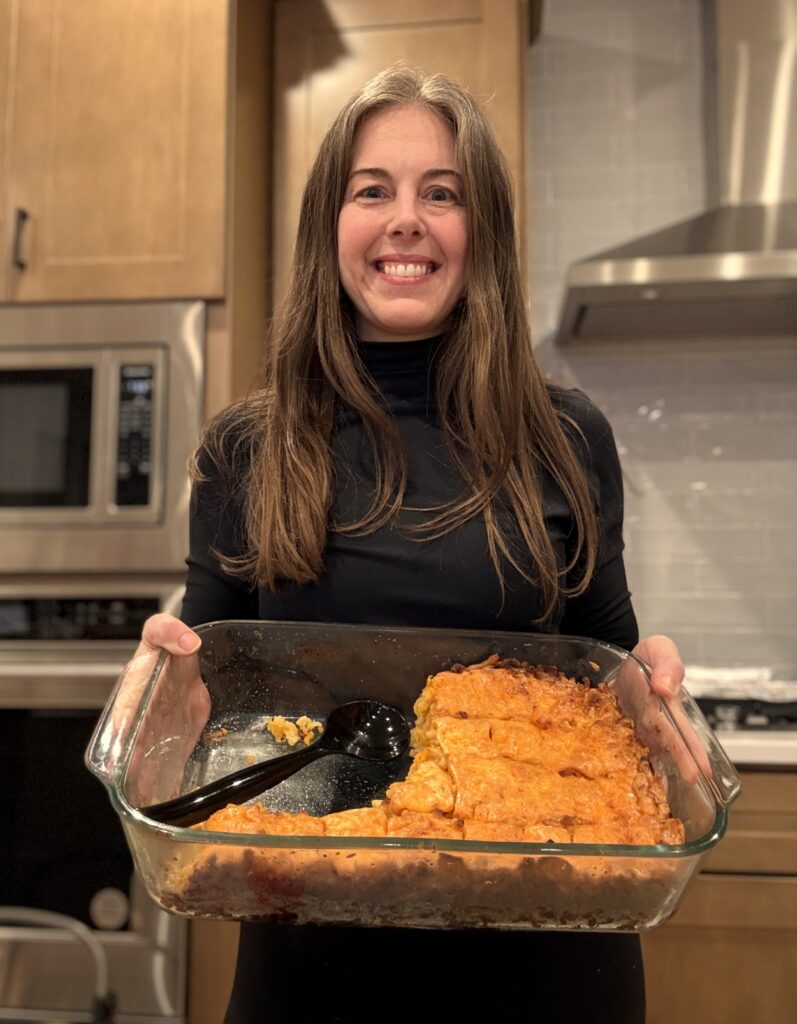
This Is What Good Baked Mac and Cheese Should Be
I’ll be honest—I used to feel a little self-conscious about this recipe.
When I’d see elaborate mac and cheese versions with five kinds of cheese and truffle oil and pancetta, I’d think, “Is it too simple? Too plain?”
But here’s the thing: not every recipe needs to be the most extravagant version of itself.
Sometimes the best recipe is the one that does exactly what it’s supposed to do, no more and no less.
It’s the dish people get up for seconds of. The one they ask to take home. The one cousins talk about months later because it just works.
And that’s the point. Big family meals—holidays, celebrations, or just a packed Sunday dinner—aren’t a competition for the most over-the-top dish.
They’re about putting food on the table that complements each other, feeds everyone well, and creates something greater than the sum of its parts.
This mac and cheese knows that. And now you do too.
And yes — it’s the one we serve every holiday, year after year.
PrintEasy Baked Mac and Cheese
An easy baked mac and cheese with no roux and no eggs. Crushed saltines thicken it as it bakes, so it comes out firm, sliceable, and topped with a golden cheddar crust. Perfect for holidays and family dinners.
Ingredients
- 1 lb elbow macaroni
- 2 sleeves saltine crackers, crushed (about 3 cups)
- 3 cups shredded sharp cheddar
- 16 oz sharp cheddar block, sliced (for topping)
- 4+ cups whole milk
- 1/4 stick of butter
- ½ tsp salt
- ½ tsp black pepper
- Butter or cooking spray, for the pan
Instructions
- Prep the dish: Preheat to 350°F. Grease a 9×13 baking dish.
- Cook the pasta: Cook macaroni to al dente and drain. Do not rinse. Melt 1/4 stick of butter into the hot pasta.
- Mix in the saltines: Toss drained pasta with crushed saltines until evenly distributed.
- Add the cheese: Stir in shredded cheddar, salt, and pepper. Spread evenly in the dish.
- Pour the milk: Pour milk around the edges until it rises halfway up the noodles.
- Top with cheese: Cover the surface with sliced sharp cheddar.
- Bake covered: Tent loosely with foil and bake 1 hour 15 minutes.
- Finish uncovered: Remove foil for the last 10–15 minutes until golden.
- Rest: Let sit 10–15 minutes before serving.
Notes
- Whole milk gives the best texture. 2% works but is less rich.
- Don’t overfill with milk. Halfway up the noodles, not covering them.
- No roux, no eggs on purpose. The saltines absorb the milk and set the casserole, so it bakes up firm and sliceable rather than creamy.
- Rest before cutting. 10–15 minutes lets the casserole set.
- Make ahead: Assemble a day early, refrigerate unbaked, add 10–15 minutes to the covered bake.

Get the Weekly Wellth Newsletter
Stay up to date & receive the latest posts in your inbox.