



What Is a Butter Keeper? How to Keep Butter Soft on the Counter
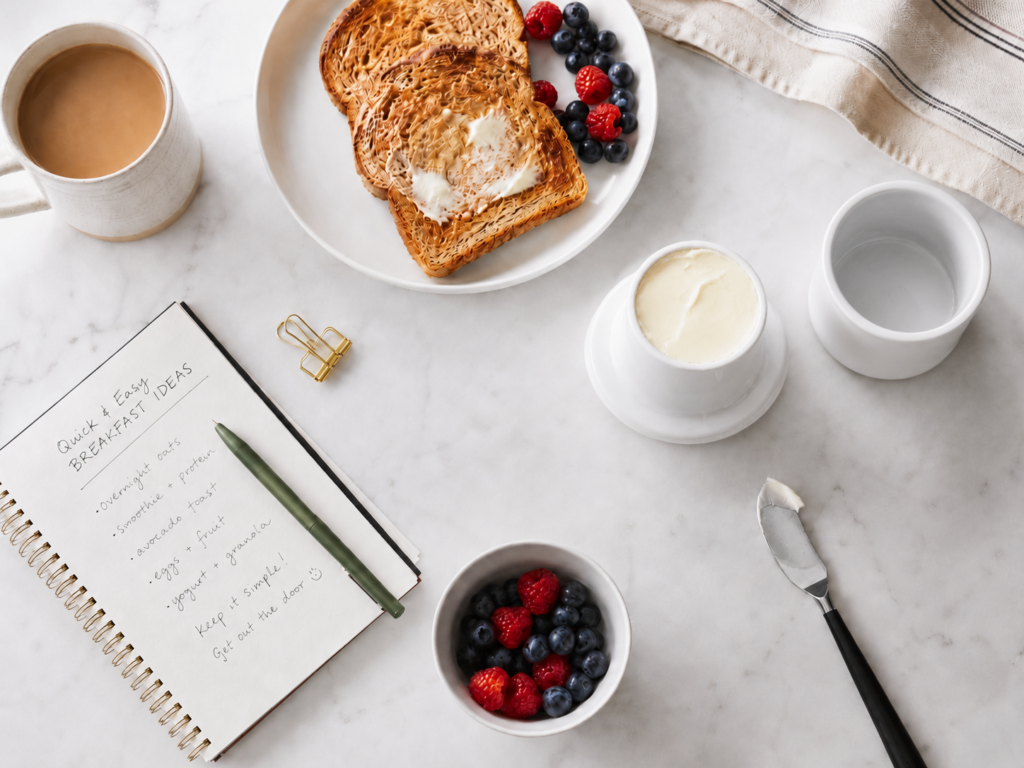
A butter keeper is a small ceramic container that holds salted stick butter on the counter — soft, spreadable, and sealed against air by a thin layer of water.
Also called a butter crock, butter bell, or French butter dish, it’s designed to do one job: keep butter at room temperature without it going bad.
My mom bought one, and my first question was: wait, you can keep butter out?
My second question was the real one. I buy a tub of spreadable butter for toast and a box of sticks for baking. Sticks are cheaper, simpler, and more versatile. So why am I buying both?
The answer: because cold stick butter doesn’t spread, and I’d never set up a system to fix that.
A butter keeper is that system. It holds the stick of butter you’re actively using soft and ready on the counter while the rest stays cold in the fridge. It’s not a wellness object. It’s a grocery edit.
What is a butter keeper?
A butter keeper is a countertop container designed to hold a small amount of butter at room temperature without it going bad. You’ll also see them called butter crocks, butter bells, or French butter dishes — mostly the same thing.
The most common style is a French butter keeper, which uses a water seal.
You pack softened butter into a bell-shaped lid, add cool water to the base, then turn the lid upside down into the base. The butter sits suspended above the water, and the water acts as an airtight seal — no air, no oxidation, no rancidity.
That’s the part most people miss when they hear “butter keeper” and picture a covered dish.
A butter dish with a lid covers butter. A butter keeper seals it. Different mechanism, different result.
How does a butter keeper work?
Two things are doing the work: room temperature and water.
Room temperature keeps the butter soft enough to spread. Water blocks air from reaching the butter, which is what would normally turn it rancid sitting out.
That combination is why butter in a French butter crock stays good for a couple of weeks, while butter in an open dish on the counter can turn within days.
The basic setup:
- Soften a stick of salted butter
- Pack it firmly into the bell or lid — no air pockets
- Add cool water to the base, up to the fill line
- Invert the lid into the base
- Change the water every two to three days
The water is doing real work. Skip it and you’ve just got a butter dish with extra steps.
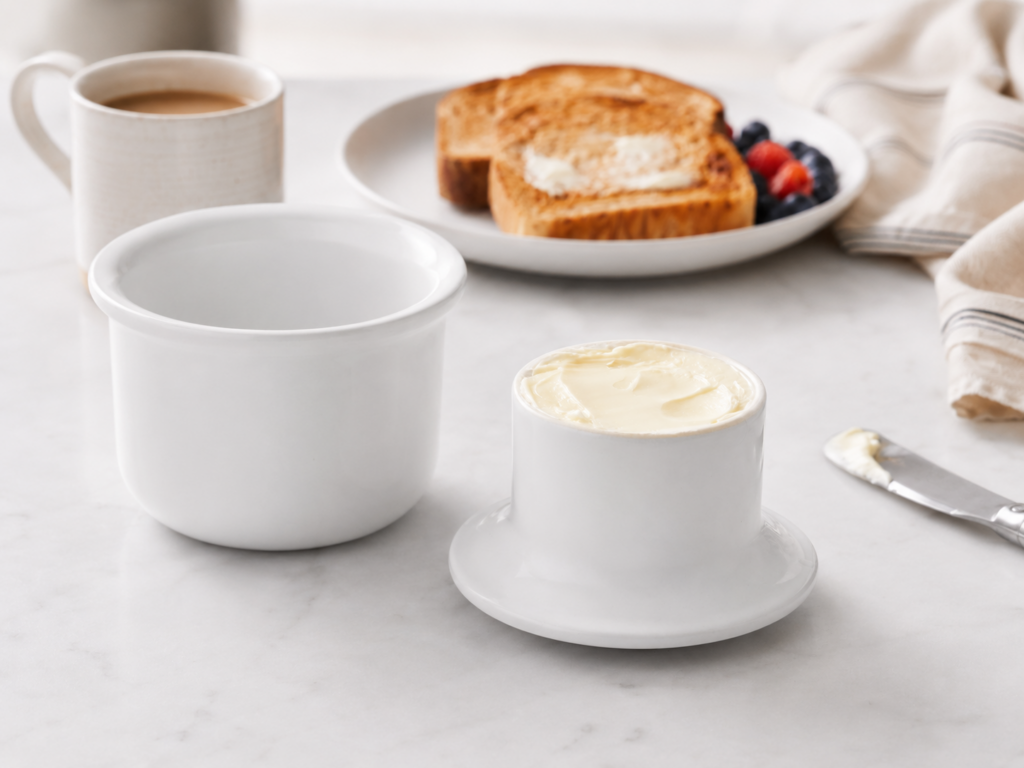
Can you actually leave butter out?
Yes — with conditions.
The USDA position is that salted butter can sit at room temperature for one to two days. U.S. Dairy is more generous for salted butter in a covered crock, especially in a cool kitchen.
The reason: salt and the water seal both inhibit bacterial growth, and butter’s high fat content makes it less perishable than milk or cream.
The conditions that actually matter:
- Use salted butter. Unsalted spoils faster. Skip it for counter storage.
- Keep the kitchen cool. Above 70°F, butter belongs in the fridge. A hot kitchen in August is not a butter keeper kitchen.
- Don’t store everything you own. A butter keeper is for the butter you’re using now. The rest stays cold.
- Change the water. Every two to three days. Non-negotiable.
What does not belong in a butter keeper: unsalted butter, whipped butter, tub spreadable butter, raw butter, homemade butter, margarine, or any blend that lists oil as an ingredient. Those need refrigeration.
Butter keeper vs butter dish: what’s actually different?
A regular butter dish — including most ceramic dishes with lids — just covers butter. Air still gets in. It works fine for short-term fridge storage or covered countertop storage in a cool kitchen, but it doesn’t extend butter life.
A French butter keeper or butter bell uses water to create a true seal. Butter lasts longer, stays fresher, and doesn’t pick up fridge smells, because it’s not in the fridge.
If you want soft, spreadable butter on the counter that lasts more than a few days, you want a butter keeper, not a butter dish with a lid.
Stick butter vs tub butter: why this matters
This is the part that made me care.
Stick butter is usually two ingredients: cream and salt, or just cream if unsalted. Tub spreadable butter is engineered to stay soft in the fridge, which means it’s typically blended with canola oil, olive oil, water, or other ingredients.
Both are fine. Neither is morally superior. But they’re not the same product.
If you bake, you already buy sticks. If you also buy tub butter for spreading, you’re buying the same ingredient twice — once in its original form, once engineered for convenience.
A butter keeper closes that loop. One butter, one purchase, two uses.
That’s the system shift. Not “butter is healthy now.” Just: fewer duplicates in the cart.
How to use a butter keeper
The process is the same across most French-style butter keepers. Check your product’s instructions, but the standard setup:
- Soften your salted stick butter. Leave it on the counter for an hour, or microwave on low for 5–10 seconds.
- Pack it into the bell. Press firmly. Air pockets cause butter to fall out into the water.
- Fill the base with cool water. Use the fill line if your keeper has one. If not, about a third full.
- Invert the bell into the base. The butter sits above the water, sealed.
- Leave it on the counter. Out of direct sun, away from the stove.
- Change the water every two to three days. Pour out, rinse the base, refill.
- Wash the whole thing weekly. Or when you finish a stick and start fresh.
Best butter keepers to consider
The right pick depends on capacity, how much it’ll be on display, and whether you want something pretty or just functional.
Best overall:
The easiest entry point. Ceramic, neutral, affordable, water-seal design. If you’re testing whether the butter keeper system actually works for your kitchen, start here before you spend more.
Best classic butter bell:
The recognizable Butter Bell — the brand most people picture when they hear “butter bell.” Traditional water-seal design, comes in a range of colors and patterns. The right pick if you specifically searched for “butter bell” expecting that style.
Best pretty countertop pick:
If the butter keeper is going to live on your counter every day, it might as well look intentional. The Williams Sonoma stoneware keeper is more polished than the budget options and reads as a kitchen piece, not a utility item.
Best colorful pick:
Standard water-seal setup, but the draw is the color range — the same bold Le Creuset glaze you’d recognize from their Dutch ovens. Worth it if you already lean into Le Creuset or want the butter keeper to be a counter accent, not a neutral.
Best splurge:
The buy-once, gift-worthy option. Higher-end French ceramic, beautifully made, and the kind of thing that lasts. Makes a strong wedding or housewarming gift if you don’t want to spend that much on yourself.
Best large-capacity pick:
Most butter keepers hold about one stick. The Jersinwei holds eight ounces — two sticks — which is the right call if your household goes through butter quickly. Built-in water line makes the setup less fussy if you’re new to the water-seal method.
Best decorative pick:
Hand-painted, vintage-inspired, dishwasher and microwave safe. If you want the butter crock to feel like a piece of countertop pottery rather than a kitchen utility, this is the one.
Is a butter keeper worth it?
If you use butter as a spread regularly and you’re tired of cold sticks tearing your toast, yes.
If you already buy both spreadable tub butter and sticks, definitely — a $25 ceramic keeper pays for itself in a couple of months of skipped tub butter.
It’s not worth it if you barely use butter, only bake with unsalted, or know you won’t change the water. The maintenance is light, but it’s not zero.
The appeal isn’t that it’s a wellness upgrade. It’s that it’s a small infrastructure fix for a recurring annoyance.
One less duplicate item in the grocery cart. One less hard stick of butter on a Sunday morning. Boring, useful, done.
FAQs
What kind of butter goes in a butter keeper?
Salted stick butter. The salt and water seal together keep it safe at room temperature. Skip unsalted, whipped, tub spreadable, raw, or homemade butter — those need refrigeration.
Can you put tub butter in a butter keeper?
No. Tub butter is formulated with oils and water to stay soft in the fridge and isn’t shelf-stable at room temperature. Keep it refrigerated.
How long does butter last in a butter keeper?
About two weeks if you’re using salted butter, changing the water every two to three days, and keeping the kitchen below 70°F. Faster turnover is better.
How often should you change the water?
Every two to three days. Pour out the old water, rinse the base, refill with cool water.
Does a butter keeper need to go in the fridge at night?
No. The whole point is countertop storage. If your kitchen gets hot or you’ll be away for a while, refrigerate it.
Is a butter keeper the same as a butter dish with a lid?
No. A butter dish covers butter. A French butter keeper uses water to seal it. The water seal is what extends butter life and keeps it fresh at room temperature.
Can a butter keeper replace spreadable tub butter?
Yes — that’s the practical use case. If the only reason you buy tub butter is that stick butter is too hard to spread, a butter keeper solves that. For the ingredient breakdown, see [Stick Butter vs Tub Butter](INTERNAL LINK: stick-butter-vs-tub-butter).
Tell me if you use and love the butter keeper—and which one is your favorite?
This post contains affiliate links, which means I earn a small commission if you shop through them at no extra cost to you.





Get the Weekly Wellth Newsletter
Stay up to date & receive the latest posts in your inbox.