



Fall Routine Reset: 7 Strategies to Prevent Winter Blues
A fall routine reset to prevent winter blues comes down to this. You can either scramble to survive winter when you’re already feeling like crap, or you can use fall’s energy to set up systems that actually work.
Using this season as your reset lets you enjoy the fun now and have rhythms in place to carry you through the long winter ahead.
I’ve seen this work firsthand here in Ohio. Fall is my favorite stretch of the year, and October (my birthday month!) gives me extra motivation to set a foundation for the new year.
Nailing down your routines during this time means you can fully enjoy the fall activities while building momentum so your habits are locked in once the excitement fades.
September gives you manageable weather and back-to-school momentum. October lets you practice and adjust. By November, when everyone else starts feeling the seasonal shift, your systems are already running.
This puts you three months ahead of the January resolution crowd who are trying to build new habits in the dead of winter.

Why Fall Routine Reset Actually Works
Most people wait until they feel terrible to try to feel better. That’s like waiting until you’re broke to start budgeting. It doesn’t work.
Fall offers a natural transition point. Weather is still good, motivation is high, and routines are kicking back into gear. You’ve got energy to experiment and adjust before things get hard.
Start your reset in September when you still have energy and manageable weather. Use October to practice and refine your systems. Maintain through the holidays, so that by the time February hits and everyone else is struggling, you’re not starting over.
You’re building on momentum you created months ago.
The framework works like this. Start in September, practice through October, sustain through winter. By spring, these aren’t just strategies — they’re systems that run automatically.
These are the seven strategies you can build into your fall routine so they’re automatic by January.
Your Fall Routine Reset: 7 Habits to Prevent Winter Blues
Strategy 1: Master Your Sleep Schedule
Your circadian rhythm gets wrecked when daylight disappears. Fighting this is pointless. Working with it is smart.
Pick a consistent weekday wake time and stick to it, no exceptions.
But here’s the game-changer: Daylight Saving Time. If you usually roll out of bed at 6:30 a.m. but dream of being a 5:30 a.m. person, start setting your alarm for 5:30 now. When we “fall back” in early November, you’ll still be waking up at 5:30 a.m. by the clock, but to your body it will feel like 6:30 a.m.
You automatically get that extra hour, and suddenly waking up feels like sleeping in. This is the best cheat code I know for becoming a morning person.
Last fall, I let my wake times slide based on how rough the night was. (Let’s be honest, a morning routine with a toddler requires a lot of built in flexibility if you don’t want to lose your mind!). And while it worked, it interrupted my day-tot-day rhythms, often killing my morning productivity. So, this fall I’m holding the line, using morning sunlight to anchor this before it disappears.
Getting up at the same time every day, without mental negotiation, gives structure to everything else. Dark outside doesn’t matter when your internal clock is locked in.
Strategy 2: Lock in Your Movement Plan
Movement is one of the most effective mood stabilizers, but it’s the first thing you’ll skip when it’s cold and dark. Use fall to build a system that works even when motivation tanks.
Your movement strategy:
- Schedule 3-4 challenging workouts per week, same days and times
- Plan 2 active rest days (yoga, stretching, walks)
- Take 1-2 ten-minute walks outside daily, especially mornings
- Never go more than two days without moving
Make it stupidly easy: Buy comfortable sweats you actually want to wear. Keep cold-weather gear by the door. Lay out workout clothes the night before.
When movement requires zero decisions, you’ll do it.
I’m sticking with Barre3 classes, aiming for the same workouts, same times, same days. Consistency beats intensity when you’re building something that needs to last through February.
Strategy 3: Rethink Comfort Food and Use Fall to Reset How You Eat
Fighting comfort food cravings in winter is a losing battle. Stop fighting. Start planning.
Fall is the best time to start eating in a way that supports you now and later. With more energy, a bit of extra time around the holidays, and cooler weather that invites cooking, this is the season to reset your food habits without the pressure of a January overhaul.
Use this season to improve your cooking skills, experiment with new meals, and prep ahead — not just to save time, but to feel better all winter.
Your cold-weather food strategy:
- Cook more at home, even just 2–3 more meals per week. This is a great time to break the fast food habit and make home-cooked meals easier to reach for.
- Start applying an 80/20 approach to your food choices: mostly nutrient-dense meals, with room for joy and flexibility. When this becomes your baseline, there’s no need for “clean eating” resolutions later.
- Build a go-to rotation of warm, satisfying meals. Think soups (even quality canned ones), crockpot dinners, chilis, and hearty breakfasts like oatmeal or baked oats.
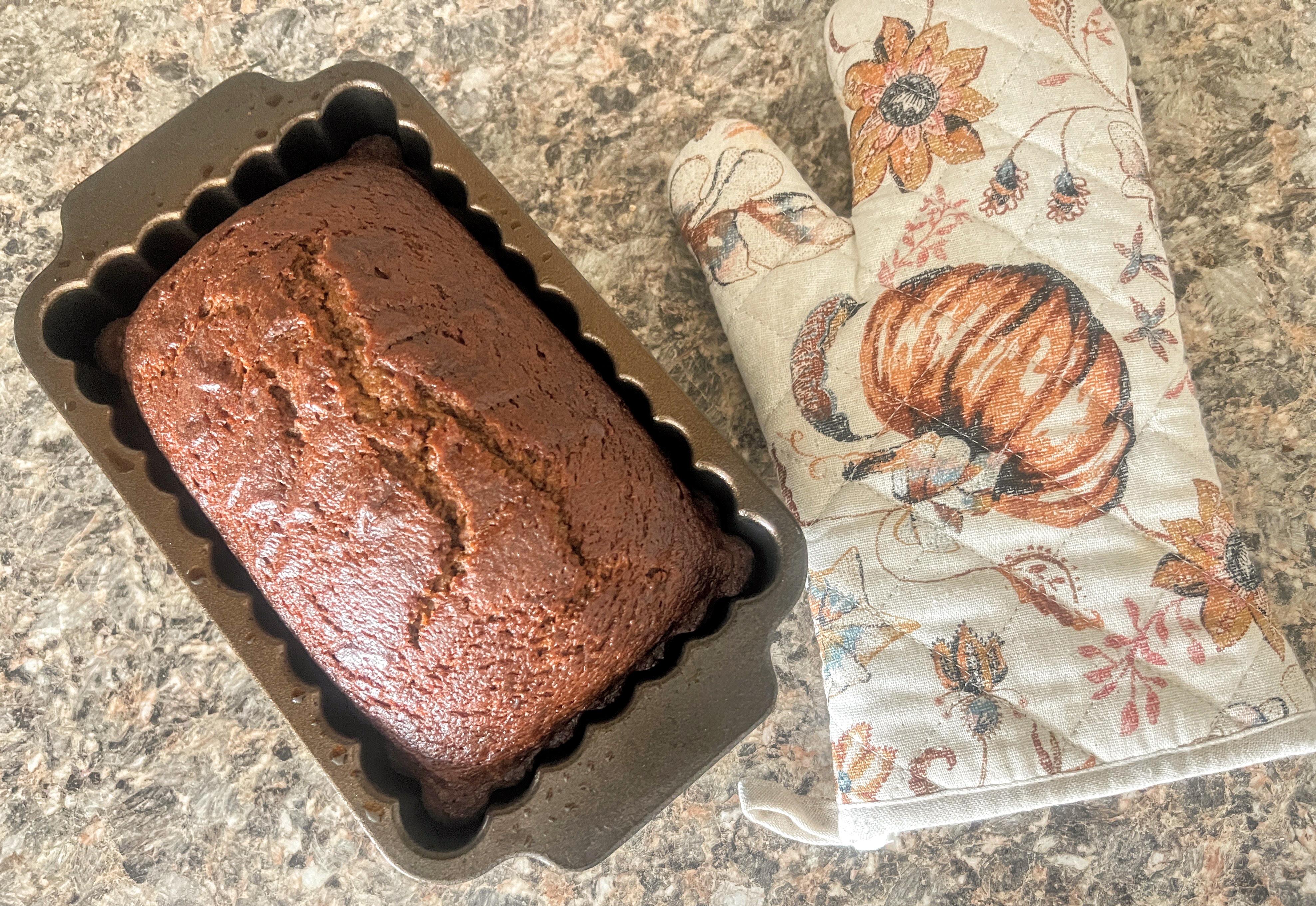
- Choose one or two seasonal treats to bake each month. Pick something you’ll actually look forward to sharing with friends or family. I love making pumpkin bread when the weather shifts.
This isn’t about restriction. It’s about preparation so you’re not defaulting to takeout because it’s dark at 5 PM and you’re tired.. With solid habits in place now, you won’t need to undo anything come January. You’ll already be living like someone who eats well and feels good.
Strategy 4: Create Your Darkness Management Plan
You’re going to wake up in darkness and come home in darkness. Fighting this reality drains energy you don’t have. Working with it preserves energy for things that matter.
Your darkness strategy:
- Get a sunrise alarm clock (game-changer for morning energy)
- This is the exact one I use, I’ve had it since 2017 and it creates the best natural sunlight effect!
- Plan to use a SAD light mid-December through February during work hours to combat seasonal depression
- This is the exact one I use, it fits great on a desk so it doesn’t take up work space.
- Schedule specific activities for evening hours so you don’t crash at 7 PM
- Build in 10-minute movement breaks – walks, jumping jacks, pushups, quick jog – for midday energy boosts
That evening piece is crucial. Darkness at 5 PM tricks your brain into thinking the day is over. Don’t fall for it.
Plan regular activities: workouts, meal prep, organizing, hobbies, reading with tea. Make those hours intentional instead of just surviving them.
Strategy 5: Build Your Weekly Morale System
Here’s the truth about joy in winter: fall through holidays is easy. The real challenge is January through March when the fun stops but winter keeps going.
Your morale strategy:
- Schedule one small weekly treat that gets you out (coffee run, library visit, quick store browse)
- Plan one bigger monthly thing (dinner out, activity, mini adventure)
- Book specific bright spots for brutal months: February weekend away, March hobby project, monthly friend dinners
Put deposits down now while you have energy and optimism. When February hits and you want to hibernate forever, you’ll have concrete plans pulling you forward.
Budget for weekly coffee runs and small treats. These aren’t frivolous – they’re maintenance for your mental health. Plan them like you’d plan any other essential expense.


Strategy 6: Set Up Your Weekly Money Check-In
Holiday spending plus higher utility bills equals financial stress, which makes winter blues worse. Fix this before it becomes a problem.
Your financial strategy:
- Do your big audit in September: trim subscriptions, assess spending, set holiday buffer
- Weekly 10-minute money check-ins: what expenses are coming this week?
- Buy gift cards at fall discounts (10-20% off) to use through winter
- Plan low-cost winter comforts: homemade cocoa, library books, cozy movie nights
I do a full financial review every September across personal and business. What’s flowing? What’s leaking? What needs redirecting? This way when holidays hit, I’m sticking to a plan I already tested instead of scrambling.
Consider a no-spend January through March to recoup holiday costs and get ahead on next year’s budget. Use fall to remove financial friction so your energy stays focused on the systems you’re building.
Strategy 7: Create Your Weekly Future Self Planning
Fall’s energy makes it perfect for strategic thinking. Use this momentum instead of waiting for January when everyone else is making resolutions with low energy.
Your planning strategy:
- Weekly 15-minute check-in: what does my future self need from me this week?
- Monthly bigger picture review and goal adjustment
- October deep dive: map out who you want to be by April
Write down your spring goals now while you have energy to visualize them. Plan out January through April while fall motivation is still high. This way you’re not making resolutions with everyone else – you’re already living them.
Use October as your strategic planning month. Review what’s working, adjust what isn’t, and set yourself up for the next six months.
Your Fall Routine Reset Action Plan
The difference between surviving winter and actually thriving comes down to one thing: preparation. Winter blues aren’t inevitable if you build the right systems.
Instead of waiting for seasonal mood dips to hit, tell yourself: “I’m someone who plans ahead and sets myself up to win.”
Pick 1-2 strategies to start this week. Give them space to develop in September, practice them through October, and watch them carry you when days get shorter. By January, you’ll be thanking your September self.
This isn’t about perfection — it’s about building systems strong enough to support you through the hardest months. Start now, and step into winter already ahead of the game.





Get the Weekly Wellth Newsletter
Stay up to date & receive the latest posts in your inbox.