



The Best Foods for Your Skin: 10 to Eat for a Natural Glow
What you eat shows up on your skin.
Not overnight, and not as a replacement for the basics like sunscreen, sleep, and hydration — but as one of the most overlooked levers you have.
The right foods give your skin the raw materials it uses to stay firm, hydrated, and clear from the inside out.
As a health coach, I’d been preaching this for years before I fully leaned into it myself.
When I started building more of these foods into my own regular meals, I noticed a difference within a few weeks: a little more brightness, a little more evenness, skin that looked like it was working with me. No new ten-step routine required.
So let’s get into it — the best foods for your skin, what each one actually does, and easy ways to eat more of them.
How Does Food Affect Your Skin?
Your skin is your largest organ, and it rebuilds itself constantly.
To do that well, it draws on nutrients from your diet: antioxidants that protect skin cells from everyday damage, healthy fats that keep the skin barrier hydrated, and vitamins like A, C, and E that support collagen — the protein responsible for firmness and elasticity.
That’s why diet is such a powerful (and underrated) part of skin health.
Skincare products work on the surface. Food works underneath, giving your skin what it needs to repair, stay supple, and hold onto moisture. The two work best together, not one instead of the other.
The 10 Best Foods For Your Skin
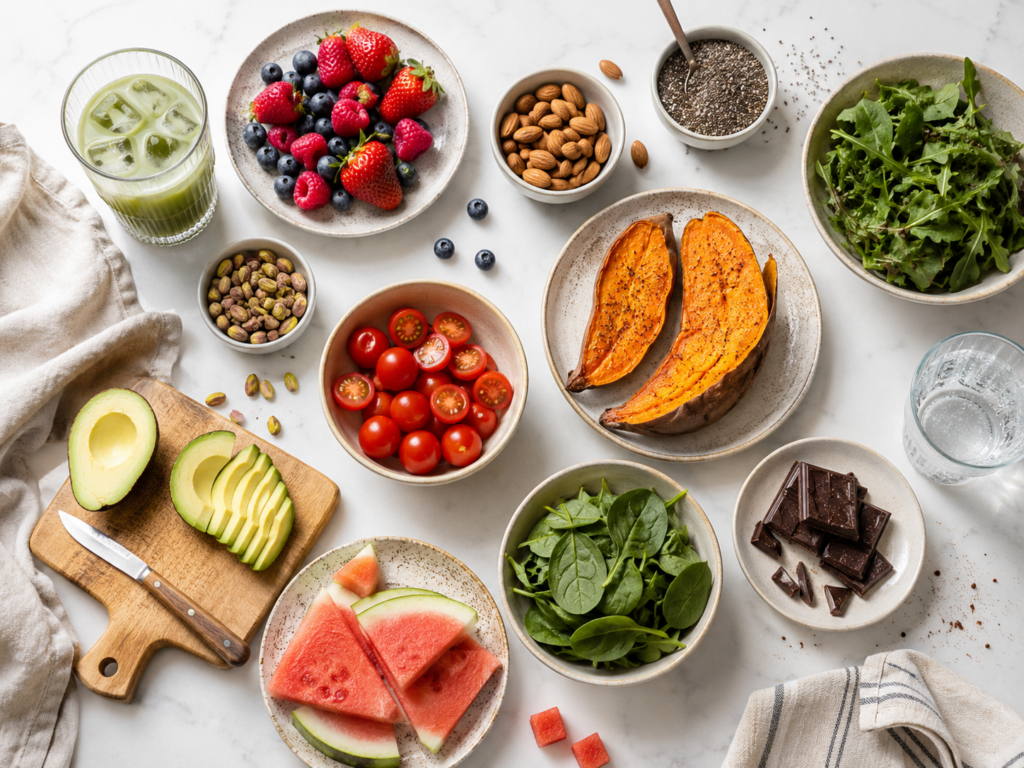
1. Avocados
Avocados are rich in monounsaturated fats, vitamins C and E, and potassium — all of which help keep skin hydrated and support a healthy skin barrier. The vitamin E acts as an antioxidant, while vitamin C plays a role in collagen production.
Easy ways to eat more: Make easy avocado cottage cheese toast or, for something sweeter, dairy-free chocolate avocado cupcakes.
2. Sweet potatoes
Sweet potatoes are an excellent source of beta-carotene, which your body converts to vitamin A. Vitamin A supports skin cell turnover, which is part of what keeps skin looking fresh and even over time.
Probably my favorite on this list. Pair a baked sweet potato with my garlic green beans recipe for a simple, skin-friendly side.
3. Berries
Berries are loaded with antioxidants that help protect skin cells from environmental stressors like pollution and UV exposure. Blueberries and strawberries are especially rich in vitamin C, which supports collagen and helps keep skin firm.
Easy way to eat more: Blend them into a chocolate protein smoothie for a quick, delicious dose.
4. Leafy greens
Leafy greens like spinach, kale, and broccoli are packed with vitamins and minerals that support skin health, including vitamin C for collagen and vitamin A for cell turnover. They’re some of the best foods for skin and hair, since the same nutrients support both.
The easiest, best-tasting way to get them in? Green smoothies. Try one of my three go-to green smoothie recipes.
5. Nuts and seeds
Nuts and seeds deliver essential fatty acids, zinc, and vitamin E — all of which support the skin barrier and help with repair. Almonds in particular are rich in vitamin E, an antioxidant that helps protect skin from oxidative stress.
I love adding pistachios, pecans, and chia seeds to morning yogurt and fruit bowls or stirring them into smoothies.
6. Tomatoes
Tomatoes are rich in lycopene, a powerful antioxidant that helps protect the skin from UV-related damage. Cooked tomatoes (think sauce or roasted) actually make lycopene easier for your body to absorb.
Try them on avocado toast with tomatoes for two skin-loving foods in one.
7. Salmon
Salmon is one of the best sources of omega-3 fatty acids, which help keep the skin hydrated, support the skin barrier, and calm inflammation.
Omega-3s are a big part of why fatty fish shows up on nearly every “best foods for skin” list.
Full honesty: I do not like salmon. It’s one of the best sources of omega-3s out there, and I still can’t quite stomach it.
I’m working on it — so if you have a recipe that finally won you over, send it my way. (If you’re in the same boat, walnuts, chia, and flax are solid plant-based omega-3 backups.)
8. Green tea
Green tea is rich in antioxidants called polyphenols, which have anti-inflammatory properties and may help soothe and protect the skin. It’s an easy, low-effort swap to work into your day.
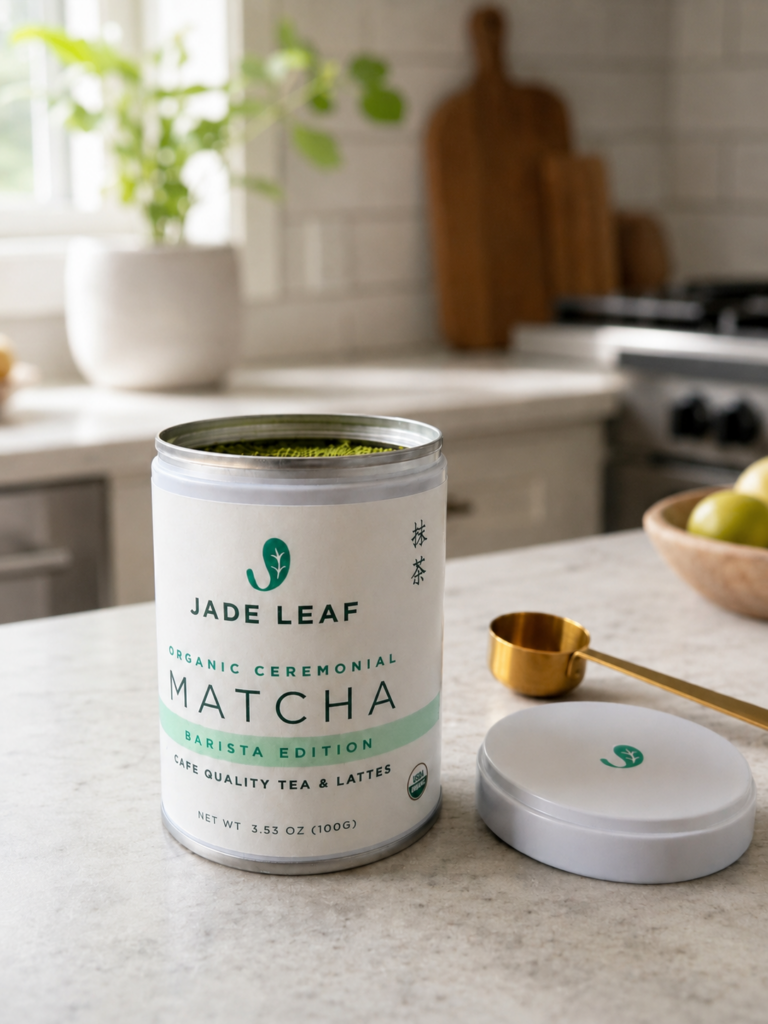
Prefer matcha? Even better — it’s a concentrated, whole-leaf form of green tea, so you’re getting an extra-rich dose of those same antioxidants. Sip it as a matcha latte or try one of my other matcha recipes.
9. Watermelon
Watermelon is delicious and skin-friendly. It’s high in vitamins A and C, and its high water content helps with hydration — one of the simplest things that affects how your skin looks and feels.
Easy way to eat more: Blend it into a hydrating watermelon smoothie or toss it into a fresh watermelon feta salad.
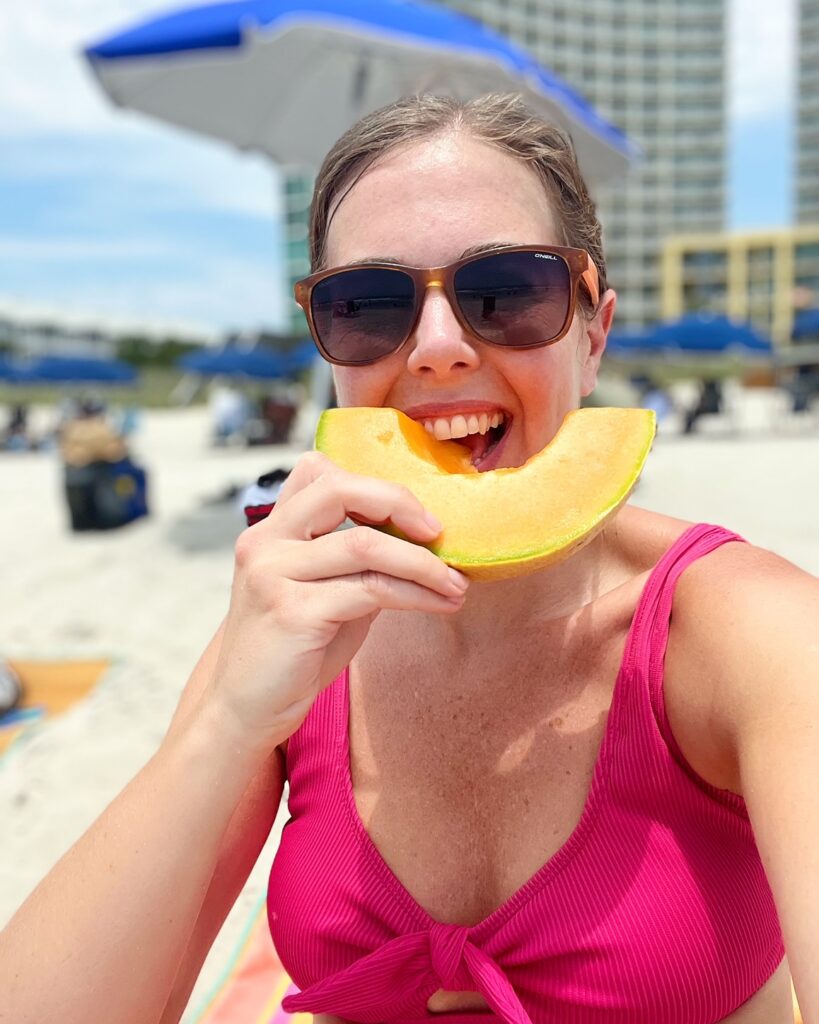
Cantaloupe is a great option here too, with a similar hydrating, vitamin-rich profile.
10. Dark chocolate
Yes, really. Dark chocolate (look for higher cacao percentages) is rich in antioxidants that help protect skin from everyday stressors. Enjoyed in reasonable amounts, it’s a genuinely skin-friendly treat.
Swap the milk chocolate chips and cocoa powder for dark chocolate in this simple black bean brownie dessert.
A Quick Note On Foods That Work Against Your Glow
Balance matters.
Very high amounts of added sugar and heavily processed foods can contribute to inflammation, which shows up on skin over time.
You don’t have to cut anything out to see results — but pairing more of the foods above with a little less of the ultra-processed stuff tends to make the difference more noticeable.
Frequently Asked Questions
What foods are good for the skin?
The best foods for your skin are rich in antioxidants, healthy fats, and vitamins A, C, and E. Standouts include fatty fish like salmon, avocados, berries, leafy greens, nuts and seeds, sweet potatoes, and tomatoes — foods that support collagen, hydration, and protection from everyday damage.
What foods help clear skin?
Antioxidant-rich and anti-inflammatory foods — berries, leafy greens, green tea, and omega-3 sources like salmon and walnuts — support clearer skin by helping reduce inflammation. Cutting back on excess added sugar can help too.
What should I eat to help my skin heal and repair?
Foods high in vitamin C (berries, leafy greens, tomatoes), zinc (nuts, seeds), and protein support the skin’s repair process and collagen production. Healthy fats from avocados and fatty fish help maintain the barrier that keeps skin resilient.
What foods are good for dry skin?
Focus on healthy fats and hydration: avocados, nuts and seeds, salmon, and water-rich foods like watermelon and cucumber all help the skin hold onto moisture.
How long until I see results?
Skin renews gradually, so give it a few weeks of consistency. You likely won’t see an overnight change — but over time, you and the people around you tend to notice more brightness and evenness.
Start With One
You don’t need to overhaul your diet to eat better for your skin.
Pick one food from this list and build it into a meal you already eat this week. Then add another.
Small, repeatable swaps are what add up to visible change — a little more brightness in your photos, a healthier look day to day, and skin that reflects how you’re actually taking care of yourself.
Here’s to glowing and living your best life.





Get the Weekly Wellth Newsletter
Stay up to date & receive the latest posts in your inbox.