



Why an Instant Pot Is Worth Having If You Want to Eat Well With Less Effort
The reason why an Instant Pot is worth having has nothing to do with trends—and everything to do with what actually makes eating well sustainable.
Eating well shouldn’t require endless time, energy, or enthusiasm for cooking.
For most people, the real challenge isn’t learning new recipes — it’s finding ways to get real food on the table consistently, even when life is busy, stressful, or unpredictable.
That’s where certain tools quietly earn their place. Not because they’re trendy or impressive, but because they reduce friction.
The Instant Pot is one of those tools — and that’s exactly why it’s still worth having.
This isn’t a love letter to kitchen gadgets. It’s a practical look at what an Instant Pot actually does well, what it replaces, and why it continues to make sense for real life.
The Kind of Kitchen Tool That Proves Its Value Over Time
Most kitchen appliances try to earn their keep by promising transformation — better cooking, better skills, better meals.
The Instant Pot earns its place differently. It shows up quietly, handles the unglamorous parts of cooking, and keeps doing so long after the novelty wears off.
It doesn’t ask you to cook differently.
It doesn’t ask you to cook more often.
It just makes cooking easier to repeat.
That distinction matters.
This is health as infrastructure. Not another thing to learn. Not another commitment to maintain. Just a tool that makes the default option easier.
Who an Instant Pot Is Best For
An Instant Pot is worth having if you:
- want to eat at home more often
- don’t want cooking to take over your evenings
- prefer tools that work quietly in the background
- value convenience without sacrificing real food
It’s especially helpful for people with limited time, limited energy, or inconsistent schedules — not because it’s fancy, but because it’s forgiving.
Why an Instant Pot Is Still Worth Having Today
There’s an interesting backstory that helps explain why so many people still use their Instant Pots years after buying them.
The company behind the Instant Pot, Instant Brands, struggled financially in part because the product lasted. People bought one and didn’t need to replace it. It worked too well to support constant repurchasing.
You can read more about that context here: (Read more about how the product’s longevity affected repeat sales).
From a business perspective, that’s a problem. From a consumer perspective, it’s rare.
A product that:
- doesn’t rely on constant upgrades
- lasts for years
- continues to be useful through different seasons of life
is exactly the kind of thing you want when your goal is to eat well consistently, not impress anyone with your kitchen.
That’s not a reason to avoid it. It’s a reason to trust it.
From a consumer standpoint, that’s a strong signal. A tool that keeps working, keeps being useful, and doesn’t push upgrades is exactly the kind of thing that supports long-term habits.
What Is an Instant Pot Good For?
At its core, an Instant Pot is a multi-function electric pressure cooker designed to make cooking faster, more hands-off, and more forgiving.
But its real value shows up in a few very specific categories. These are the areas where it consistently saves time, effort, or decision-making.
Here’s where it truly shines.
Speedy, Flavorful One-Pot Meals That Don’t Require Monitoring
The Instant Pot is especially good at meals that benefit from steady, enclosed cooking — the kind that normally require long simmer times or frequent checking.
It works particularly well for:
- soups
- stews
- chili
- curries
- braised-style dishes
Once the lid is locked and the program is set, cooking happens on its own. There’s no stirring, no adjusting heat, and no hovering. This is hands-off cooking in the truest sense.
For busy individuals, this hands-off approach is often the difference between cooking at home and defaulting to takeout.
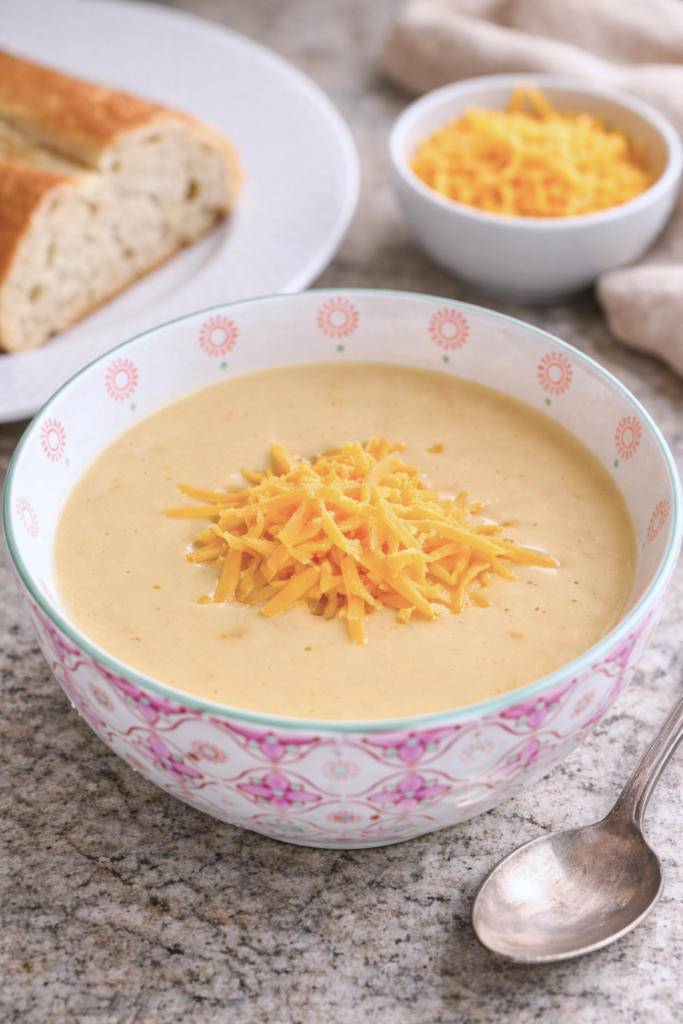
I made the best Zupa’s Wisconsin Cheddar Soup Copycat using the Instant Pot →
Tough Foods That Normally Take a Long Time
Pressure cooking is one of the Instant Pot’s biggest functional advantages. It allows foods that typically take hours to cook to finish in a fraction of the time.
This is especially useful for:
- tougher cuts of meat (chuck roast, pork shoulder, chicken thighs)
- dried beans and legumes
- hearty vegetables used in stews and soups
Speed matters here — but not in a rushed way. The benefit is that foods cook thoroughly and evenly without needing an all-day time commitment.
This alone can change how often eating at home feels realistic.
Batch Cooking That Supports Multiple Meals
One of the most practical ways to use an Instant Pot is to cook components rather than complete meals.
Common examples include:
- shredded chicken
- pulled pork
- shredded beef
These proteins can be reused across bowls, wraps, salads, soups, or quick dinners, reducing how often you need to start from scratch.
This is where the Instant Pot supports consistency: cook once, eat multiple times, without feeling like you’re meal-prepping in an extreme way.
If you want tender chicken fast, this Instant Pot Shredded Chicken is gold for a quick dinner protein or ingredient prep →
Staples That Make Eating at Home Easier
The Instant Pot excels at cooking basic foods that form the foundation of many meals.
If you’re trying to rely less on packaged foods or fast food, having a tool that handles staples reliably matters more than fancy recipes.
It’s particularly reliable for:
- dried beans (without soaking)
- lentils
- rice and other grains
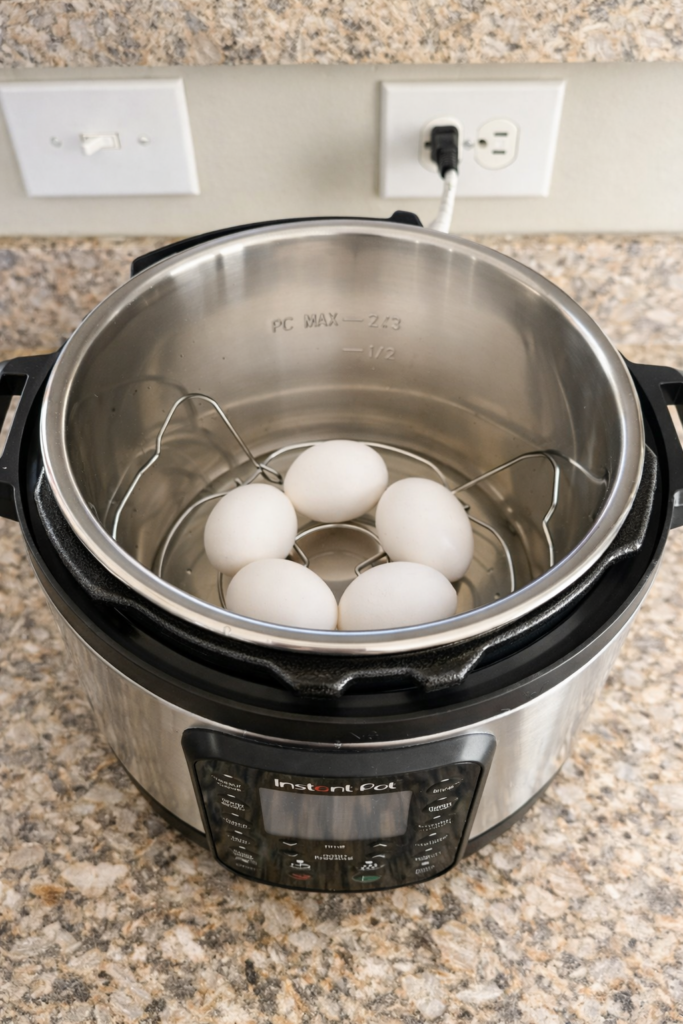
- hard-boiled eggs
These foods are inexpensive, versatile, and easy to build meals around — and the Instant Pot removes the friction that often keeps people from making them regularly.
This recipe using the Instant Pot makes perfect, easy-to-peel hard boiled eggs every time →
Steamed Vegetables Without the Fuss
Vegetables don’t need to be complicated to be good.
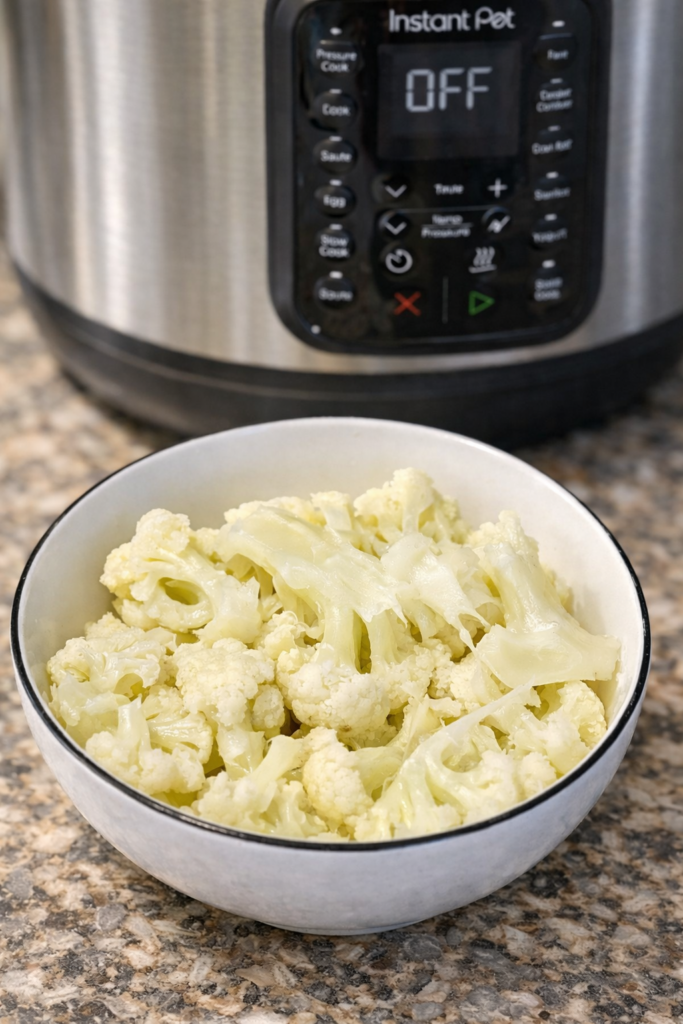
The Instant Pot makes quick work of:
- broccoli
- green beans
- carrots
- cauliflower
- frozen vegetables
There’s no separate steamer basket to wash and no need to watch the stove. This makes it easier to include vegetables even on days when energy is low.
Yogurt and Other Basic Foods
Many Instant Pot models include a yogurt function, which allows you to make simple yogurt at home with minimal hands-on work.
This is useful if you:
- eat yogurt regularly
- want control over ingredients
- prefer repeatable, foundational foods
It’s not the main reason most people buy an Instant Pot, but it fits the same pattern: everyday foods made easier.
What Tools Does an Instant Pot Replace?
Another reason an Instant Pot earns its place is that it consolidates several kitchen tools into one.
For many households, it can replace or significantly reduce the need for:
- a slow cooker
- a rice cooker
- a steamer basket
- a large stock pot
- a traditional pressure cooker
Instead of pulling out multiple appliances for different tasks, one tool handles most of the “foundation” cooking — the unglamorous but necessary work of feeding yourself consistently.
This saves space, reduces cleanup, and simplifies decision-making.
What It Doesn’t Replace
The Instant Pot isn’t meant to do everything.
It doesn’t replace:
- baking
- oven roasting
- sautéing when texture and browning matter
And it doesn’t need to. Its value comes from handling the parts of cooking that often feel like obstacles — not from replacing every method entirely.
What I’d Actually Buy
If you’re starting from scratch, a 6-quart Instant Pot is what I’d recommend.
—either the Duo or one of the models with extra presets like the 9-in-1.
I have the 9-in-1, but honestly, I use the same three functions regardless of how many buttons it has: pressure cook, sauté, and steam.
The 6-quart size is the sweet spot. It handles everything from cooking for one to batch cooking for the week without taking over your counter.
Skip the fancy models with WiFi or air fryer lids. You don’t need them.
Start simple:
- one reliable unit
- use it for the foods you already eat
- add extras only if they truly make things easier
The goal isn’t optimization. It’s consistency.
As a single parent with a young child, I can tell you: the 6-quart size lets me make shredded chicken on Sunday that becomes wraps Monday, soup Wednesday, and grain bowls Friday.
That’s the real value—not the gadget itself, but what it makes possible when you’re too tired to think.

The Bottom Line
An Instant Pot is worth having because it removes friction from everyday cooking.
It speeds up foods that normally take a long time, allows hands-off meals, replaces multiple tools, and supports repeatable ways of eating at home.
And the fact that it worked so well people didn’t need to replace it is not a downside — it’s the clearest proof that it does exactly what it’s supposed to do.



Get the Weekly Wellth Newsletter
Stay up to date & receive the latest posts in your inbox.