



The Best Habit to Change Your Life (It’s Not What You Think)
Most articles about the best habit to change your life recommend the same things: exercise daily, meditate, read more, practice gratitude.
While these habits are valuable, there’s a fundamental flaw in this approach.
Here’s what no one tells you: You can start exercising, begin meditating, and read every morning—but without this one foundational habit, they’re far less likely to stick.
I’ve seen it happen countless times, and the research backs it up.
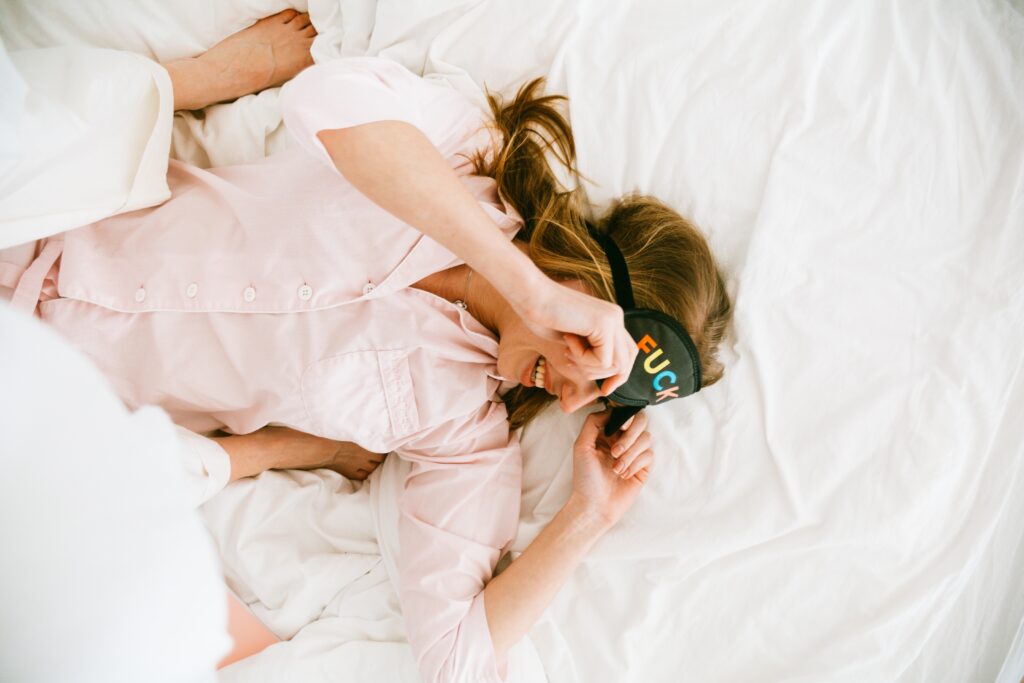
The Best Habit to Change Your Life: Sleep Quality & Consistency
Before you roll your eyes thinking “obviously,” hear me out.
This isn’t just about getting more sleep. It’s about sleep quality and consistency—and it’s the subtle difference between temporary changes and lifelong transformation.
Why sleep quality and consistency beat every other “life-changing” habit:
- Without quality sleep, you lack the willpower to maintain exercise routines
- Sleep deprivation makes meditation nearly impossible due to scattered attention
- Poor sleep impairs memory consolidation, making learning from books ineffective
- Sleep-deprived brains default to old patterns instead of building new habits
The research is clear: Recent 2024 studies show that consistent, quality sleep increases habit formation success by 26% and reduces the likelihood of reverting to old behaviors when stressed or tired.
Why Everyone Gets This Wrong
Most habit advice focuses on adding more to your life—more workouts, more meditation, more productivity hacks. But the most successful people I know don’t have superhuman discipline. They have optimized sleep that makes healthy choices feel effortless.
Here’s the difference:
- Traditional approach: Force new habits through willpower
- Sleep-first approach: Create the neurological foundation through quality and consistency that makes good habits automatic
The Sleep Cycle Secret Most People Miss
Quality over quantity. You can feel more refreshed after 6 hours of properly timed sleep than 8 hours of broken or mistimed rest. Here’s why:
When you wake up mid-cycle (especially during N3 deep sleep or REM), you’ll feel groggy and disoriented for 30+ minutes. But wake up naturally at the end of a cycle, and you’ll spring out of bed energized.
The 90-minute rule: Each complete sleep cycle lasts about 90-110 minutes. Most people need 4-6 complete cycles per night, but this can vary based on factors like hormonal fluctuations, stress, and physical activity. This means:
- 4 cycles = 6-7.5 hours
- 5 cycles = 7.5-9 hours
- 6 cycles = 9-11 hours
Important note: Women often need different amounts of sleep throughout their menstrual cycle—more during and before menstruation when the body requires additional recovery time.
Pro tip: Use a sleep cycle calculator to determine your optimal bedtime based on when you need to wake up, ensuring you complete full cycles rather than aiming for arbitrary hour targets.
The Science Behind Sleep’s Success Foundation
1. Decision Fatigue Protection
When you’re sleep-deprived, your cognitive resources become depleted faster. By afternoon, you’re more likely to skip the gym, order takeout, or mindlessly scroll social media. Quality sleep preserves your decision-making capacity all day long.
Struggling with life decisions? Try this decision-making app to make better, values-aligned decisions.
2. Habit Automation
New research shows that when we’re sleepy, we rely more heavily on automatic behaviors. With good sleep, you can intentionally build positive automatic responses. With poor sleep, you default to whatever habits already exist—usually the ones you’re trying to change.
3. Memory Consolidation
Your brain consolidates memories and processes learning during sleep. This means the new habit you practiced today only becomes “installed” if you sleep well tonight. Skip quality sleep, and you’re essentially hitting reset on your progress.
4. Willpower Recovery
Sleep deprivation directly impacts your prefrontal cortex—the brain region responsible for self-control. Adults with poor sleep hygiene show 75.8% higher rates of giving up on goals compared to those with consistent sleep habits (59.6%).
How to Make Sleep Your Life-Changing Habit
Step 1: Master Sleep Cycles (Not Hours)
Here’s what most people get wrong: it’s not about hitting exactly 8 hours. It’s about completing full sleep cycles.
Each sleep cycle lasts 90-110 minutes and includes five stages (N1, N2, N3, and REM). The secret is waking up at the end of a completed cycle, not mid-cycle. This is why you sometimes feel amazing on 6 hours but terrible after 8.
Your non-negotiables:
- Same bedtime and wake time (even weekends)—this regulates your circadian rhythm
- 4-6 complete sleep cycles (typically 6-9 hours, but varies by person)
- Digital sunset 1 hour before bed (blue light disrupts sleep architecture)
- Use a sleep cycle calculator to time your sleep perfectly
Step 2: Optimize Your Environment
- Temperature: 65-68°F (your body needs to cool down to fall asleep)
- Darkness: Blackout curtains or quality eye mask
- Sound: White noise machine or quality earplugs
- Comfort: Invest in a mattress and pillows that support your sleep position
- Light: Use light to your advantage for a natural wake to sunlight or support dark mornings with a sunlight alarm clock
Step 3: Strategic Timing
- Caffeine cutoff: No caffeine after 2 PM (6-8 hour half-life)
- Exercise timing: Finish workouts at least 3 hours before bed
- Food timing: Last meal 3 hours before sleep
Step 4: Track the Right Metrics
Don’t obsess over sleep tracking data (this can create “orthosomnia”—sleep anxiety). Instead, track:
- Consistency of sleep/wake times
- How you feel making decisions in the afternoon
- Success rate with other habits you’re building
The 30-Day Sleep-First Challenge
Instead of trying to change everything at once, commit to perfecting your sleep for 30 days.
Here’s what typically happens:
Week 1:
You’ll notice better mood and decision-making
Week 2:
Other healthy choices start feeling more natural
Week 3:
You’ll have energy for activities you’ve been putting off
Week 4:
Friends will ask what you’re doing differently
The magic: By week 4, you’re not using willpower to maintain healthy habits—they’ve become your default state.
Why This Beats Every Other “Best Habit”
vs. Daily Exercise: Exercise is harder to maintain when you’re tired, but good sleep makes you want to move more.
vs. Meditation: Meditation requires focus and attention—both severely impaired by poor sleep.
vs. Reading/Learning: Sleep-deprived brains can’t effectively consolidate new information.
vs. Productivity Systems: All the apps and methods in the world won’t help if your brain is running on insufficient rest.
vs. Healthy Eating: Here’s the truth—healthy eating might be the most impactful habit long-term, but sleep is what makes healthy food choices sustainable.
Additionally, sleep deprivation disrupts hunger hormones (leptin and ghrelin), making you crave high-calorie, processed foods.
On days when you sleep poorly, choosing fast food over home-cooked meals becomes almost inevitable. Sleeping well, and healthy eating go hand in hand.
The Compound Effect of Sleep Consistency
Here’s what makes sleep different from every other habit: it multiplies the effectiveness of everything else.
- Better sleep → Better workouts → Improved fitness results
- Better sleep → Clearer thinking → Better business decisions
- Better sleep → Stable mood → Stronger relationships
- Better sleep → More energy → Increased productivity
This is why sleep quality and consistency isn’t just another habit—it’s the meta-habit that upgrades your entire operating system.
Common Objections (And Why They’re Wrong)
“I don’t have time for 8 hours of sleep” You don’t have time NOT to sleep. One all-nighter reduces cognitive performance for up to two weeks. Poor sleep makes every task take longer and produces lower-quality results.
“I don’t need 8 hours of sleep” You’re probably right—most people don’t need exactly 8 hours. Sleep needs are highly individual and can even vary throughout the month.
For example, I personally go to bed at 8:40 PM like clockwork and wake around 6 AM, but my body requires different amounts of sleep cycles depending on my hormonal cycle. During and before my period, I need 6 full cycles (about 9 hours), but other times I feel great with 5 cycles. The key isn’t hitting a magic number; it’s completing full sleep cycles and listening to your body’s changing needs.
“Sleep is boring compared to other habits” Sleep might not be Instagram-worthy, but it’s the foundation that makes every other achievement possible. The most successful people prioritize sleep precisely because it’s so fundamental.
Start Tonight: Your First Step
Don’t try to optimize everything at once. Pick ONE thing:
- Set a consistent bedtime (start with ±30 minutes)
- Create a simple pre-sleep routine (10 minutes, no screens)
- Optimize your room temperature
Master that for one week. Then add the next element.
The Bottom Line
So if you’re asking yourself what habit will improve your life? If you have to pick one, choose sleep quality and consistency.
While everyone else is adding more complexity to their lives, you can create lasting change by mastering the one habit that makes all others possible.
The best habit to change your life is not more sleep, it is sleeping better so everything else becomes effortless.
Stop fighting your biology. Start with sleep, and watch every other area of your life improve without the constant battle of willpower.
Your transformation begins tonight.





Get the Weekly Wellth Newsletter
Stay up to date & receive the latest posts in your inbox.