



Salted vs Unsalted Butter: Why You Should Always Assume Unsalted Butter for Healthy Cooking
When I first started cooking for myself, I remember being completely lost over something as simple as butter.
Every recipe called for it, but rarely does one ever explained the difference between salted vs unsalted butter.
It felt like everyone online just assumed I had grown up in a kitchen or went to culinary school. Spoiler: I didn’t.
If you’re like me — someone who learned to cook later in life, juggling work, family, and a million other things — this kind of detail matters. Because in healthy cooking, it’s the small things that make a big difference.
And knowing when (and why) to use unsalted butter can change how your food tastes, how your recipes turn out, and how much control you have over what you’re putting into your body.
Let’s break it down simply — no chef jargon, no judgment — just the practical truth about salted vs unsalted butter and why I always reach for unsalted by default.
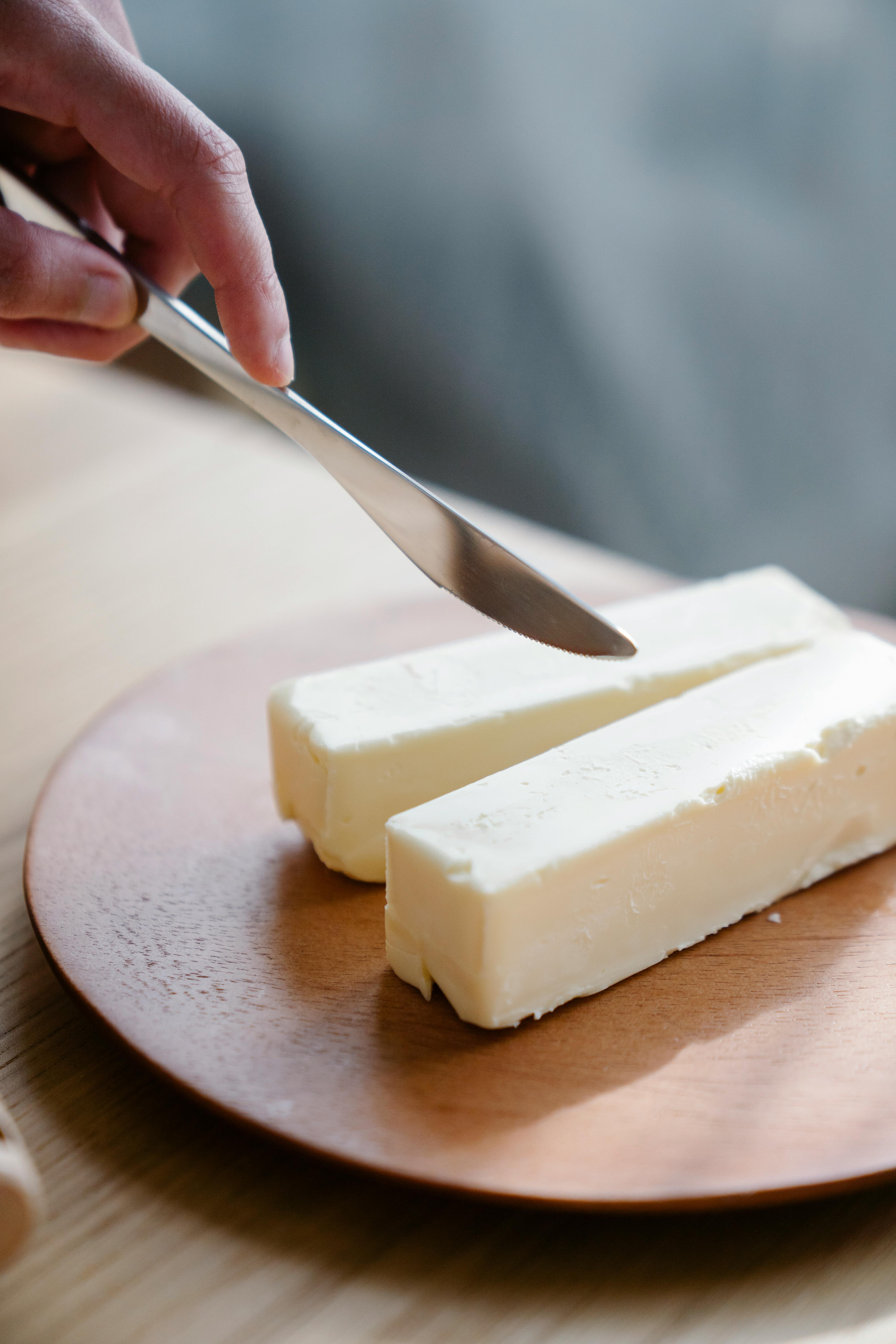
What’s the Real Difference Between Salted vs Unsalted Butter?
At first glance, they look exactly the same. But the difference comes down to — you guessed it — salt.
- Salted butter has salt added after churning, which gives it a longer shelf life and a slightly salty flavor.
- Unsalted butter is pure cream with nothing extra added. It tastes creamier, fresher, and gives you total control over seasoning.
That’s it. One has salt; one doesn’t. But that tiny difference can completely change how your recipes turn out.
Why Unsalted Butter Should Be Your Default for Healthy Cooking
When I started making healthier swaps in my kitchen, I realized that using unsalted butter gave me two things I desperately needed: control and consistency.
1. You Control the Salt
When you cook with salted butter, you’re working with a mystery ingredient. Every brand adds a different amount of salt, so you never truly know how much sodium you’re adding to your dish.
If you’re trying to eat healthier, cut back on processed foods, or reduce bloat from excess sodium, unsalted butter is a simple switch that keeps you in charge. You can always add salt later — but you can’t take it out once it’s there.
2. It’s Better for Baking (and Everything That Needs Precision)
If you’ve ever followed a baking recipe that didn’t turn out right, the butter might’ve been the culprit. Salted butter throws off the balance of baked goods — it can mess with flavor, texture, and even how the dough rises.
Professional bakers always use unsalted butter because it keeps the recipe predictable. Even if you’re not baking every day, it’s a good rule of thumb: when in doubt, go unsalted.
3. It Helps You Cook Healthier Without Losing Flavor
Healthy cooking doesn’t mean bland cooking — it means balanced cooking. And when you use unsalted butter, you’re creating a neutral base that lets real flavors shine through: herbs, garlic, lemon zest, roasted veggies, you name it.
Salted butter, on the other hand, can overpower those fresh flavors. When you’re learning to season your food intentionally — adding salt, acid, and fat in balance — unsalted butter gives you that flexibility.
4. It’s One Less Hidden Source of Sodium
Even if you’re not “watching your salt,” you probably already get enough from store-bought sauces, bread, and snacks. Little things like switching to unsalted butter reduce your daily sodium without you even noticing.
And when you do add salt, it’s because you chose to, not because it was hidden in your ingredients. That’s a small but powerful shift toward mindful cooking.
When Salted Butter Still Has Its Place
Now, I’m not saying you have to ban salted butter forever. I still keep a stick or two in my fridge because sometimes, convenience wins.
Here’s when I’ll reach for it:
- Spreading on toast — especially when I’m craving that salty-buttery combo.
- Tossing on veggies or popcorn for a quick hit of flavor.
- Cooking while traveling or staying somewhere without my usual ingredients — one stick does it all.
But for everyday cooking and baking at home? I always default to unsalted. It’s easier to work with, gives me better results, and keeps my recipes balanced.
Salted vs Unsalted Butter: Making the Switch to Unsalted
If you’ve been using salted butter your whole life, this switch might feel strange at first — but you’ll get used to it quickly.
Here are a few simple tips to make it easy:
1. Keep both on hand, but label clearly
I store my unsalted butter in the main fridge section and my salted one in the butter dish or freezer. That way I never grab the wrong one when baking.
2. Add salt intentionally
Once you start using unsalted butter, taste as you go. You’ll notice when a dish needs a little pinch of salt — but you’ll also start to realize how often it doesn’t.
3. Learn what fresh butter tastes like
Unsalted butter has a cleaner, creamier flavor that lets ingredients stand out. It’s subtle but so much better once you notice it.
4. If a recipe calls for salted butter
Don’t stress — just add about ¼ teaspoon of salt per stick of butter. That’s roughly what most brands use, so it’s an easy adjustment.
5. Storing unsalted butter
Since unsalted butter lacks the preservative effect of salt, it may have a slightly shorter shelf life. Keep it properly refrigerated.
Butter and Healthy Living: Finding Balance
Let’s be real — butter isn’t a “health food,” but it’s not the villain it’s made out to be either. It’s all about how much and how you use it.
Butter gives you flavor, richness, and satisfaction — which can actually help you stay consistent with healthy eating because you’re not depriving yourself. When you pair unsalted butter with whole foods — sautéed veggies, scrambled eggs, whole-grain toast — it becomes part of a balanced lifestyle.
I don’t believe in cutting out foods like butter. I believe in understanding them and using them smarter. And knowing the difference between salted and unsalted butter is one of those small, “grown-up kitchen” skills that makes you feel a little more confident every time you cook.
The Bottom Line: Always Assume Unsalted
When in doubt, always assume unsalted butter — especially in recipes, healthy cooking, and baking. It’s one of those quiet, behind-the-scenes habits that make your food taste better and your body thank you later.
Switching to unsalted is about being intentional about your decisions around your health. You’re taking control of what goes into your meals, learning to season with purpose, and slowly building confidence in the kitchen.
And if you ever find yourself staring at two butter boxes in the grocery aisle, wondering which to grab — now you know.
Pick unsalted. Your heart (and your recipes) will thank you.



Get the Weekly Wellth Newsletter
Stay up to date & receive the latest posts in your inbox.