


First 100-Mile Bike Ride: My 8-Week Journey From Non-Cyclist to Century Rider
My first 100-mile bike ride started as an audacious yes. At the time, I was no cyclist — I wasn’t riding at all, not even short weekend rides.
When a close friend invited me to join her for Pelotonia — a major fundraising event for cancer research where riders choose their distance — she signed up for the full 100 miles. Saying yes to her meant saying yes to the longest one-day ride the fundraiser offered.
The catch? I wasn’t a cyclist. I didn’t own a bike, hadn’t been on one since high school, and had zero fundraising experience. And I only had eight weeks to figure it out.
But something in me knew this wasn’t just about the ride. It was about proving to myself that I could commit fully to a big, audacious goal and follow through, no matter what it took.
What I didn’t realize then was how much those eight weeks would change me — not just physically, but in every aspect of my life.
This is the story of how training for my first 100-mile bike ride became a masterclass in intentional living.
The Commitment: What I Signed Up For
When my friend invited me to join her for Pelotonia, I didn’t fully grasp what I was saying yes to.
Pelotonia is a massive charity cycling event that raises money for cancer research—riders choose their distance, and she wanted to do the full 100 miles.
One hundred miles. On a bike. That I didn’t own yet.
Most people would have said no. Or at least, “let me think about it.” But I said yes immediately.
I could say yes because I had a foundation to build on. I was already working with a personal trainer twice a week, so I understood my body, knew how to push it, and had a baseline level of fitness. I knew what discipline looked like. I knew how to set goals and reverse-engineer the steps to achieve them.
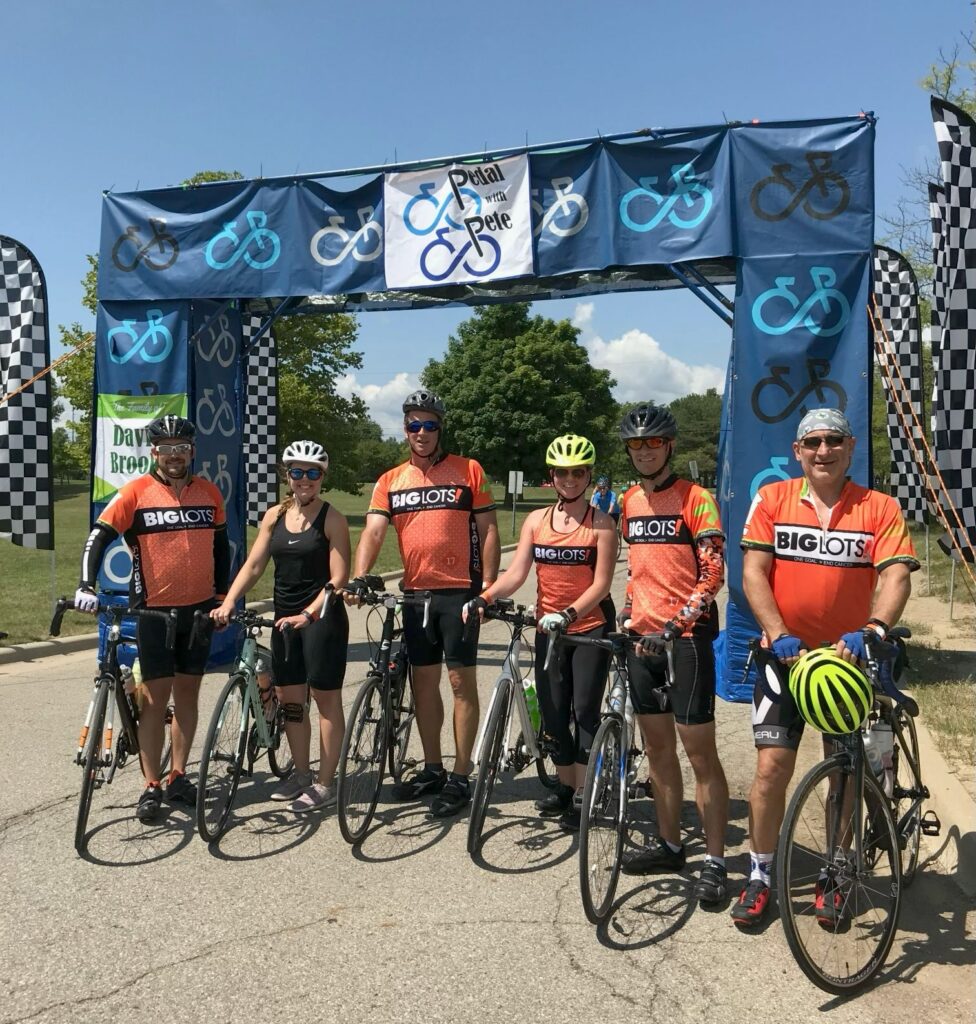
I also had something else working in my favor: my friend’s company. They were sponsoring both of us, covering part of the fundraising goal, matching donations, and even providing the jersey we’d ride in. That took some pressure off.
But the sponsorship was only a bonus. I still needed to raise $2,000 and, more importantly, become physically capable of riding 100 miles in eight weeks.
I was willing to go all in. That willingness to invest time, money, and energy into becoming the kind of person who could finish a century ride was what made everything that followed possible.
Curious if a personal trainer is worth it? Check out my post that answers that exact question: Is A Personal Trainer Worth It? Spoiler alert: 1,000% YES!
The Support System
One of the best things about saying yes was the support that came with it.
My friend became my anchor throughout the whole experience. She’d done Pelotonia before and knew what to expect. Having her as a partner made the entire experience better — someone to text during the week, someone who understood exactly what I was going through, someone to celebrate small wins with.
Her company’s cycling team also became my training lifeline. They had team leaders who planned practice routes and coordinated group rides. Being included on their emails gave me a ready-made training schedule without having to figure it out myself.
These weekend rides had cyclists of all levels — experienced riders and newbies like me. I kept up because I was naturally athletic, but more importantly, I was surrounded by people who made it feel achievable.
Even the cycling pro at my local shop who took me under his wing turned into an unexpected mentor. He didn’t just sell me equipment and disappear — he checked in, offered advice, and genuinely cared about my progress. That kind of support from someone who knew cycling inside and out was invaluable.
And then there was the fundraising support. Friends, family, my company, and even acquaintances invested in me. Every donation felt like another person saying “we believe you can do this.” That added a powerful layer of accountability on the hard training days.
The cycling community welcomed me in and made those eight weeks not just manageable, but enjoyable. Surrounding myself with people who were already living as cyclists accelerated my transformation. I wasn’t just learning technique — I was absorbing their mindset, their habits, their identity as athletes.
That community — on the bike and through fundraising — made the goal bigger than just a personal challenge. It became something I was doing for others too, and that shift in perspective was one of the most valuable parts of the entire experience.
Investing In a Bike (And Myself)
The first step to start: buying my first real bike. Who knew how much went into cycling and just how expensive it could be!
Thankfully, I had the guidance of an experienced fitter at my local bike shop. He walked me through the entire process, making sure I had not only the right bike but the shoes, the cycling computer to track speed and distance, bike shorts, socks, and even a roadside repair kit for emergencies. He personally set my seat position and taught me the basics of what I was getting into.
All in all, I spent over $1,500 on the bike and equipment (and that doesn’t even include the Chipotle meals that followed rides!). For someone who had never cycled before, that felt like a massive investment. But that’s exactly what made it work.
When you put that much money down, you don’t just buy equipment—you buy accountability. You buy a new identity. I couldn’t let that bike collect dust in my garage. I had just declared to myself and the world: I’m a cyclist now.
The mental shift that came with that financial investment was immediate. This wasn’t a casual hobby I could pick up and put down whenever I felt like it. I had skin in the game. I had made a commitment, and the price tag made it real.
Looking back, that willingness to invest in myself—in becoming the kind of person who could ride 100 miles—was the foundation for everything that followed.
Restructuring My Life Around Training
Training rides quickly became the center of my weeks — and, surprisingly, my social time. A 30–40 mile ride wasn’t just time on the bike. It meant waking up at 6 a.m. to fuel properly, heading out for the ride, and not getting back until midday to refuel and recover.
Between prep, the actual ride, and recovery, each session consumed a good chunk of my day. My calendar reorganized itself around one singular goal: be ready to ride 100 miles in eight weeks.
Social plans were rescheduled around training rides. But in a way, the rides became my social plans. Weekend group rides and weekday meetups with my friend gave me built-in connection time with people chasing the same goal.
I also had to learn everything from scratch — how to use my equipment, what my cycling computer did, and how to read it, tracking my rides on Strava. All the gear I’d just bought suddenly needed to actually be used, and I was figuring it out as I went.
Then there were the clip-in pedals. I didn’t even start practicing with them until two weeks before the race — and at first it was genuinely terrifying. Your shoes lock into your pedals, and if you don’t unclip before you stop, you fall over. I practiced like a little kid learning to ride a bike — wobbling outside my apartment complex, falling more than once until I figured it out.
But I did figure it out, because that’s what the goal required. And through all of this, I maintained my two-times-per-week workouts with my trainer. I didn’t drop my strength training. I added cycling on top of it.
The clarity of having one big goal made every decision easier: Does this serve my goal? Yes or no. Simple.
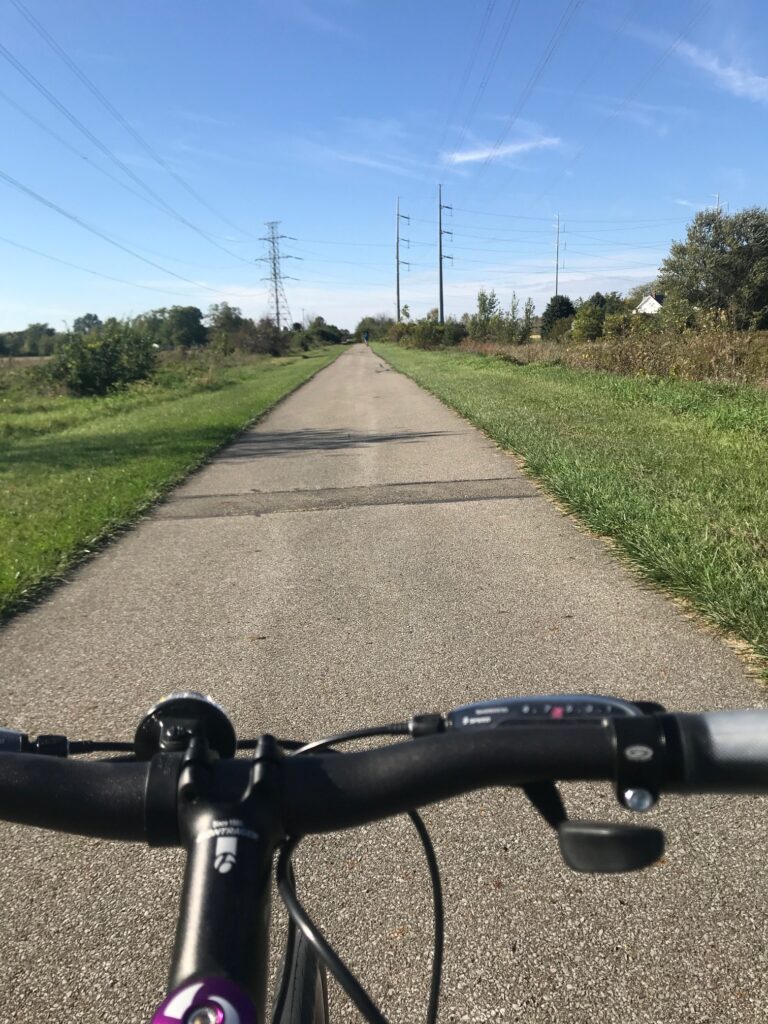
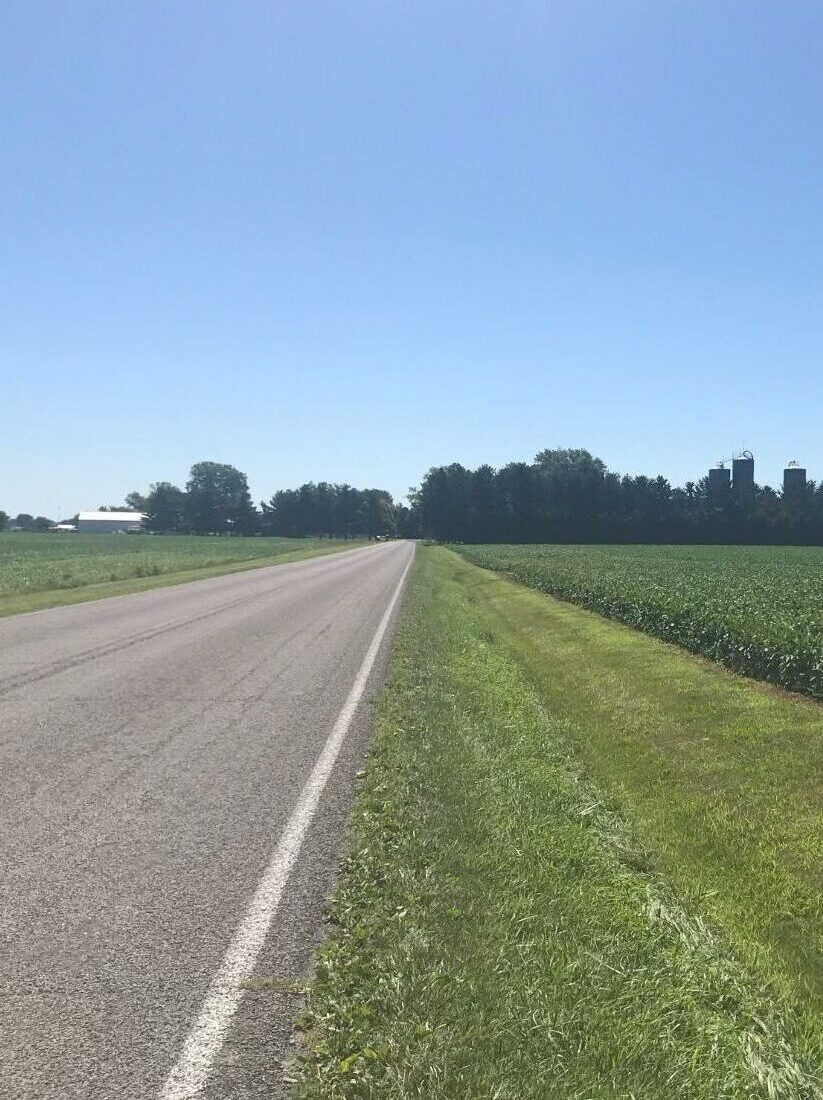
I also found that cycling became an unexpected way to explore nearby cities. Seeing new landscapes kept me engaged during long rides and helped me fall in love with the sport.
The Training: Putting My Head Down
With only 8 weeks, this wasn’t about perfectionism or overthinking—it was about executing.
The reality is, I didn’t do that many rides. The timeline was so condensed that every ride had to count. Each one had a clear purpose.
Maintaining my Baseline:
To keep up my strength training, I continued working out with a trainer twice a week. My workouts typically consisted of a 30-45 circuit of four exercises primarily with weights, some abs, and occasionally cardio bursts, done in four rounds.
Solo power rides:
At least once a week after work, I’d do 20–30 mile rides on my heavier fitness bike without clip-ins, going as hard and fast as I could. These rides built cardiovascular strength and toughened me up for the saddle time.
Weeknight & weekend rides with my friend:
We coordinated whenever our schedules allowed. Having a consistent training partner kept me accountable and made the process enjoyable.
Indoor cycling on rainy days:
When weather didn’t cooperate, I’d hit CycleBar to maintain my momentum. I wasn’t about to let rain derail my training schedule.
Weekend group rides:
I joined 4–5 company-organized rides, usually covering 35–45 miles each time. These longer rides taught me pacing, endurance, and what it felt like to be on the bike for hours. I managed to keep up because I was naturally athletic, but more importantly, because I was surrounded by people who made it feel achievable.
The 66-mile practice ride:
About two weeks before race day, we signed up for another fundraiser ride — 66 miles — to test ourselves. It was my longest ride before Pelotonia. It turned out to feel surprisingly doable, which gave me a huge confidence boost. But I also knew the extra 34 miles on race day would be a completely new level of endurance — something I’d only reach through race-day adrenaline, support, and grit.
Like marathon training, you don’t do the full distance in advance. My 66 miles were the cycling equivalent of a marathoner’s 20-miler — the rest would come from race-day adrenaline, support, and sheer determination.
The beauty of such a compressed timeline was that there wasn’t time to overthink or make excuses. Each week had a purpose, each ride built on the last, and I trusted that the work would add up to 100 miles.
And it did.
Race Day: My First 100-Mile Bike Ride, A Century In the Books
Peletonia ride arrived faster than I expected.
I woke up that morning exceptionally early, with a mix of nerves and excitement. This was it.
Eight weeks of early mornings, after-work sprints, group rides, and completely restructuring my life had led to this moment.
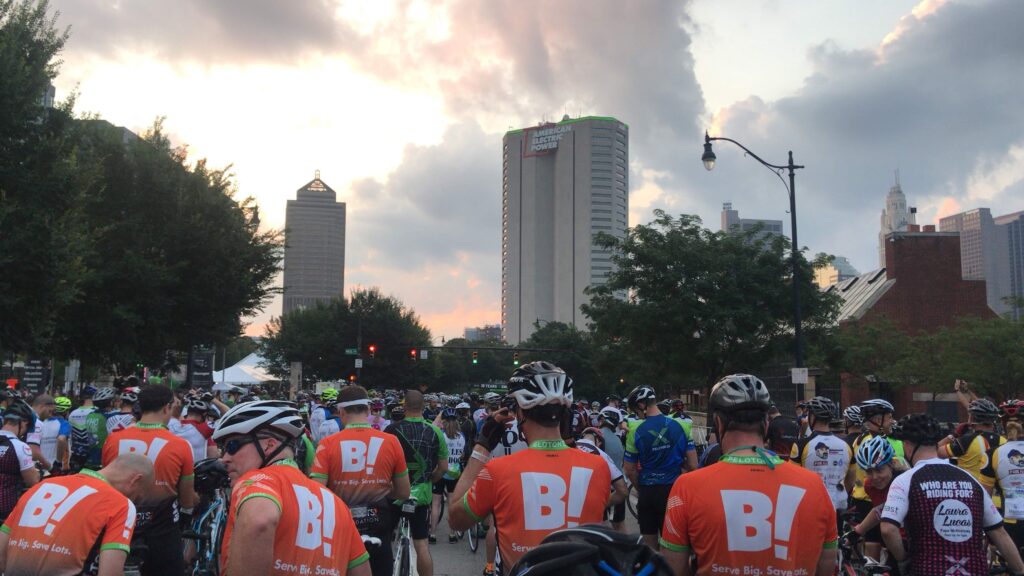
The Starting Line: 6:00 A.M.
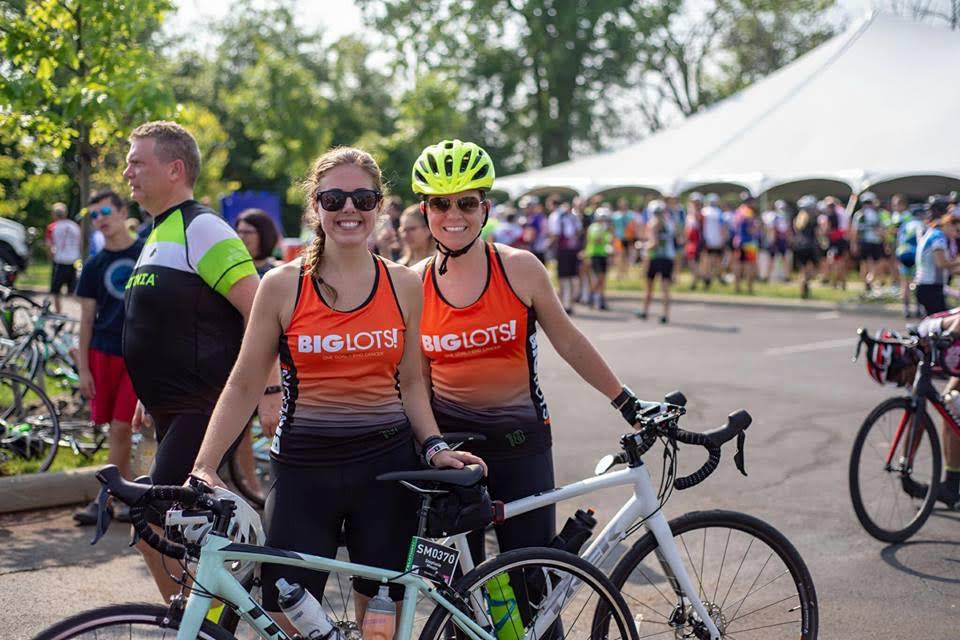
The start line was electric with energy—hundreds of cyclists, all there for the same reason: to ride for cancer research. As the sun rose, I had several lovely conversations with strangers about their training, who they were riding for, and their nerves.
When the ride began, I settled into a rhythm, reminding myself of everything those eight weeks had taught me.
Riding through the heart of downtown Columbus with no cars in sight was surreal—just cheers from friends and family lining the streets. The sheer number of riders made the start slow and a bit intimidating, so we moved faster to get away from the pack.
The First Stop: 16 Miles
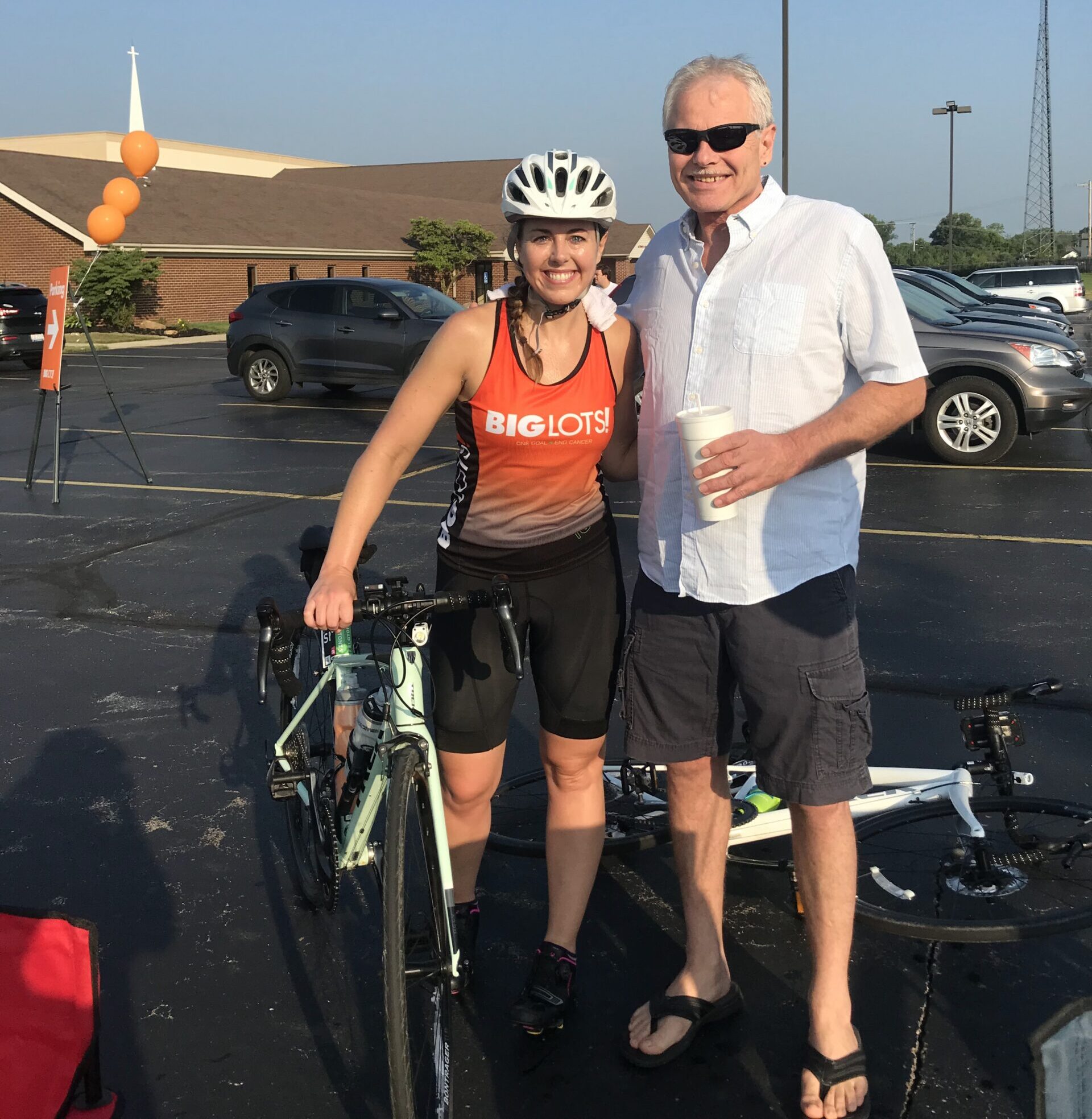
We hit our team’s sponsored tailgate early — snacks, water, hugs from my dad. Part of me wanted to keep going and skip the stop, but this is what makes Pelotonia special: food, cheers, and tiny celebrations every 15–20 miles.
The next stretch felt steady and strong. The heat was creeping in, but the rolling countryside and the energy from riders around us kept me going. These miles were about rhythm and enjoying the ride.
Halfway There: Mile 50
By mile 50, the heat was starting to get to me, it was well over 80 degrees by that time but I kept going because lunch awaited us at mile 64 haha.
Hitting a Wall: Miles 65-85
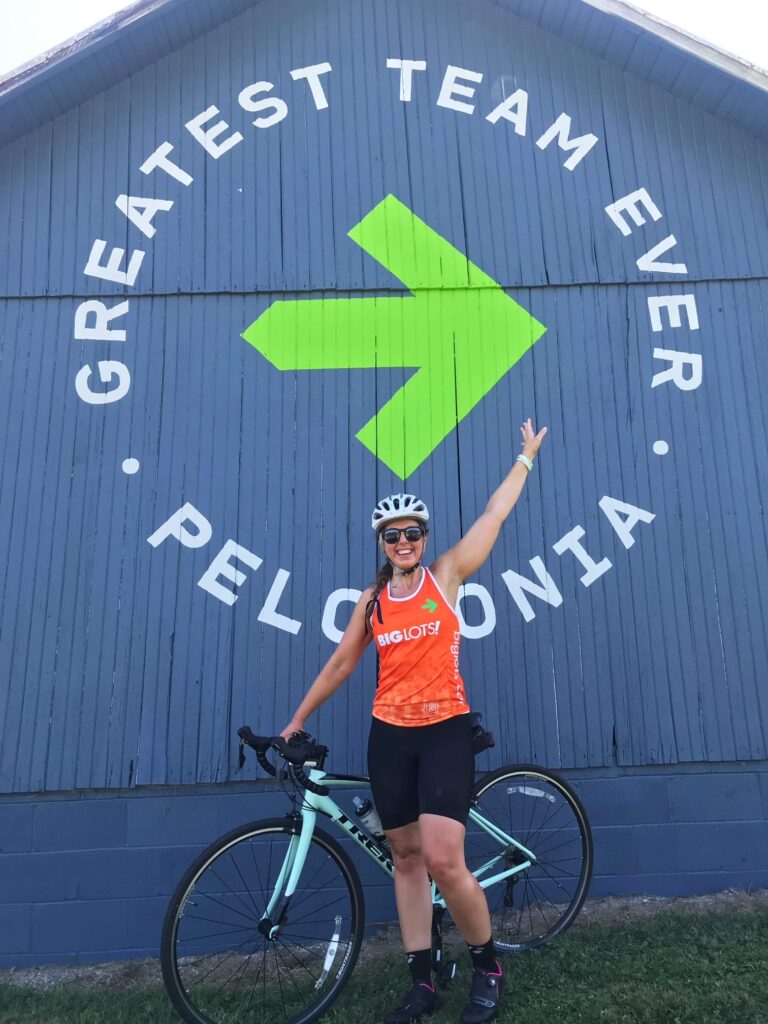
After lunch, I realized: this was it. Everything past this point was uncharted territory and I had to trust that adrenaline, fueling, and sheer grit would carry me through the final 34.
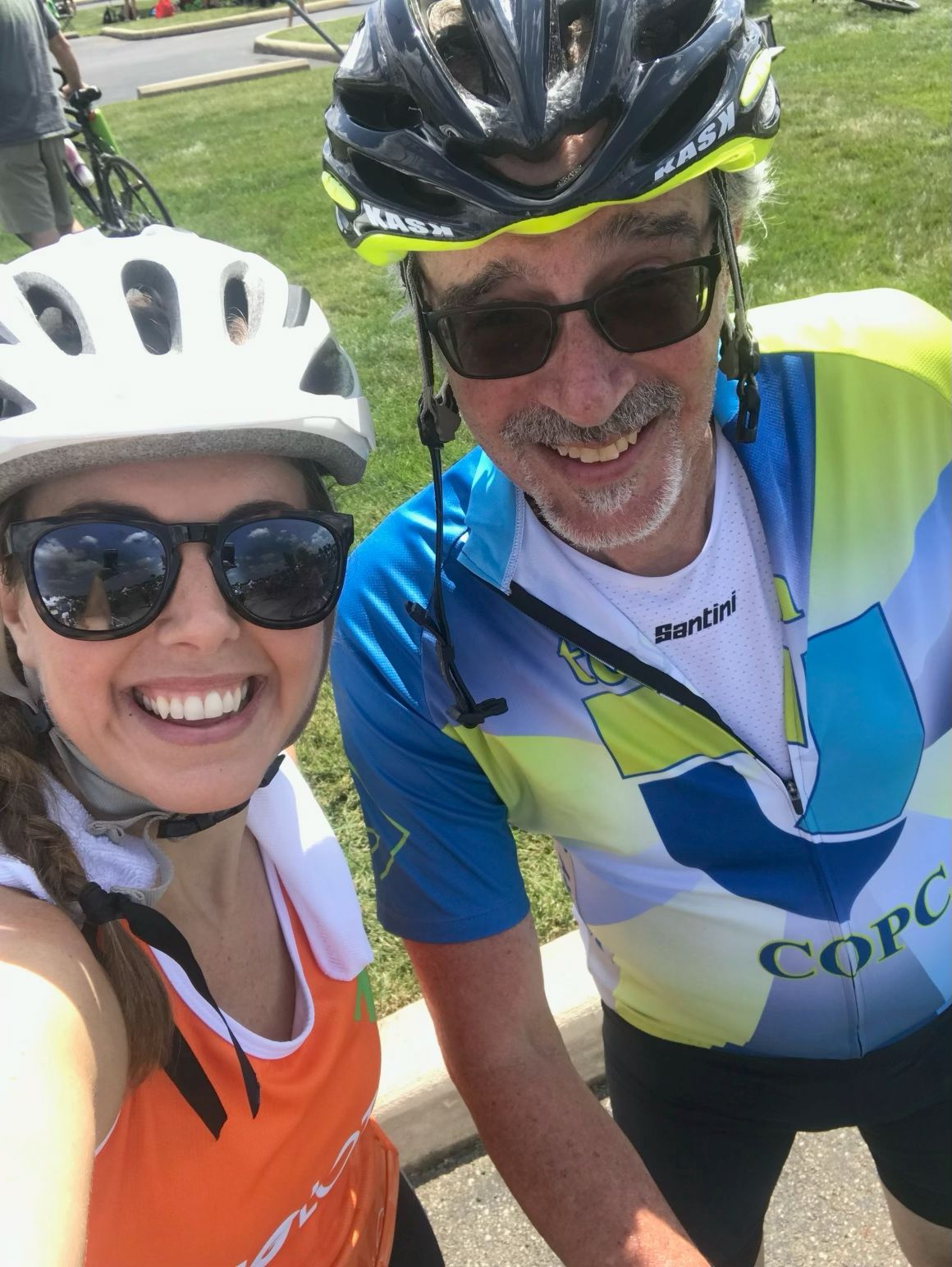
These were by far the hardest. My legs were dead, my energy dipped, and I had to focus on one mile at a time. I rode alongside a man who told me about surviving cancer — his story pushed me to keep going when my body wanted to quit.
Home Stretch: Mile 85+
Somewhere around mile 85, I caught my second wind. The finish line was close enough to taste, and adrenaline carried me through those final miles.
The Finish Line: My First Century Ride in the Books
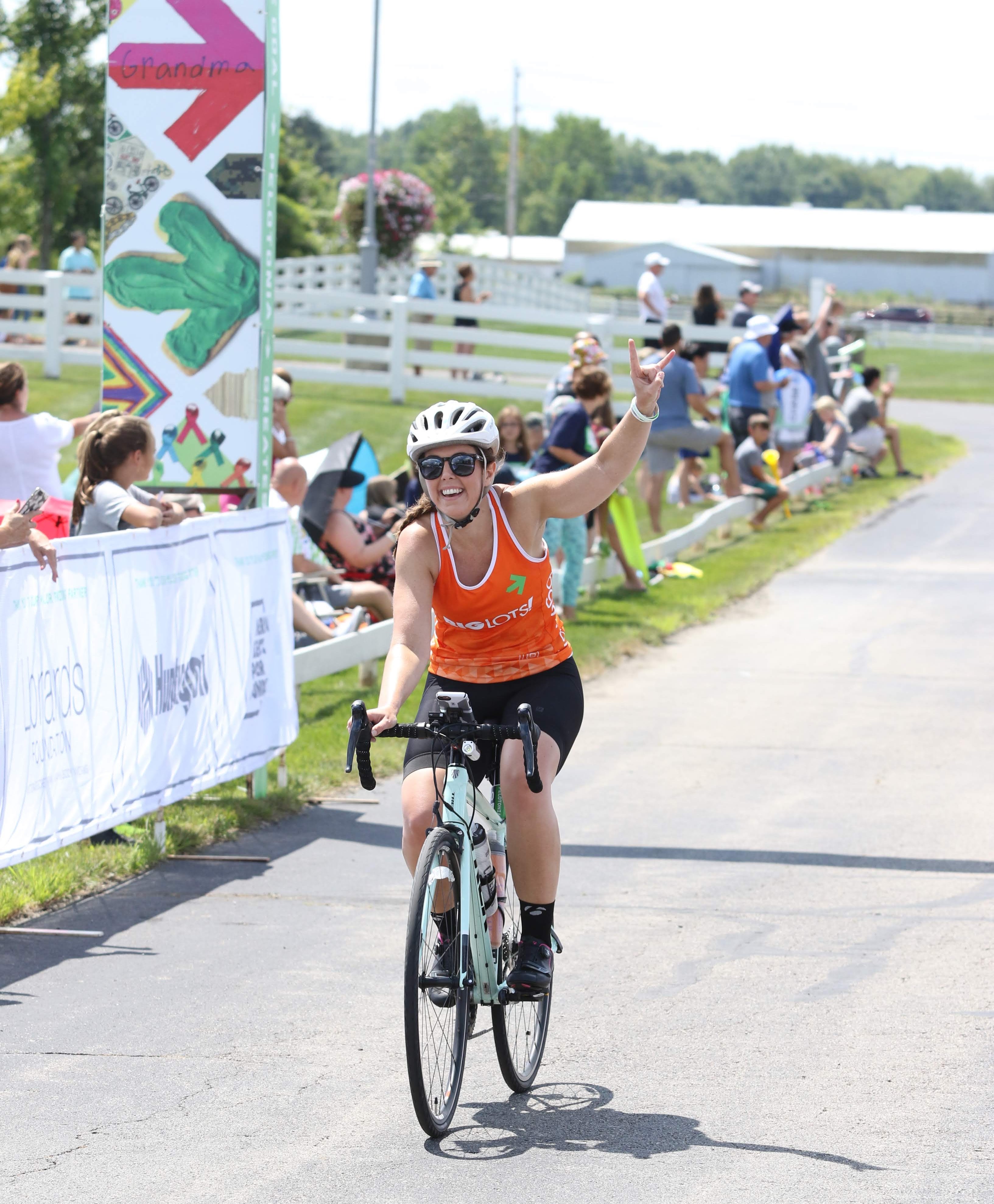
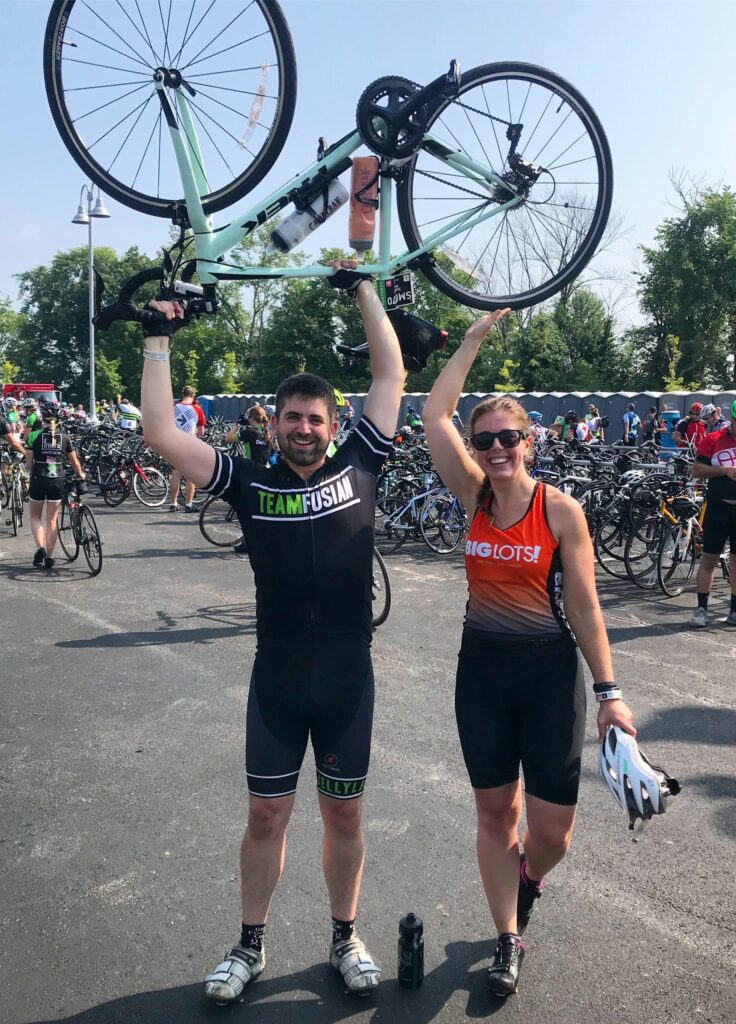
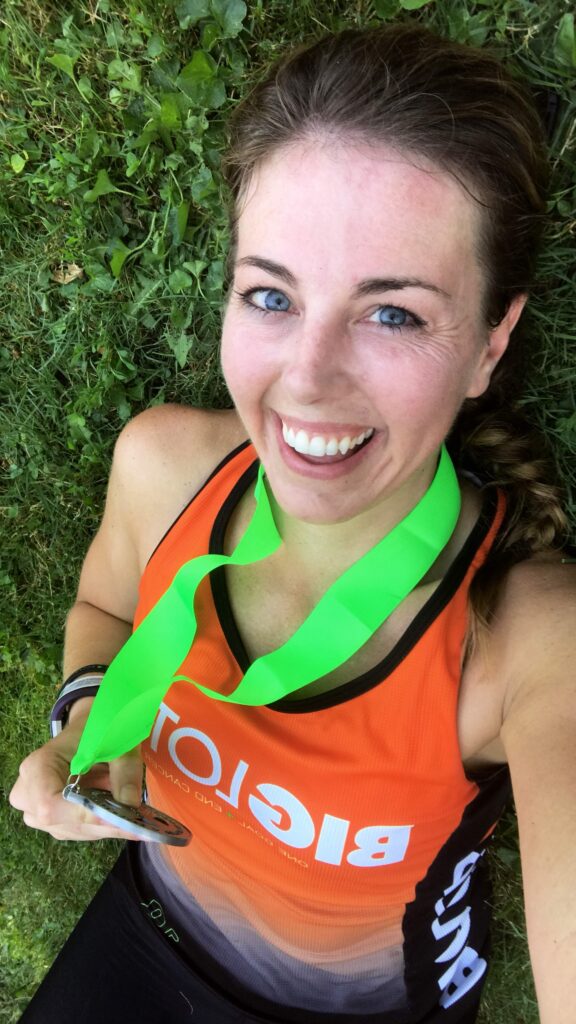
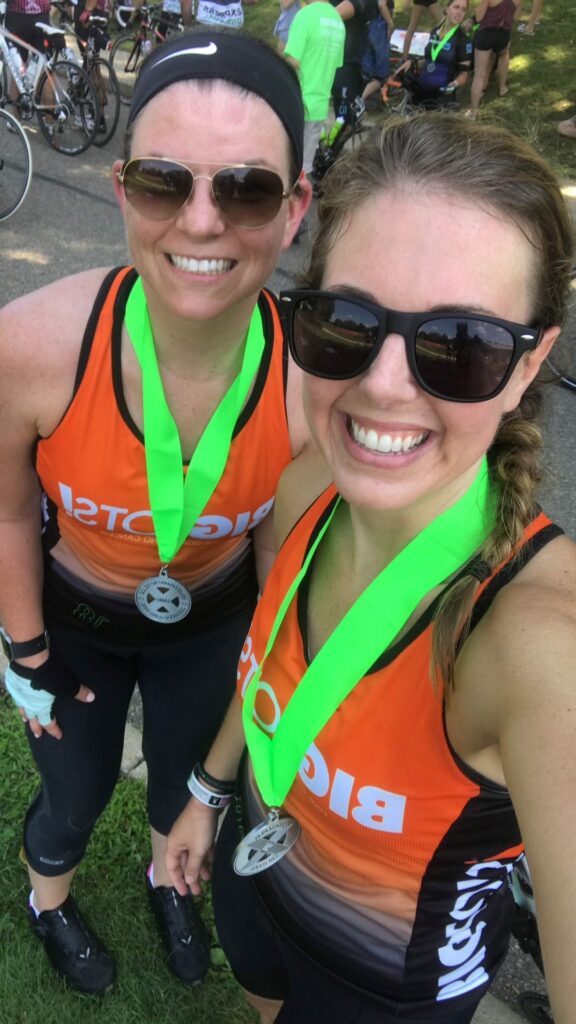
When I crossed the finish line—just under 8 hours after I started—the flood of emotions hit me all at once. Pride. Relief. Disbelief. Joy. I had actually done it. I had ridden 100 miles.
But more than that, I had proven to myself that I could set an audacious goal with no prior experience, no formal training plan, and completely restructure my life to achieve it in just 8 weeks. That felt bigger than any finish line.
What My First 100 Mile Ride & 8 Weeks of Intentional Living Taught Me
Those eight weeks taught me lessons that extended far beyond cycling.
- You can transform in a remarkably short time when you’re intentional. Eight weeks earlier, I wasn’t a cyclist. Eight weeks later, I had ridden 100 miles. The timeframe doesn’t matter as much as the commitment and consistency. You don’t need months or years—you need clarity and relentless action.
- Investment creates accountability. When you put real money, time, and energy into something, you show up differently. The $1,500 I spent on that bike made me a cyclist before I ever rode 100 miles. The donations people made created external accountability that pushed me forward.
- Community makes impossible things possible. I couldn’t have done this alone. The weekend riding group didn’t just teach me how to ride—they showed me who I could become. Building community around your goals accelerates everything.
- Your body will rise to meet what you demand of it. I asked my body to do something it had never done before with no formal training, and it adapted. Week by week, mile by mile, it got stronger. Our bodies are far more capable than we give them credit for.
- You don’t need a perfect plan—you need consistent action. I didn’t have a coach or structured program. I had a goal, a deadline, and a commitment to show up. Sometimes that’s all you need.
- The ripple effects are real. Training for Pelotonia didn’t just make me a cyclist—it changed how I approached challenges in every area of my life. It gave me confidence that I could commit to something difficult and see it through. It showed me what intentional living actually looks like in practice.
This experience set the stage for other transformations in my life. It’s what gave me the confidence to later dive deep into CycleBar, to continue pushing my fitness, to keep choosing discomfort in service of growth.
It Wasn’t Really About the 100 Miles
Here’s what I’ve come to understand: my first 100-mile bike ride was never really about the bike ride itself.
It was about proving to myself that I could commit fully to something audacious and follow through, even with no experience and limited time. It was about becoming the kind of person who does hard things.
Yes, I raised money for cancer research through Pelotonia, and that mattered. But what mattered just as much was the person I became in those eight weeks.
Someone who invests in herself.
Someone who restructures her entire life around her goals.
Someone who shows up consistently, even when it’s hard.
Someone who builds community around her ambitions.
That version of myself—the one forged through eight weeks of intentional living and consistent action with no formal plan—is the person who continues to set audacious goals and figure out how to achieve them.
So here’s my question for you: What could you do in eight weeks if you went all-in? What would happen if you made one bold decision and completely restructured your life around making it happen?
You might be surprised by what you’re capable of.
Get the Weekly Wellth Newsletter
Stay up to date & receive the latest posts in your inbox.