


Hobbies That Do Double Duty: A Practical List for Busy Adults
Choosing hobbies for adults isn’t about finding more things to do — it’s about finding activities that support your health, energy, and life at the same time.
If you’ve ever searched for a “list of hobbies” and immediately felt overwhelmed, you’re not alone.
Most hobby lists are massive, unfocused, and disconnected from real adult life — work, family, mental load, and limited energy included.
The problem isn’t that you don’t have hobbies.
It’s that most hobbies are framed as extra.
The healthiest, most sustainable hobbies do double duty. They support more than one part of your life at once — movement and connection, self-care and structure, creativity and usefulness.
This guide shares a practical list of hobbies for adults who want more energy, not another obligation.
What “double duty” hobbies actually mean
A double-duty hobby checks at least two of these boxes:
- Supports physical or mental health
- Fits into real schedules
- Reduces decision fatigue
- Creates momentum instead of pressure
- Feels grounding, not draining
If a hobby only adds effort, it rarely sticks.
A practical list of hobbies for adults (bucketed by real-life return)
1. Movement + Social Connection
These hobbies improve physical health and meet the human need for connection — which makes them easier to sustain.
Examples:
- Group fitness classes (barre, yoga, spin)
- Walking clubs or standing walking dates
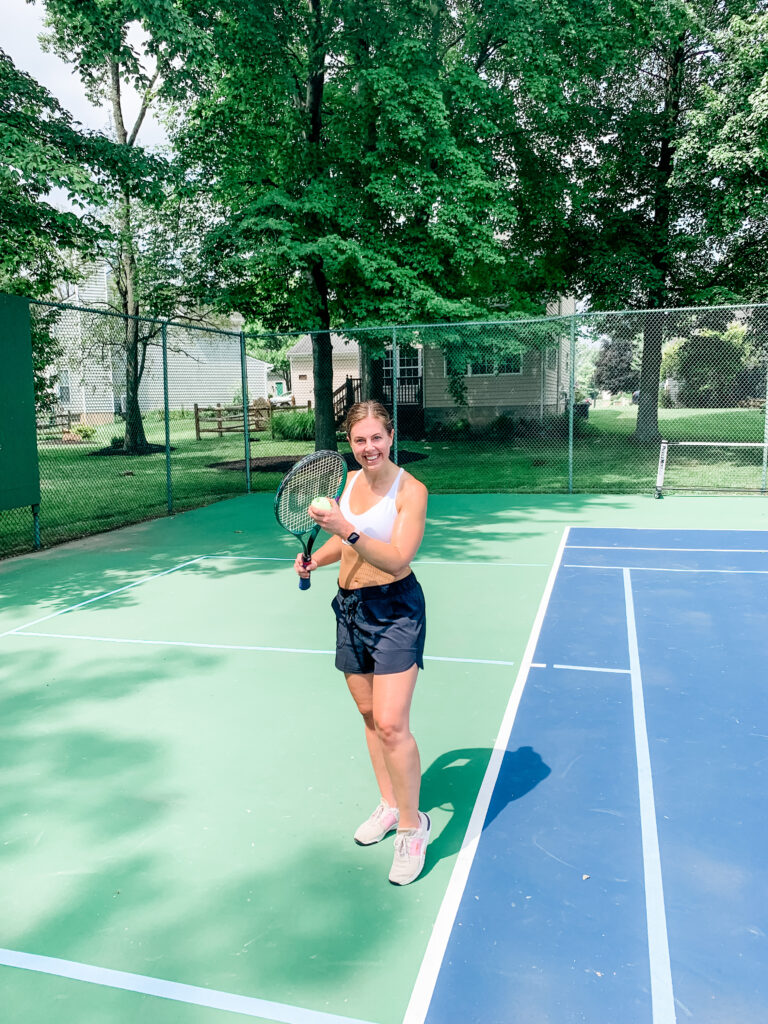
- Pickleball, tennis, or recreational sports leagues
- Paddleboarding or kayaking
- Dance classes
- Hiking groups
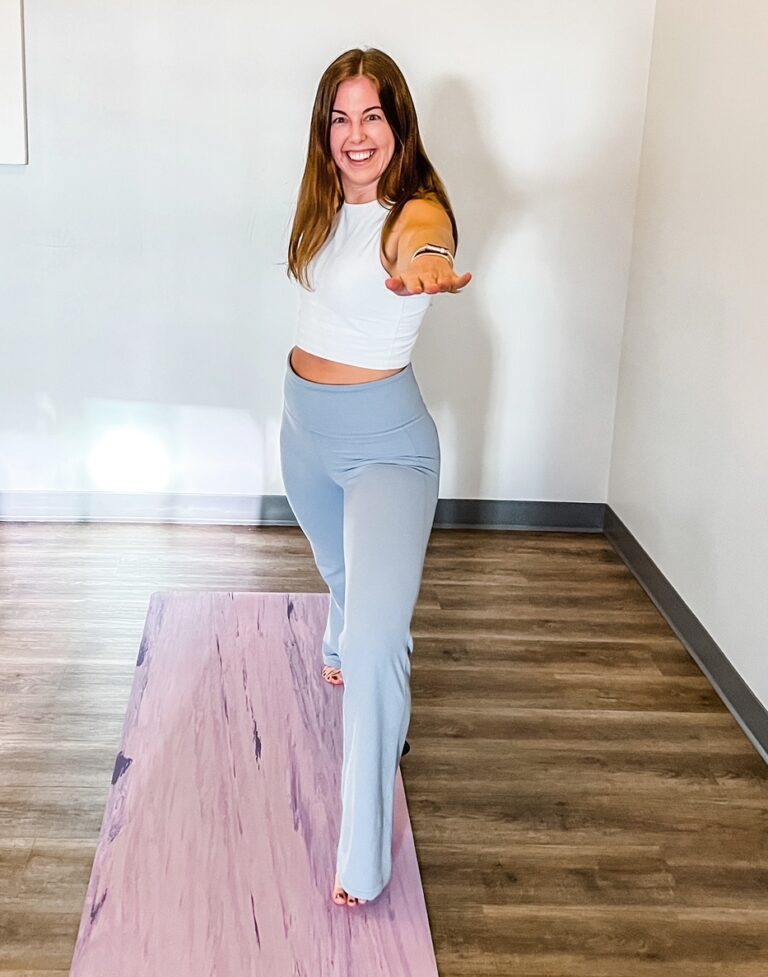
- Yoga
Why these work:
Movement becomes automatic when it’s tied to people. You don’t have to rely on motivation — the structure is built in.
I take this concept with me when I leave town too. See: 5 Enjoyable Ways to Workout on Vacation →
2. Mental Health + Structure
These hobbies support emotional well-being while also creating rhythm — a key factor in follow-through.
Examples:
- Monthly reading challenges (one book per month)
- Guided journaling or prompt-based writing
- Language learning apps with streaks
- Weekly planning or reflection rituals
- Networking groups with working sessions
Why these work:
Structure removes friction. When the “what” and “when” are decided, consistency becomes realistic.
3. Self-Care + Skill Building
These hobbies improve daily life while quietly building competence and confidence.
Examples:
- Cooking simple, nourishing meals
- Meal planning
- Gardening
Why these work:
They don’t feel indulgent — they feel useful. That usefulness creates momentum and self-trust.
Looking to improve your diet? Read: Healing Your Gut: Six Simple Steps to Reset Your Health →
4. Social + Low-Energy Hobbies
Perfect for busy seasons when energy is limited but connection still matters.
Examples:
- Walking meetups
- Trivia nights
- Casual book clubs
- Community volunteering (especially family-friendly options)
- Coffee or tea rituals with friends
Why these work:
They require minimal prep and mental load — which is often the biggest barrier for adults.
I’ve made this work in my own life taking on a book club hobby that pairs social time and workout time through my studio book club. Read how here: Why I Read Instead of Listen: The Benefits of Reading Books →
5. Creative + Output
Creativity is most sustainable when it creates something tangible or meaningful.
Examples:
- Blogging or personal writing
- Photography
- Content creation
- Scrapbooking or memory keeping
- Simple DIY projects with a purpose
Why these work:
Expression paired with output feels satisfying instead of aimless.
Got a passion or unique expertise you want to share with the world through a blog? I’ve got you covered. Read: How to Start a Blog →
How to choose a hobby as an adult that actually sticks
Before committing to a new hobby, ask:
- Does this support my health — physical, mental, or emotional?
- Does it fit my current season of life?
- Does it reduce decision fatigue instead of adding to it?
- Does it serve more than one purpose?
If the answer is “yes” to at least two, it’s a strong candidate.
You don’t need more hobbies.
You need better-aligned ones.
Why fewer hobbies often lead to better results
A long list of hobbies can feel inspiring — but it rarely leads to action.
Choosing one or two double-duty hobbies:
- Builds consistency
- Protects energy
- Supports long-term health
- Fits into real adult life
- You actually get better at something
- Makes you a more interesting person
That’s what makes them sustainable.
The Takeaway
The best hobbies for adults aren’t about filling time.
They’re about supporting the life you already have.
When a hobby improves your health and your quality of life, it stops feeling optional — and starts feeling essential.
Get the Weekly Wellth Newsletter
Stay up to date & receive the latest posts in your inbox.