


Low-Histamine Foods List: 50+ Simple Foods to Eat
When you first start researching a low-histamine diet, the lists of foods to avoid can make it seem as though there is almost nothing left to eat.
Tomatoes are out. Fermented foods may be a problem. Leftovers suddenly require a strategy. Even foods you have always considered healthy can appear on a high-histamine list.
That was exactly why I needed a practical low-histamine foods list—not another explanation that left me staring into my refrigerator wondering what I could turn into an actual meal.
This guide brings the foods commonly considered lower in histamine into one organized place. You will find grains, produce, fresh proteins, dairy options, pantry staples and simple meal combinations, along with the food-storage details that matter just as much as the ingredients themselves.
Important: There is no universally safe or completely histamine-free food list. Histamine intolerance is not a food allergy, food histamine levels can vary, and individual tolerance can change. Use this list as a practical starting point—not a diagnosis or a permanent prescription. Work with a qualified clinician or registered dietitian before beginning a restrictive medical diet, especially if you are losing weight, struggling to eat enough or have a history of disordered eating.
Make low-histamine eating easier
Get the free one-page low-histamine foods list to save on your phone, print for your kitchen or take to the grocery store. You’ll also receive practical wellness ideas from The Weekly Wellth. Unsubscribe anytime.
Quick List of Foods Often Considered Lower in Histamine
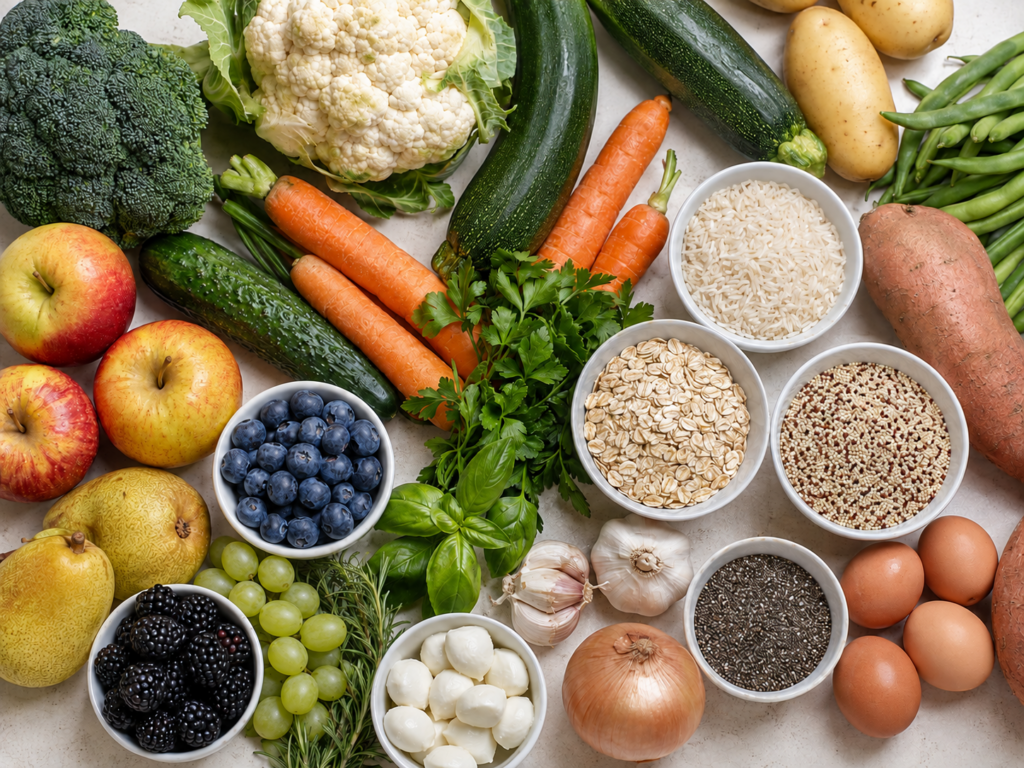
If you need somewhere simple to begin, build meals from fresh, minimally processed foods such as:
- Rice, oats, quinoa, corn and plain pasta
- White potatoes and sweet potatoes
- Broccoli, carrots, cauliflower, cucumbers, green beans and zucchini
- Apples, blueberries, blackberries, grapes, peaches, pears and watermelon
- Fresh chicken, turkey, beef or pork that is cooked promptly or frozen
- Eggs, if tolerated
- Fresh cheeses such as ricotta or mozzarella, if tolerated
- Almond milk and coconut milk
- Olive oil, coconut oil, butter, maple syrup and honey
- Chia seeds, flax seeds and pumpkin seeds
- Fresh herbs including basil, parsley, rosemary and thyme
Freshness may be as important as the specific ingredient. A freshly cooked chicken breast and chicken that has spent several days in the refrigerator are not necessarily equivalent for someone trying to reduce dietary histamine.
What Makes a Food Low in Histamine?
A low-histamine food is not necessarily free of histamine. It is simply a food commonly considered less likely to add a large amount of dietary histamine compared with aged, fermented, cured or long-stored foods.
Histamine is a chemical your body naturally produces, and it also occurs in food. Bacteria can increase histamine as food ages or ferments, which is why freshness, processing and storage play such an important role.
Histamine intolerance is also a debated and difficult-to-confirm diagnosis. The American Academy of Allergy, Asthma & Immunology reports that food histamine levels vary widely and that low DAO levels alone do not confirm histamine intolerance. In one controlled study it summarized, histamine intolerance was ruled out in most participants who suspected they had it. That does not mean the symptoms are imaginary. It means symptoms such as digestive distress, headaches, flushing or a racing heart can have many possible causes and deserve a thorough medical evaluation.
If you are trying to understand why nutritious foods sometimes appear to make you feel worse, start with Histamine Intolerance Symptoms and Why Healthy Foods Backfire. I also shared more of the lived experience behind this topic in My Experience With Histamine Intolerance.
Complete Low-Histamine Foods List
The foods below are commonly included on lower-histamine food lists, but individual recommendations differ. Treat this as a flexible starting point and track your own response rather than assuming every item will work equally well for you.
Grains, Baking and Pantry Staples
- White rice
- Brown rice
- Rolled oats
- Quinoa
- Corn kernels
- Cornmeal
- Polenta
- Plain wheat pasta, if tolerated
- Plain rice-based pasta
- White potatoes
- Sweet potatoes
- Olive oil
- Canola or vegetable oil
- Coconut oil
- Unsalted butter, if tolerated
- White, brown or turbinado sugar
- Pure maple syrup
- Honey
- Chia seeds
- Flax seeds
- Pumpkin seeds, if tolerated
Rice, potatoes and oats can do a great deal of the practical work here. They are familiar, affordable and easy to combine with a fresh protein and vegetable without needing a complicated specialty recipe.
Refrigerator Staples and Dairy
- Eggs, if tolerated
- Fresh cow’s or goat’s milk, if tolerated
- Plain almond milk
- Coconut milk from a carton
- Canned coconut milk without unnecessary additives, if tolerated
- Cottage cheese, if tolerated
- Cream cheese, if tolerated
- Fresh ricotta
- Fresh mozzarella
Fresh dairy is not automatically safe for everyone, but it is different from aged cheese. Johns Hopkins includes fresh cheeses such as ricotta and mozzarella among foods that may be better tolerated. Start with the dairy products you already know work for you rather than adding several unfamiliar ones at once.
Egg recommendations also vary. There is not enough consistency to declare that everyone following a low-histamine diet must avoid egg whites or eat yolks only. Unless your clinician has given you more specific guidance, it is more useful to test your response to eggs as an individual food.
Low-Histamine Vegetables
- Broccoli
- Carrots
- Cauliflower
- Celery
- Cucumbers
- Garlic
- Green beans
- Yellow onions
- Red onions
- White onions
- Zucchini
Most fresh vegetables are often considered lower in histamine, but the frequently limited exceptions include tomatoes, spinach and eggplant. If you are overwhelmed, choose two or three vegetables you already enjoy and repeat them. You do not need an entirely new produce drawer to begin.
A basic dinner can be as straightforward as freshly baked chicken, roasted broccoli and rice. See Juicy Oven-Baked Chicken Breasts and Simple Roasted Broccoli Recipe for two dependable building blocks.
Low-Histamine Fruits
- Apples
- Blueberries
- Blackberries
- Grapes
- Peaches
- Pears
- Watermelon
Fruit can be confusing because different low-histamine lists categorize it differently. Non-citrus fruits such as apples, blueberries and peaches commonly appear among the better-tolerated options, while citrus, strawberries, pineapple and very ripe bananas are more frequently limited.
Choose fresh fruit that is not overripe, and test one change at a time if you are actively tracking symptoms.
Simple Herbs and Seasonings
- Basil
- Cilantro
- Oregano
- Parsley
- Rosemary
- Thyme
- Salt
- Turmeric
Fresh herbs, garlic, salt and olive oil can add flavor without immediately reaching for bottled sauces, vinegar-heavy dressings or seasoning blends with long ingredient lists.
That matters because a plain ingredient may fit your plan while the prepared sauce served with it does not. Check blends for ingredients such as vinegar, tomato, soy, preservatives, artificial colors or flavor enhancers that you are currently limiting.
Fresh Meat and Protein
- Fresh chicken breasts
- Fresh chicken thighs
- Fresh turkey breast
- Fresh, unaged beef steaks
- Fresh beef roasts
- Fresh pork chops
- Fresh pork loin
For a lower-histamine approach, choose plain, unprocessed meat rather than deli meat, sausage, bacon, cured meat or meat sitting in a marinade.
Cook fresh meat promptly after purchasing it, or freeze it. If it is frozen, thaw it safely and cook it rather than allowing it to remain in the refrigerator for several more days. Cooking is not a dependable way to reverse histamine that has already formed, so beginning with fresher food is more useful than trying to “cook histamine out” later.
Foods Commonly Limited on a Low-Histamine Diet
There is no single definitive high-histamine foods list, but these categories are commonly limited or tested carefully:
- Aged cheeses
- Yogurt, kefir and other fermented dairy
- Sauerkraut, kimchi and other fermented vegetables
- Wine, beer and champagne
- Cured or processed meats such as salami, sausage, bacon and deli meat
- Canned, smoked, salted or dried fish
- Pickled or vinegar-containing foods
- Tomatoes, spinach and eggplant
- Citrus fruit, pineapple, strawberries and very ripe bananas
- Chocolate
- Soy products
- Beans and lentils
- Peanuts, walnuts and cashews
- Foods containing numerous preservatives, colors or additives
- Leftovers stored in the refrigerator for prolonged periods
Fermented foods are often promoted as universally good for gut health, but they can be difficult for some people who are sensitive to histamine. Read Fermented Foods and Histamine for a closer look at why a conventionally “healthy” food may not feel healthy in your body.
This is also why food advice has to leave room for context. If you have ever asked, “Why do healthy foods make me feel sick?” you are not failing at healthy eating. The food may be nutritious and still not be the right fit for your body, in that amount, at that moment. This guide explains several reasons healthy foods can trigger symptoms.
The Freshness Rule: Storage Matters
One of the most frustrating parts of low-histamine eating is realizing that the ingredient list is only half the equation.
Histamine can increase as food is stored, aged or fermented. That makes a “cook once and eat it all week” meal-prep strategy less useful for someone who appears sensitive to leftovers.
Try this more practical system:
- Buy fresh meat in quantities you can use quickly. Freeze anything you do not expect to cook promptly.
- Cook only what you will eat immediately—or intentionally freeze the extras. Do not plan on slowly working through a large container for several days.
- Cool and store food safely. Portion extra servings so they cool efficiently, then refrigerate or freeze them promptly according to standard food-safety practices.
- Freeze individual portions. This makes it possible to prepare more than one serving without relying on aging refrigerator leftovers.
- Reheat only the portion you intend to eat. Avoid repeatedly warming and cooling the same food.
- Label the freezer container. Add the food and date so you do not have to guess what it is three months later.
For a full freezer workflow, see: How to Store and Freeze Food on a Low-Histamine Diet →
How to Build a Low-Histamine Meal
You do not need a specialized recipe for every meal. Use this simple formula:
Fresh protein + familiar starch + tolerated produce + simple fat or seasoning
For example:
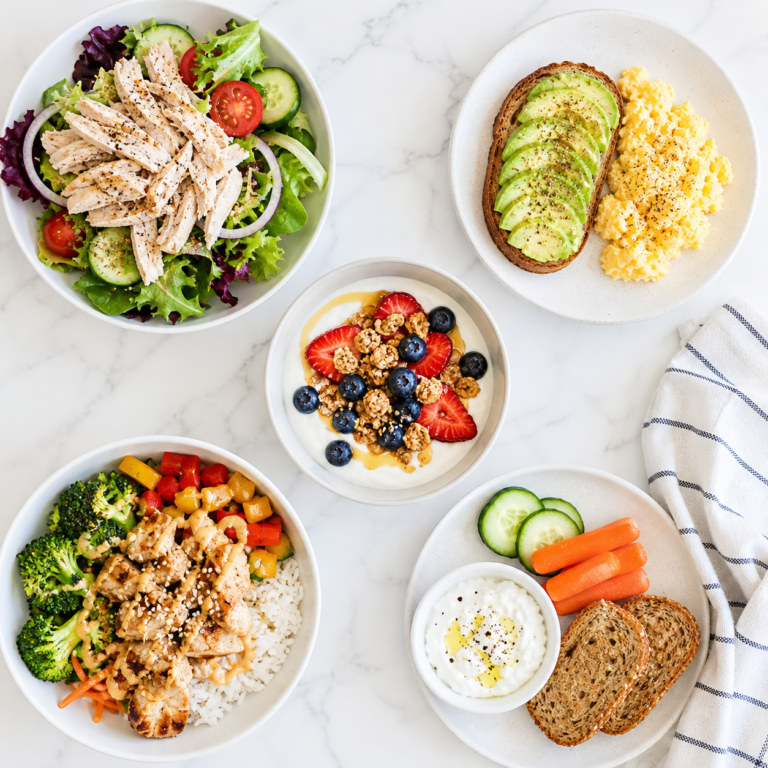
- Chicken breast + white rice + broccoli + olive oil and parsley
- Turkey breast + quinoa + zucchini + garlic and rosemary
- Beef roast + mashed potatoes + carrots + butter and thyme
- Pork chop + sweet potato + green beans + olive oil and oregano
- Eggs + breakfast potatoes + blueberries
- Oatmeal + apples + maple syrup + chia seeds
This is the same principle behind the Healthy Eating Decision System: reduce the number of decisions required to feed yourself.
Choose a small set of defaults that work, then add variety once you have enough capacity to notice patterns.
For more complete combinations, see: Easy Low-Histamine Meals and get my Low-Histamine Diet Meal Plan →
Simple Low-Histamine Breakfast Ideas
Breakfast becomes much easier when you stop expecting it to be elaborate. Try:
- Rolled oats with blueberries, chia seeds and maple syrup
- Warm oats with diced apple, butter and brown sugar
- Eggs with roasted potatoes and a side of pear
- Ricotta with blueberries and honey, if dairy is tolerated
- A simple fruit-and-oat smoothie made with almond or coconut milk
- Leftover frozen breakfast potatoes reheated from an individually frozen portion
Some recipes in these anti-inflammatory breakfast ideas may also provide inspiration, but check each ingredient against your personal tolerance. “Anti-inflammatory” and “low histamine” are not interchangeable labels.
For a collection built specifically around this food list, see: Low-Histamine Breakfast Ideas →
Easy Low-Histamine Lunch and Dinner Ideas
Chicken, Rice and Broccoli Bowl
Combine freshly cooked chicken with white or brown rice and roasted or steamed broccoli. Season with olive oil, salt and fresh parsley.
Turkey and Quinoa Skillet
Cook pieces of fresh turkey breast with zucchini and onion. Serve the mixture over quinoa with garlic and oregano.
Pork Chop With Sweet Potato and Green Beans
Pair a simply seasoned pork chop with a baked sweet potato and fresh or frozen green beans.
Beef Roast With Potatoes and Carrots
Cook an unaged beef roast with potatoes, carrots, onion, salt, rosemary and thyme. Freeze extra portions rather than relying on them as refrigerator leftovers throughout the week.
Ricotta, Apple and Honey Bowl
If fresh dairy works for you, combine ricotta with chopped apple, honey and pumpkin or chia seeds for a quick meal or snack.
Oatmeal When Cooking Feels Impossible
Rolled oats with milk or nondairy milk, blueberries and maple syrup can still count as a meal. When symptoms or fatigue reduce your capacity, “simple enough to eat” is more useful than nutritionally perfect but impossible.
If low energy is the larger barrier, How to Eat Healthy When You Hate Cooking offers more strategies for lowering the work involved.
Practical Low-Histamine Grocery List
You do not need to buy every item in the full list. For one simple week, choose:
Two Proteins
- Chicken breasts or thighs
- Eggs
Two Starches
- Rice
- Potatoes or rolled oats
Three Vegetables
- Broccoli
- Carrots
- Zucchini
Two Fruits
- Apples
- Blueberries
Two Flavor Builders
- Olive oil
- Fresh parsley, rosemary or basil
One Backup
- Individually frozen portions of a meal you already tolerated
This is enough to create oatmeal, eggs and potatoes, chicken-and-rice bowls, simple sheet-pan dinners and several snacks without bringing home an overwhelming amount of food.
Take the Low-Histamine Grocery List With You
Get the printable version of this guide, organized by grocery-store section with checkboxes, simple meal-building ideas and a quick freshness reminder. By signing up, you’ll receive the printable and The Weekly Wellth newsletter. Unsubscribe anytime.
How Long Should You Follow a Low-Histamine Diet?
A low-histamine diet is not intended to become an increasingly restrictive permanent list.
Updated Johns Hopkins guidance describes it as an optional, symptom-guided approach. Rather than broadly eliminating every food reported to contain or release histamine, it suggests a short, carefully monitored trial and systematic reintroduction to identify personal patterns. Its example is a two- to four-week trial focused on one or two foods associated with symptoms—not an indefinite attempt to eat from the shortest possible list.
That distinction is important. The goal is not to become “better” at restriction. The goal is to identify what meaningfully affects your symptoms while maintaining enough food, calories, protein and variety to support your health.
Frequently Asked Questions
What foods are lowest in histamine?
Foods commonly considered lower in histamine include rice, quinoa, oats, potatoes, many fresh vegetables, non-citrus fruits, fresh unprocessed meat, olive oil, coconut oil and some fresh dairy products if tolerated. Freshness and storage can affect how well a food fits a lower-histamine approach.
Are eggs low in histamine?
Eggs are commonly included on low-histamine food lists, but individual responses vary. Claims that everyone must avoid the whites or eat only the yolks are not consistent across medical guidance. Track your own response and follow any individualized advice from your clinician.
Are potatoes low in histamine?
White potatoes and sweet potatoes are commonly considered lower-histamine starches. Serve them with simple ingredients rather than aged cheese, processed meat, ketchup or vinegar-heavy sauces if you are currently limiting those foods.
Is rice low in histamine?
Rice is commonly included in low-histamine eating plans. White and brown rice can both provide an easy base for fresh meat and vegetables.
Is chicken low in histamine?
Plain, fresh chicken is commonly considered lower in histamine. Processing and storage matter: cured, smoked or long-stored chicken is different from a fresh chicken breast cooked promptly or frozen.
Can you eat leftovers on a low-histamine diet?
Tolerance varies, but prolonged storage can allow histamine to increase. If leftovers appear to be a problem, portion and freeze extra food promptly instead of planning to keep it in the refrigerator for several days. Continue following standard food-safety guidance for cooling, freezing and reheating.
Is dairy allowed on a low-histamine diet?
Aged and fermented dairy products are more commonly limited. Some people tolerate fresh milk and fresh cheeses such as ricotta or mozzarella. Dairy tolerance is individual, so test it separately rather than assuming all dairy belongs in one category.
Is a low-histamine diet the same as an anti-inflammatory diet?
No. The two approaches overlap in their emphasis on minimally processed foods, but they are not interchangeable. Foods commonly promoted in anti-inflammatory diets—including fermented foods, tomatoes, citrus and certain nuts—may appear on lists of foods to limit during a low-histamine trial.
A Food List Is a Starting Point, Not the Finish Line
The most useful low-histamine foods list is not the longest one or the strictest one. It is the one that helps you build a few normal meals, notice patterns and stop feeling as though every food decision requires an hour of research.
Start with a small group of fresh foods you already enjoy. Keep the meals simple enough that you can repeat them. Freeze extra portions rather than testing the limits of your refrigerator leftovers. Most importantly, use your symptoms and professional guidance to expand your options—not to make the list smaller forever.
Keep the low-histamine List Handy
You don’t have to remember which foods to buy every time you plan a meal. Get the free printable low-histamine foods list delivered directly to your inbox. You’ll also receive practical wellness ideas from The Weekly Wellth. Unsubscribe anytime.
Sources
- Johns Hopkins Medicine. Low Histamine Diet: Optional Symptom-Guided Approach. Revised April 2026.
- Cleveland Clinic. A Quick Introduction to the Low Histamine Diet.
- American Academy of Allergy, Asthma & Immunology. Histamine Intolerance: Fact or Fiction?.





Get the Weekly Wellth Newsletter
Stay up to date & receive the latest posts in your inbox.