



Silk Sheets vs Satin: Which Is Better for Sleep, Skin, and Hair?
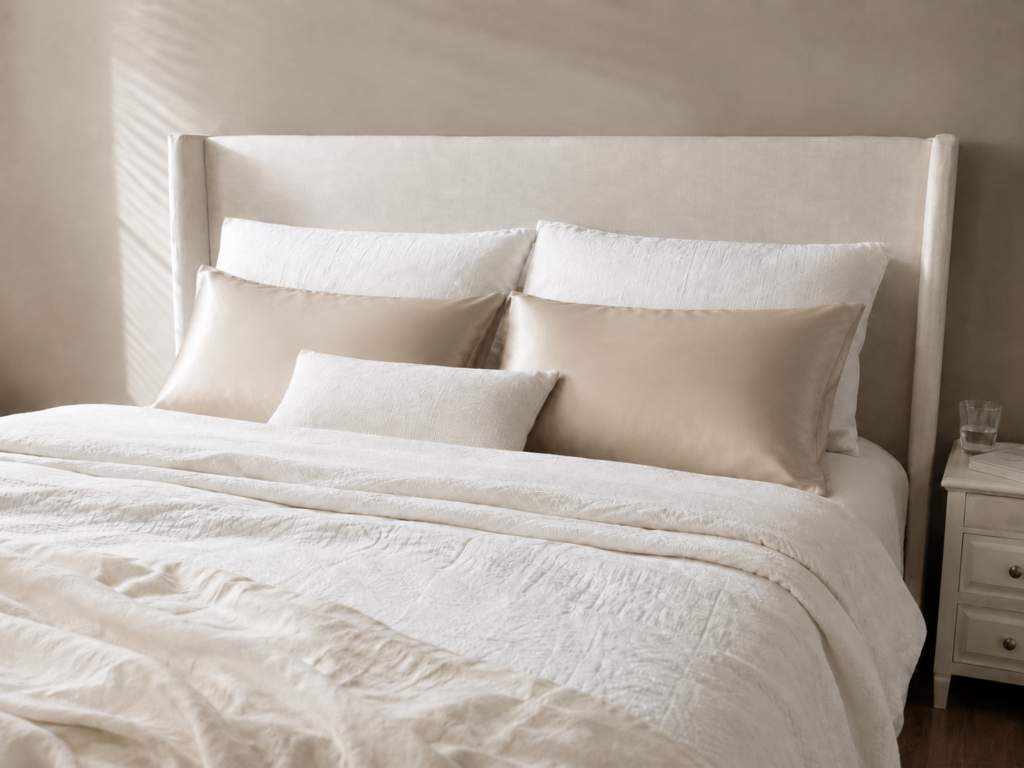
Silk sheets vs satin comes down to one key difference: silk is a natural fiber, while satin is a weave that can be made from silk, polyester, nylon, or other materials.
That difference matters because it affects how the fabric feels, how breathable it is, how much friction it creates against your skin and hair, how easy it is to care for, and how much it costs.
If you want the quick answer: mulberry silk is usually the better upgrade if you want a breathable, lower-friction, natural fabric for sleep, skin, and hair. Satin can still be a good budget-friendly option if your main goal is a smoother surface than cotton.
But I would not tell most people to start by buying a full set of silk sheets.
For the best value, I’d start with a mulberry silk pillowcase first. Your face and hair spend hours against your pillow every night, so that is where the lower-friction benefit matters most. Full silk sheets are a bigger investment. A silk pillowcase is the practical first step.
Promeed also gave Reach Wellth readers an exclusive discount code: use code STEPHANIE2026 for 15% off →
This post contains affiliate links, which means I may earn a commission if you shop through my links.
Silk vs Satin: What’s the Difference?
The biggest thing to understand is that silk and satin are not the same category.
Silk is a fiber. It is a natural material made from silkworms and woven into fabric.
Satin is a weave. It describes the way fabric is woven to create a smooth, glossy surface.
That means satin can be made from silk, but it is often made from polyester, nylon, or other synthetic fibers. This is why two pillowcases can both look shiny and smooth but feel completely different when you sleep on them.
When most people search for silk sheets vs satin, they are usually comparing:
- real mulberry silk sheets or pillowcases
- versus satin sheets or pillowcases made from synthetic fibers
Both can feel smoother than cotton. Both may help reduce friction against your hair and skin. But silk is generally the more breathable, natural, higher-quality option, while satin is usually the more affordable option.
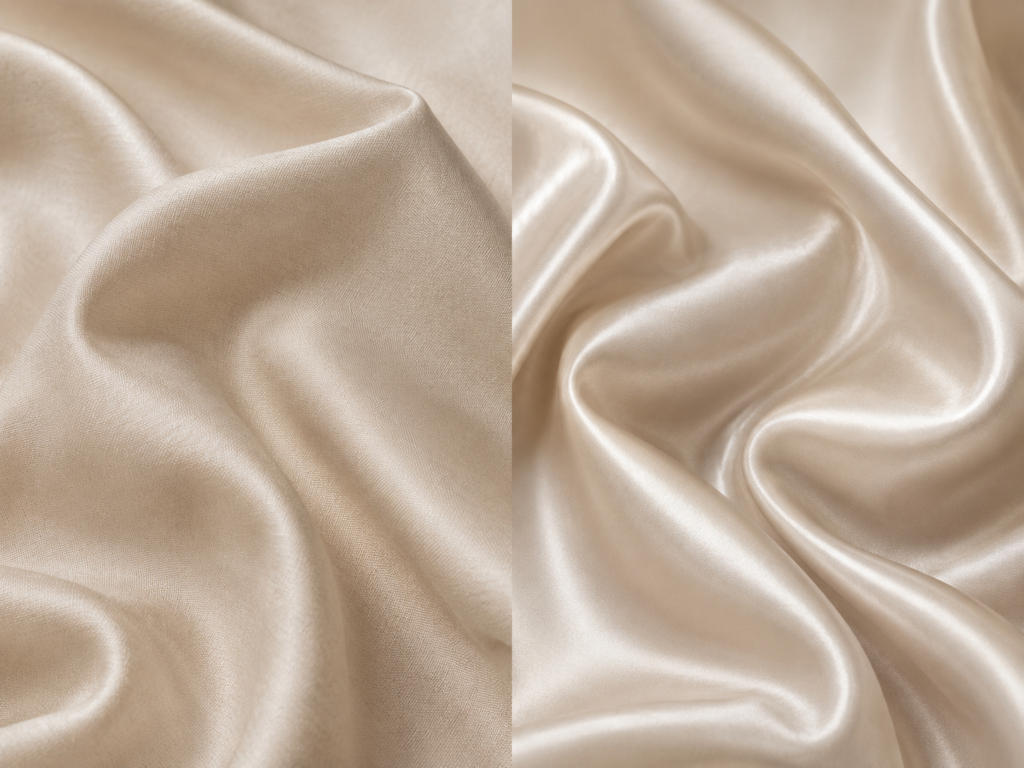
Silk Sheets vs Satin Sheets: Quick Comparison
| Feature | Silk | Satin |
|---|---|---|
| What it is | Natural fiber | Type of weave |
| Usually made from | Silk fibers, often mulberry silk | Polyester, nylon, silk, or blends |
| Feel | Smooth, soft, breathable, luxurious | Smooth, shiny, sometimes slippery |
| Breathability | Usually better | Depends on material |
| Price | Higher | Usually lower |
| Hair benefits | Helps reduce friction, frizz, and tangles | Can also help reduce friction |
| Skin benefits | Smooth surface may reduce tugging and sleep creases | Smooth surface may reduce tugging |
| Care | More delicate | Usually easier |
| Best first buy | Pillowcase | Pillowcase |
| Best for | Higher-quality sleep upgrade | Budget-friendly smooth surface |
Is Silk or Satin Better for Sleep?
Silk is usually better for sleep if you want a fabric that feels smooth, soft, breathable, and more natural against your skin.
That does not mean silk will magically fix your sleep. A silk pillowcase or silk sheets will not replace a supportive mattress, a consistent bedtime routine, a cool room, or actually getting enough hours of sleep.
But your sleep environment does matter.
After upgrading my mattress, I started paying more attention to the smaller pieces of my sleep setup, too. Not because every bedding item needs to become a wellness project, but because sleep is the number-one habit everything else depends on.
So really, any thing you can do to prevent sleep disruptions is truly beneficial. Including upgrading pillows and sheets that make my bed feel better and removing one more point of friction — literally — that feels like a practical place to start.
Silk can help make your bed feel more comfortable because it creates a smoother surface against your body, face, and hair. For some people, it may also feel cooler and more breathable than synthetic satin.
Satin can still be a good option if your main goal is a smoother pillowcase or sheet at a lower price. But because satin is often made from synthetic fibers, it may not feel as breathable as silk. Some people also find synthetic satin slippery in a way that feels less elevated and more “shiny bedding” than luxury bedding.
So for sleep, my practical answer is:
Choose silk if you want the higher-quality natural fabric. Choose satin if you want a lower-cost smooth surface.
Is Silk or Satin Better for Skin?
Silk is usually the better option for skin because it is smooth, soft, and lower-friction.
It will not replace washing your face, moisturizing, changing your pillowcase regularly, or using sunscreen during the day. It is also not going to erase wrinkles or fix your skin overnight.
A smoother pillowcase may help reduce the tugging or rubbing that can happen when your face moves against your pillow overnight. This may be especially appealing if your skin feels dry, sensitive, or easily irritated.
That said, silk is not a skincare treatment.
The better way to think about silk for skin is this:
Silk may help reduce friction while you sleep.
That is useful. It is not magic.
Satin can also create a smoother surface than cotton, so it may offer some of the same friction-reducing benefits. The difference is that satin may be made from synthetic materials, which can affect how breathable or comfortable it feels.
If your skin is sensitive and you want the most elevated option, I’d choose mulberry silk.
If you are mostly looking for a budget-friendly smoother pillowcase, satin can still be a reasonable starting point.
Does Silk Help With Wrinkles?
Silk may help reduce temporary sleep creases, but I would not call it a wrinkle treatment.
This is where the marketing can get a little dramatic.
When you sleep on your side or stomach, your face is pressed against the pillow for hours. That pressure, compression, and movement can contribute to the lines you sometimes see when you wake up. A smoother pillowcase may help with the friction part, but it cannot remove the pressure of your face being pressed into a pillow.
So no, I would not buy silk because someone promised it would prevent wrinkles.
But I do think silk can be a smart lower-friction sleep surface if you regularly wake up with pillow creases or you dislike the way rougher pillowcases feel against your skin.
The honest version:
Silk may help reduce tugging and temporary sleep creases. It will not reverse aging or replace skincare.
That is still a worthwhile benefit. It just needs to be kept in perspective.
Is Silk or Satin Better for Hair?
This is one of the strongest reasons to consider silk or satin.
Hair can get roughed up while you sleep, especially if you toss and turn or sleep on a more textured cotton pillowcase. That friction can contribute to frizz, tangles, flattened curls, and breakage-prone hair.
A smoother pillowcase can help your hair glide more easily while you sleep instead of catching against the fabric.
Silk or satin may be especially helpful if you have:
- curly hair
- wavy hair
- dry hair
- color-treated hair
- fragile or breakage-prone hair
- hair that tangles easily overnight
- frizz that gets worse after sleeping
- styles you want to preserve longer
Both silk and satin can help create a smoother surface for your hair. But if you want the more breathable, natural-fiber version, mulberry silk is the upgrade I’d choose.
This is also why I think the pillowcase matters more than the sheets for most people. Your hair is not spending all night rubbing against the fitted sheet. It is rubbing against the pillowcase.
If hair is your main reason for considering silk or satin, start there.
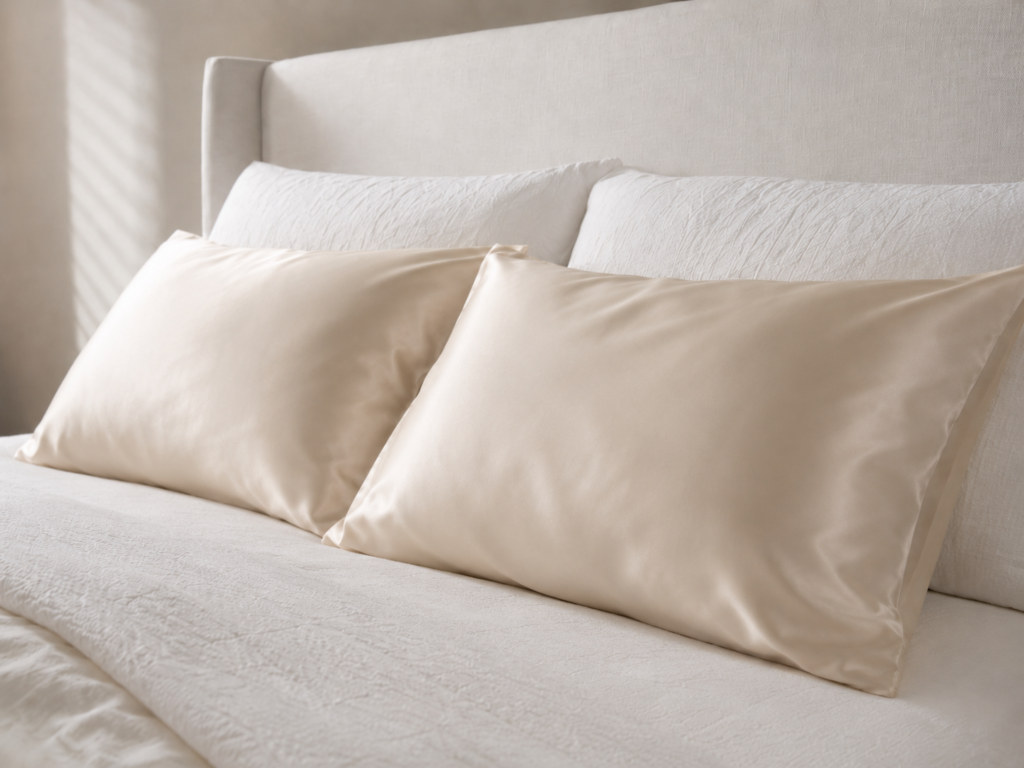
Silk Sheets vs Silk Pillowcase: Where Should You Spend First?
This is where I have a strong opinion.
If you are curious about silk bedding, start with the pillowcase.
A full set of silk sheets can be beautiful, but it is a much bigger investment. It also requires more care, and depending on your sleep style, you may or may not love the slippery feel across your whole bed.
A silk pillowcase gives you the most direct benefit for the lowest cost because that is where your face and hair are actually making contact all night.
That makes a mulberry silk pillowcase the best first spend.
You can always upgrade to silk sheets later if you love the feel. But I would not tell most people to start there.
For me, this is the practical answer: upgrade the point of highest impact first.
What to Look for in a Silk Pillowcase
If you decide to buy a silk pillowcase, here is what I’d look for.
100% Mulberry Silk
Mulberry silk is the standard I’d look for if you want real silk, not just a silky-feeling fabric.
Momme Weight
Momme is the weight measurement used for silk. A higher momme generally means a thicker, more durable silk. Many quality silk pillowcases fall in the 19 to 25 momme range.
Zipper Closure
This seems like a small detail, but it matters. A zipper closure helps keep the pillowcase secure instead of sliding around or gaping open.
Easy Care Instructions
Silk requires more care than cotton. Look for clear care instructions, and expect to wash gently and air dry.
Color and Size Options
This matters if you want it to blend into your actual bedroom and not feel like a random beauty product sitting on your bed.
My Practical Pick: Start With a Mulberry Silk Pillowcase
If you are debating silk sheets vs satin because you want better sleep, smoother hair, or a gentler surface for your skin, I would start with a mulberry silk pillowcase before buying full silk sheets.
I use and prefer mulberry silk because it feels like the best balance of comfort, quality, and practical benefit. It is not a huge bedding overhaul, but it does make your pillow feel smoother and more elevated.
Promeed gave Reach Wellth readers an exclusive discount code for their 23mm 6A+ 100% mulberry silk pillowcase, which comes with a zipper and laundry bag. That combination makes sense to me because it checks the boxes I’d look for: real mulberry silk, a higher momme weight, a secure closure, and a care accessory that makes it easier to maintain.
I’d treat this as a sleep-environment upgrade, not a miracle product. If your pillowcase feels rough, your hair gets frizzy overnight, or you want a smoother surface against your skin, this is the kind of small swap that can make your bed feel better without changing your whole life.
Are Silk Sheets Worth It?
Silk sheets can be worth it if you love the feel of silk, sleep warm, want a more luxurious bed setup, and have the budget for it.
But for most people, they are not the first place I’d spend.
Full silk sheets are more expensive, require more careful washing, and may feel too slippery for some sleepers. They are a bigger commitment than a pillowcase.
I see silk sheets as the upgrade after the upgrade.
Start with the pillowcase. If you use it consistently, love the feel, and notice the difference, then consider whether silk sheets make sense for your sleep setup.

Who Should Consider Silk Bedding?
Silk bedding may be worth considering if you:
- wake up with frizzy or tangled hair
- have curls or waves you want to preserve overnight
- dislike the feel of rougher pillowcases
- wake up with temporary pillow creases
- have sensitive or dry-feeling skin
- want a smoother sleep surface
- are intentionally upgrading your sleep environment
- want a practical luxury that supports your bedtime routine
Silk may not be worth it if you:
- want the lowest-maintenance bedding possible
- prefer crisp cotton sheets
- are on a tight budget
- do not want to follow special care instructions
- expect dramatic skin or anti-aging results
Final Verdict: Silk Sheets vs Satin
Silk sheets vs satin is really a decision about material, budget, and what you want the bedding to do.
If you want the most affordable smooth surface, satin can be a good option.
If you want the higher-quality natural-fiber upgrade, go with mulberry silk.
And if you are deciding between silk sheets and a silk pillowcase, I’d start with the pillowcase every time.
A mulberry silk pillowcase gives you the most direct skin and hair contact, costs much less than full silk sheets, and helps you figure out whether silk is actually worth upgrading further.
Sleep is the habit everything else depends on. And while silk is not essential, a good pillowcase can be one small, practical way to reduce friction and make your sleep setup feel better.
Not more wellness clutter. Not a magic fix. Just one less thing working against better rest.
FAQs About Silk Sheets vs Satin
Is silk better than satin?
Silk is usually better if you want a natural, breathable, higher-quality fabric. Satin can still be a good option if you want a smooth surface at a lower price.
Is satin the same as silk?
No. Silk is a natural fiber. Satin is a type of weave. Satin can be made from silk, but many satin pillowcases and sheets are made from polyester or other synthetic materials.
Are silk sheets good for your skin?
Silk sheets and pillowcases may be good for skin because they create a smoother, lower-friction surface. But silk is not a skincare treatment and will not replace your normal skincare routine.
Does silk help with wrinkles?
Silk may help reduce temporary sleep creases by creating a smoother surface against your skin. But it will not prevent aging, erase wrinkles, or replace skincare.
Is silk or satin better for hair?
Both silk and satin can help reduce friction against your hair. Mulberry silk is the higher-quality natural-fiber option, while satin is usually more budget-friendly.
Should I buy silk sheets or a silk pillowcase first?
Start with a silk pillowcase. It gives you the most direct benefit for your face and hair, costs less than full silk sheets, and helps you decide whether silk is worth upgrading further.



Get the Weekly Wellth Newsletter
Stay up to date & receive the latest posts in your inbox.