



How To Hydrate Fast: The Latest Science On Hydration
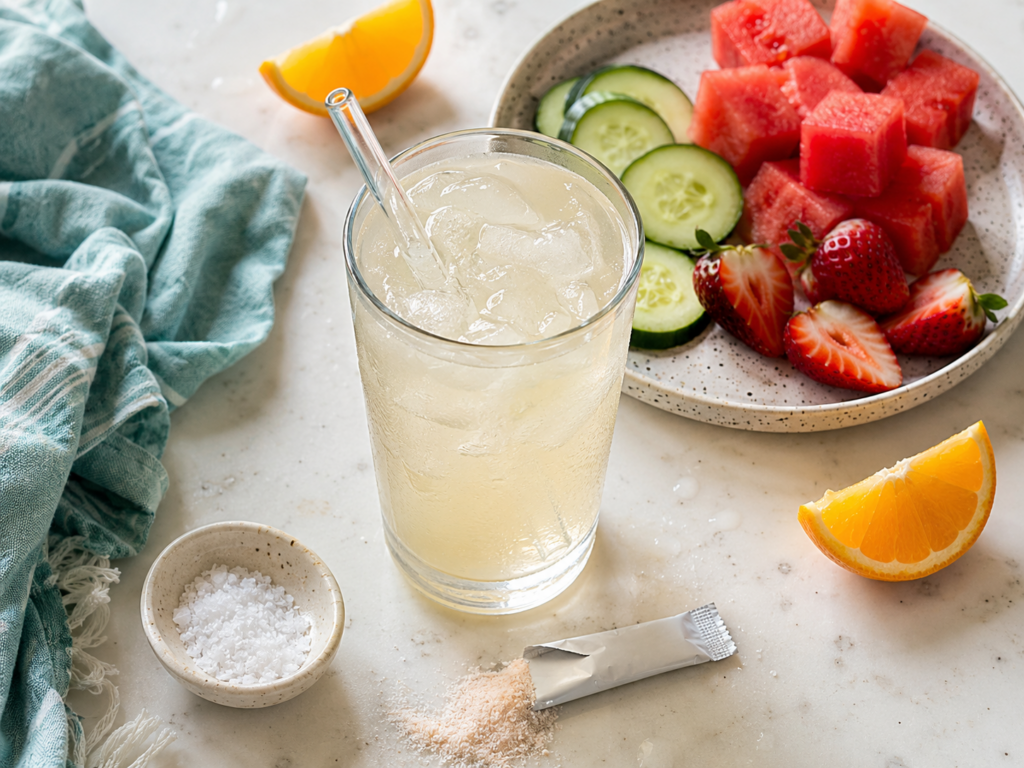
How to hydrate fast is not always as simple as chugging a giant glass of water and hoping for the best.
If you feel foggy, tired, headachy, dizzy, dry-mouthed, or just “off,” your body may need fluids, but it may also need electrolytes, steady sipping, food, or time to actually absorb what you’re drinking.
Hydration matters for more than thirst. Getting enough water helps prevent dehydration, which can contribute to unclear thinking, mood changes, overheating, constipation, and kidney stones, according to the CDC.
But the latest hydration conversation is more nuanced than “drink eight glasses a day.” Your needs change based on your body, activity level, sweat rate, the weather, how much caffeine or alcohol you’ve had, whether you’re sick, and even what you’ve eaten.
Here’s what actually helps you hydrate faster, when water is enough, and when your body may need a little more support.
The Fastest Way To Hydrate Depends On Why You’re Dehydrated
If you are mildly dehydrated from a normal busy day, the answer may be simple: drink water steadily and eat something with water, minerals, or salt.
If you are dehydrated from sweating, heat, vomiting, diarrhea, alcohol, travel, or a hard workout, plain water may not be the whole answer.
Your body may also need electrolytes, especially sodium, because sodium helps your body hold onto fluid and maintain fluid balance.
That is why the “best” hydration strategy depends on the situation.
For everyday hydration, water is still the easiest and most practical choice. The CDC notes that plain drinking water counts toward daily fluid intake, and foods with high water content, including many fruits and vegetables, can also contribute.
For more intense fluid loss, Mayo Clinic notes that adults with mild to moderate dehydration from diarrhea, vomiting, or fever can often improve by drinking more water or other liquids, while sports drinks with electrolytes and carbohydrates may help in hot, humid conditions or exercise.
Severe dehydration needs prompt medical treatment.
How To Hydrate Fast In Real Life
The simplest way to hydrate quickly is to combine fluids with absorption support.
Start with water, but do not force a huge amount all at once. Sip steadily over the next 30 to 60 minutes so your body has a chance to absorb it.
If you have been sweating, exercising, drinking alcohol, traveling, or dealing with diarrhea or vomiting, add electrolytes. That could mean an electrolyte packet, a low-sugar sports drink, coconut water with a salty snack, broth, or a meal that includes sodium and water-rich foods.
If you feel depleted but not sick, try this simple approach:
- Drink 12 to 16 ounces of water.
- Add electrolytes if you have been sweating, traveling, drinking alcohol, or feeling wiped out despite drinking water.
- Eat something hydrating or mineral-rich, such as fruit, soup, cucumber, yogurt, a smoothie, or a salty snack with water.
- Keep sipping instead of chugging.
The goal is not to flood your system. The goal is to help your body absorb and retain the fluid.

Why Chugging Water Is Not Always The Answer
When you feel dehydrated, it is tempting to chug a huge bottle of water as fast as possible. Sometimes that helps a little, but it is not always the most effective strategy.
Hydration is not just about how much fluid enters your body. It is also about how much your body absorbs and holds onto.
This is where electrolytes matter.
Electrolytes are minerals, including sodium, potassium, magnesium, chloride, calcium, and others, that help with fluid balance, muscle function, and nerve signaling. When you sweat heavily, you lose both water and electrolytes.
The American College of Sports Medicine notes that during exercise, beverages containing electrolytes and carbohydrates can provide benefits over water alone under certain circumstances, especially when fluid and electrolyte deficits need to be replaced.
That does not mean everyone needs a sports drink every day.
For a casual walk, a short studio class, or a normal workday, water and regular meals are usually enough.
But if you are sweating hard, exercising for a long time, or feeling depleted after heat, illness, or alcohol, electrolytes can make hydration more effective.
When You Might Need Electrolytes
You probably do not need electrolytes every time you drink water. But they can be helpful when your body has lost more than plain fluid.
Consider electrolytes when:
- You exercised intensely or longer than about an hour.
- You sweat heavily.
- You were outside in hot or humid weather.
- You drank alcohol.
- You are recovering from vomiting or diarrhea.
- You feel lightheaded, depleted, or headachy despite drinking water.
- You are traveling and not drinking or eating normally.
- You are doing multiple workouts in a day.
Mayo Clinic also notes that water is generally the best way to replace lost fluids, but sports drinks can help maintain electrolyte balance when exercising or training for more than 60 minutes.
For everyday life, this can look less like a neon sports drink and more like a practical hydration upgrade: water with an electrolyte packet, coconut water with a protein-rich snack, broth, a smoothie, or a balanced meal with sodium, potassium, and water-rich produce.
What Hydrates Better Than Water?
Water is still the foundation, but some drinks may help your body retain fluid longer.
A well-known study in The American Journal of Clinical Nutrition developed a Beverage Hydration Index by comparing urine output and fluid balance after people drank different beverages.
The study found that some drinks, including oral rehydration solution and milk, resulted in better short-term fluid retention than still water.
That does not mean you should replace water with milk or juice all day. It means hydration is affected by what else is in the drink.
Drinks that contain electrolytes, carbohydrates, protein, or calories may leave the stomach more slowly or help the body retain fluid longer. That can be useful after a sweaty workout, during recovery, or when you need more than plain water.
But context matters.
Juice may contain fluid and carbohydrates, but it can also be high in sugar without the fiber you would get from whole fruit.
Dairy may be hydrating for some people, but not everyone digests it well. Sports drinks may help in the right situation, but they can be unnecessary for light activity.
The practical takeaway: water is usually enough for normal hydration, but if you are trying to hydrate fast after real fluid loss, a drink with electrolytes can be more effective than plain water alone.
Food Can Help You Hydrate, Too
Hydration does not only come from drinks.
The CDC notes that foods, especially fruits and vegetables with high water content, can contribute to daily fluid intake.
That is good news if you get bored with plain water or you are trying to build hydration into your day without constantly thinking about it.
Hydrating foods include:
- Cucumber
- Watermelon
- Strawberries
- Oranges
- Grapefruit
- Tomatoes
- Zucchini
- Lettuce
- Celery
- Bell peppers
- Smoothies
- Soups
- Broth-based meals
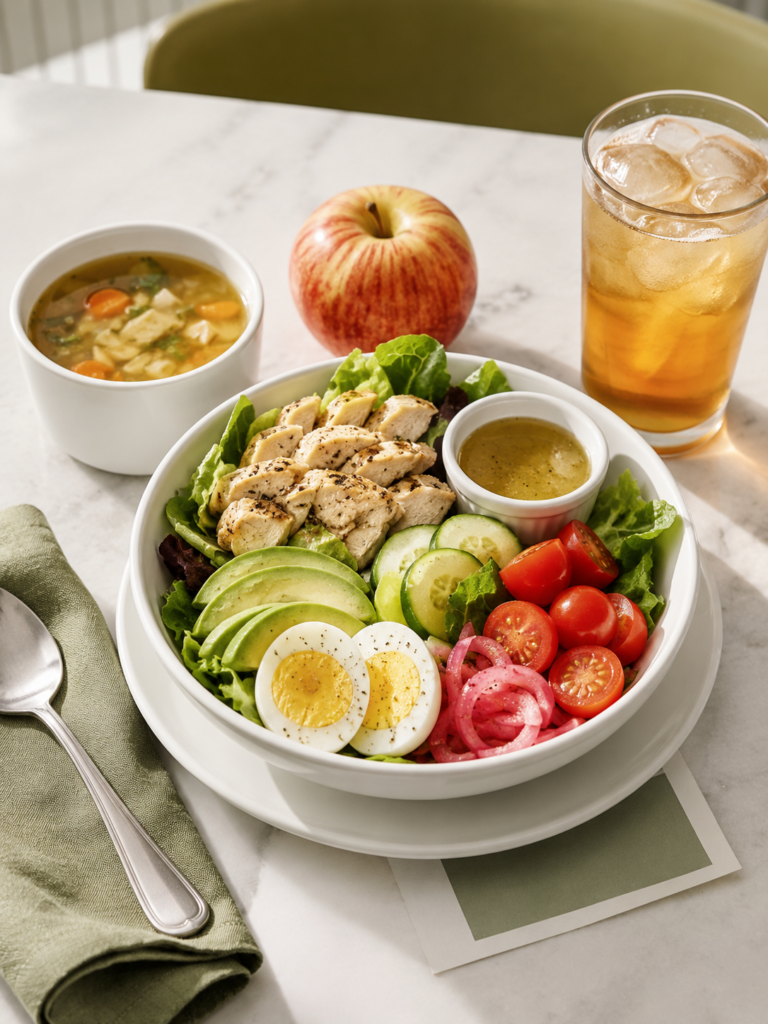
This is one reason smoothies, soups, fruit plates, and produce-heavy meals can be so helpful during hot weather, busy workdays, or post-workout recovery. They give you fluid plus other nutrients that support energy and fullness.
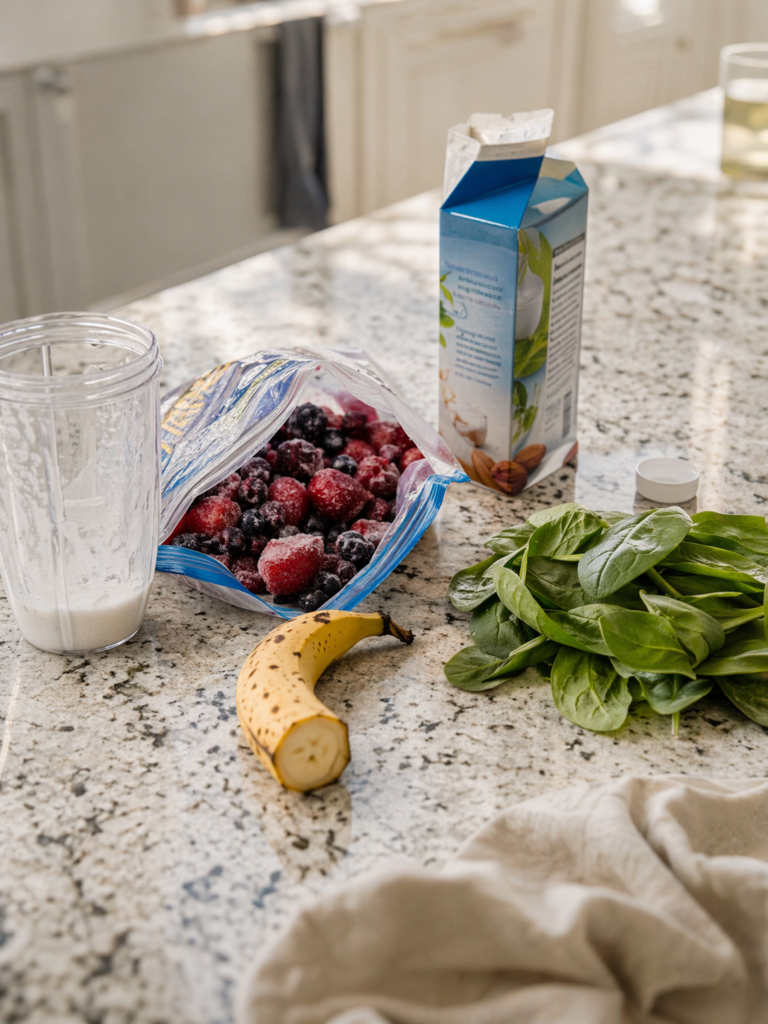
A smoothie with fruit, greens, Greek yogurt, and water or coconut water can be more useful than plain water when you also need carbs, protein, potassium, and something satisfying.
Your Pee Can Give You A Clue
One of the easiest ways to check hydration is urine color.
Pale yellow usually suggests you are reasonably hydrated. Dark yellow or amber can be a sign that you need more fluids. Completely clear urine may mean you are drinking more than you need, although timing, supplements, medications, and certain foods can affect color too.
So yes, your pee can be helpful, but it is not a perfect hydration test.
Morning urine is usually more concentrated. B vitamins can make urine look bright yellow. Some foods and medications can change urine color.
And if you are drinking a lot of water but still feeling dizzy, weak, confused, or unwell, do not rely on urine color alone.
For normal day-to-day hydration, urine color is a useful check-in. For serious symptoms, it is not enough.
Signs You May Be Dehydrated
Dehydration can show up in different ways depending on the person and the cause.
Common signs can include:
- Thirst
- Dry mouth
- Fatigue
- Headache
- Dizziness
- Dark urine
- Less frequent urination
- Muscle cramps
- Brain fog
- Feeling overheated
- Constipation
More serious dehydration symptoms can include confusion, fainting, rapid heartbeat, extreme weakness, or inability to keep fluids down. Severe dehydration should be treated right away, according to Mayo Clinic.
This is especially important for children, older adults, pregnancy, breastfeeding, illness, intense heat, or ongoing vomiting and diarrhea.
How Much Water Do You Really Need?
The old “eight cups a day” rule is easy to remember, but it is not personalized.
Your hydration needs depend on your size, activity level, climate, sweat rate, health status, pregnancy or breastfeeding status, and diet. The CDC notes that daily water intake recommendations vary by age, sex, pregnancy status, breastfeeding status, and activity level.
A better approach is to build hydration habits around your actual day.
- Drink water when you wake up.
- Keep water nearby while working.
- Drink before, during, and after workouts.
- Add electrolytes when sweat, heat, illness, alcohol, or travel are involved.
- Eat water-rich foods.
- Check in with urine color, thirst, energy, and headaches.
You do not need to obsess over every ounce. You need a simple rhythm that keeps you from getting behind.
A Simple Hydration Plan For Busy Days
If hydration is one more thing you forget until you feel awful, make it automatic.
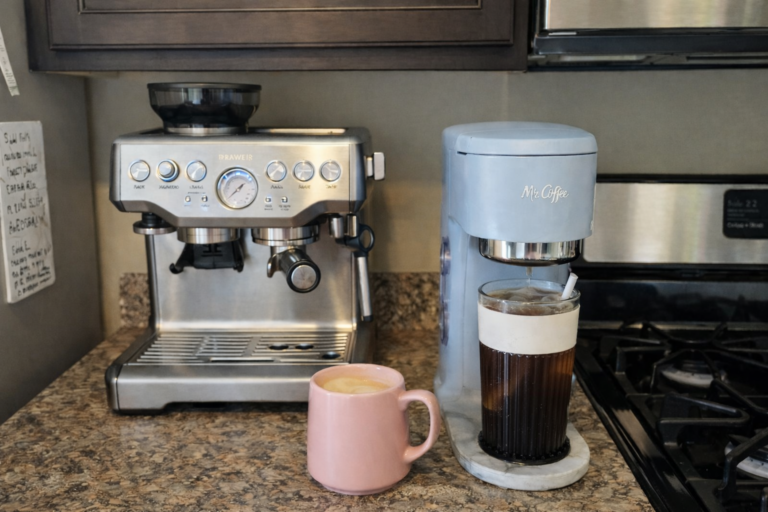
Start the morning with water before coffee. You do not have to give up coffee, but starting with water helps you rehydrate after sleep before caffeine becomes the main event.
Pair water with your existing routines. Drink water while making breakfast, before school drop-off, after a workout, with lunch, and when you sit down to work.
Use electrolytes strategically. Save them for sweaty workouts, hot days, travel, alcohol recovery, or times when water alone does not seem to help.
Eat something hydrating. Add fruit at breakfast, cucumbers or tomatoes at lunch, a smoothie in the afternoon, or soup with dinner.
Do not wait until bedtime. Trying to make up for an entire dry day at night usually just means interrupted sleep.
Hydration works best when it is steady, not dramatic.
What To Drink When You Need To Hydrate Fast
Here are a few practical options depending on the situation.
- For a normal busy day: water, sparkling water, herbal tea, fruit-infused water, or water with a meal.
- For a sweaty workout: water plus electrolytes, especially if the workout is intense, longer than an hour, or in heat.
- For post-workout recovery: water plus a balanced meal or snack with protein, carbs, and sodium. A smoothie, yogurt bowl, soup, or eggs with fruit can all help.
- For alcohol recovery: water plus electrolytes before bed or the next morning, along with food. Alcohol can leave you dehydrated and depleted, so plain water may not feel like enough.
- For illness: small steady sips of water, oral rehydration solution, or electrolyte drinks may help. If you cannot keep fluids down or symptoms are severe, get medical care.
- For hot weather: start hydrating before you feel awful. Water, electrolytes, salty foods, fruit, and cold water-rich foods can all help.
The Bottom Line On How To Hydrate Fast
The fastest way to hydrate is not always to drink the most water. It is to give your body the fluid and minerals it actually needs based on what caused the dehydration.
For everyday dehydration, water and hydrating foods may be enough. For sweat, heat, alcohol, travel, vomiting, diarrhea, or intense workouts, electrolytes can help your body absorb and retain fluid more effectively.
Start with water. Add electrolytes when the situation calls for them. Eat water-rich foods. Sip steadily. Pay attention to your body.
Hydration does not need to be complicated, but it does need to be more thoughtful than “just drink more water.”



Get the Weekly Wellth Newsletter
Stay up to date & receive the latest posts in your inbox.