



Green Juice for Beginners: Everything You Need to Start
If you’re curious about green juice but don’t know where to start, you’re in the right place.
Green juice can feel intimidating at first—especially if you’ve never owned a juicer or you’re worried it’ll taste terrible. But it doesn’t have to be complicated, expensive, or gross.
This beginner’s guide breaks down everything you need to know: what green juice actually is, when to drink it, how to make your first batch, what equipment you need, and a simple first-week plan to help you build the habit without overwhelm.
Let’s get into it.
What Is Green Juice? (A Simple Explanation for Beginners)
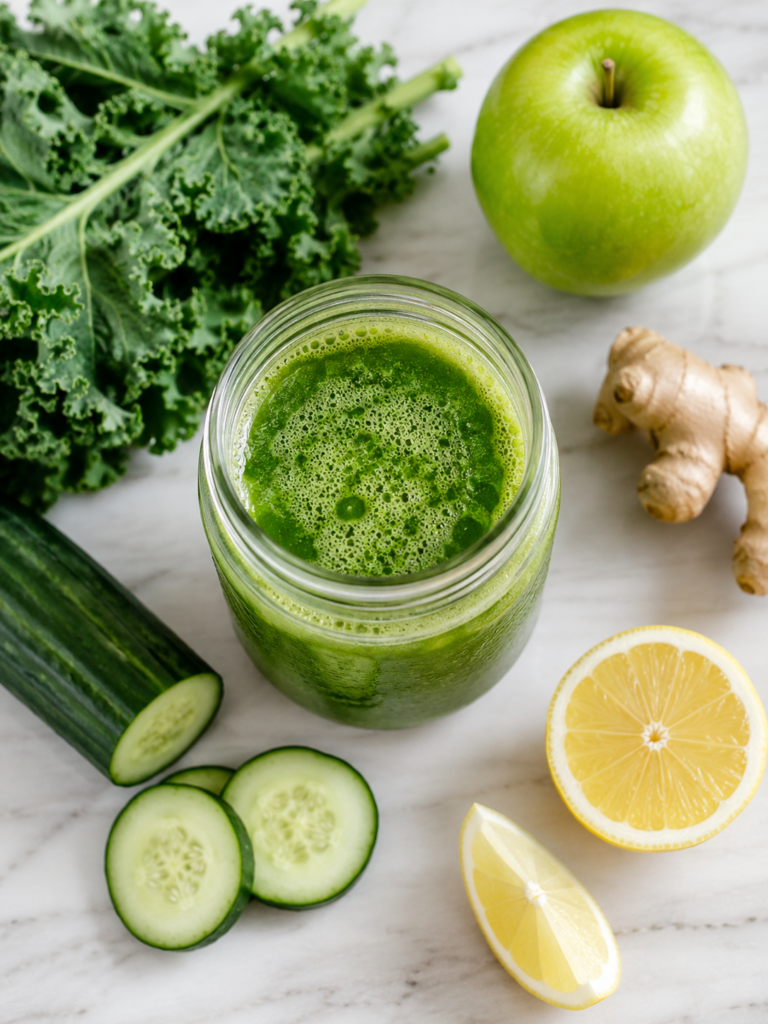
Green juice is made by extracting liquid from fresh vegetables and fruits—typically leafy greens like spinach or kale, hydrating vegetables like cucumber and celery, and flavor-balancing fruits like apple or lemon.
The juicing process removes most of the fiber, leaving you with a concentrated dose of vitamins, minerals, enzymes, and antioxidants that your body can absorb quickly.
Key difference from smoothies: Smoothies blend everything together (including fiber), while juice extracts only the liquid nutrients. Both are valuable—juice is just faster-absorbing and lighter on digestion.
For beginners, green juice is one of the easiest ways to flood your system with micronutrients without having to eat massive salads or choke down bitter greens.
Want to understand more about why juicing is so powerful? Check out our complete guide to the benefits of green juice.
When Should You Drink Green Juice? (Timing Matters)
One of the most common questions from green juice beginners: when is the best time to drink it?
Benefits of Green Juice in the Morning
Morning is ideal—and here’s why:
When you drink green juice in the morning on an empty stomach, your body can absorb the nutrients faster without competing with other foods. There’s no fiber to slow digestion, no protein or fat to process first—just pure, concentrated nutrition hitting your bloodstream.
The benefits of green juice in the morning include:
- Natural energy boost without caffeine (from B vitamins, iron, and magnesium)
- Better hydration first thing (most people wake up dehydrated)
- Sets a healthy tone for your day—you’re more likely to make better food choices
- Digestive support from enzymes and natural compounds in ginger and lemon
- Mental clarity from increased blood flow and oxygenation
I personally drink green juice within 30 minutes of waking up, before I eat breakfast. It’s become a grounding
Should You Drink Green Juice on an Empty Stomach?
Yes—and it’s actually better that way.
Drinking green juice on an empty stomach allows for optimal nutrient absorption. When your digestive system isn’t busy breaking down other foods, it can focus entirely on absorbing the vitamins, minerals, and enzymes from your juice.
Best practices for drinking green juice on an empty stomach:
- Drink it first thing in the morning, or wait 2-3 hours after eating
- Follow it with breakfast 20-30 minutes later (it’s not a meal replacement)
- Start with smaller amounts (4-6 oz) if you have a sensitive stomach
- If you feel nauseous, try drinking it more slowly or pairing it with a small snack
Some people worry about acidity or stomach upset, but green juice is generally very gentle—especially when you include cucumber and celery for hydration.
Should You Drink Green Juice Daily? (How Often Is Enough)
Here’s the truth: you don’t need to drink green juice every single day to see benefits.
Benefits of Green Juice Daily
If you drink green juice daily, you’ll likely notice:
- Consistent energy levels throughout the week
- Better digestion and less bloating
- Clearer skin and a more visible glow
- Fewer sugar cravings
- Improved hydration
But daily juicing isn’t realistic for most people. It requires daily prep, daily cleanup, and a lot of fresh produce.
Benefits of Green Juice Everyday (The Realistic Version)
For most green juice beginners, 1-3 times per week is the sweet spot.
This approach:
- Is actually sustainable long-term
- Still delivers real benefits
- Doesn’t require daily commitment
- Costs less (produce-wise)
- Feels like a
ritual , not a chore
I make one batch of green juice per week, store it in glass jars, and drink it 2-3 mornings. That’s enough to feel the benefits without turning my kitchen into a juice bar.
The key: Consistency beats frequency. One juice per week for a year is better than daily juicing for two weeks before you burn out.
What You Need to Get Started (Equipment for Beginners)
You don’t need to spend $500 on equipment to start juicing. Here’s what green juice beginners actually need:
Best Juicers for Beginners
Budget pick (under $50):
The Hamilton Beach Juicer is perfect if you’re just testing the waters and don’t want to invest much upfront.
Best for beginners:
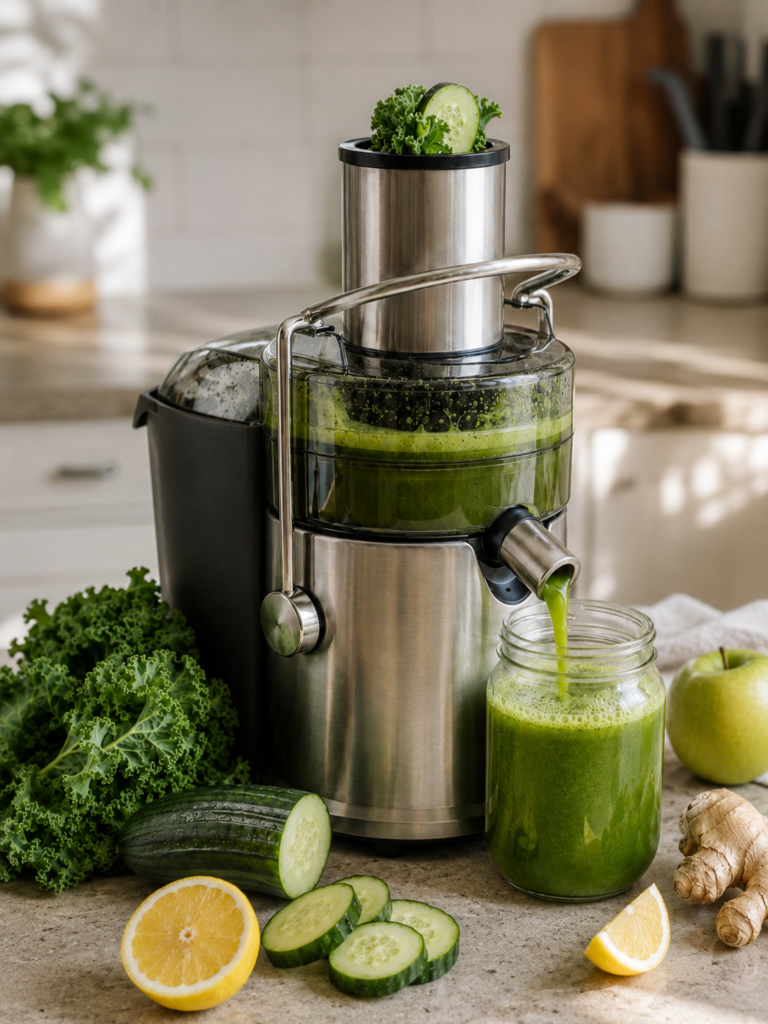
The Breville Juice Fountain Plus is perfect for beginners. It’s fast, easy to clean, and affordable. Juice lasts 24-48 hours in the fridge.
Best value cold press:
The EanOruus Cold Press Juicer extracts more juice, preserves more nutrients, and keeps juice fresh for 3-4 days. It’s quieter and worth the upgrade if you’re committing to weekly juicing.
Premium pick:
The Nama J2 Cold Press Juicer is top-of-the-line—quieter, more efficient, and built to last. Only worth it if you’re certain you’ll juice long-term.
For storing your juice:
These 8 oz glass mason jars with airtight lids are perfect for batch prepping juice for the week.
My recommendation: Start with the Hamilton Beach or Breville to test if juicing is for you. Upgrade to the EanOruus or Nama if you fall in love with it.
Other Supplies You’ll Need
- Glass jars with tight lids (8-16 oz mason jars work great)
- Cutting board and sharp knife
- Produce brush for washing
- Small funnel (optional, but helpful for pouring into jars)
That’s it. You don’t need fancy gadgets or expensive add-ons.
Ready to Make Your First Green Juice?
Once you have your equipment and you’re ready to start, you need a recipe that actually tastes good.
The biggest mistake beginners make is choosing a recipe that’s too “green”—too much kale, not enough sweetness, and ingredients you’ve never heard of. That’s how you burn out on juicing in a week.
Instead, start with a recipe designed for beginners. Check out our 5 easy green juice recipes for beginners—they’re simple, affordable, and actually enjoyable to drink.
Best beginner recipes to start with:
- Classic Beginner Green Juice – balanced, mildly sweet, the easiest starting point
- Tropical Green Juice – sweet, vibrant, feels like a treat
- Citrus Ginger Green Juice – bright and energizing
Pick one that sounds good and make it 2-3 times this week.
Green Juice Tips for Beginners (How to Set Yourself Up for Success)
Starting a new habit can feel daunting, but green juice for beginners doesn’t have to be complicated. Here’s how to make it easy:
Start with Easy-to-Juice Ingredients
Apples, carrots, cucumber, celery, and spinach are all beginner-friendly. They’re mild in flavor, easy to find, and juice well in any machine.
Gradually Add More Greens
Spinach and kale have a more earthy taste, so if you’re new to juicing, start with just a handful and increase over time. Adding water-filled vegetables like cucumber and celery will help improve the taste and make the greens less intense.
Use Fresh, Organic Produce When Possible
You’ll get the best taste and highest quality nutrients. If organic isn’t accessible or affordable, don’t let that stop you—just wash your produce well.
Clean Your Juicer Immediately
This is non-negotiable. Rinse your juicer immediately while the pulp is still wet—it takes 2 minutes and saves you from scrubbing dried pulp later.
Store Your Juice Properly
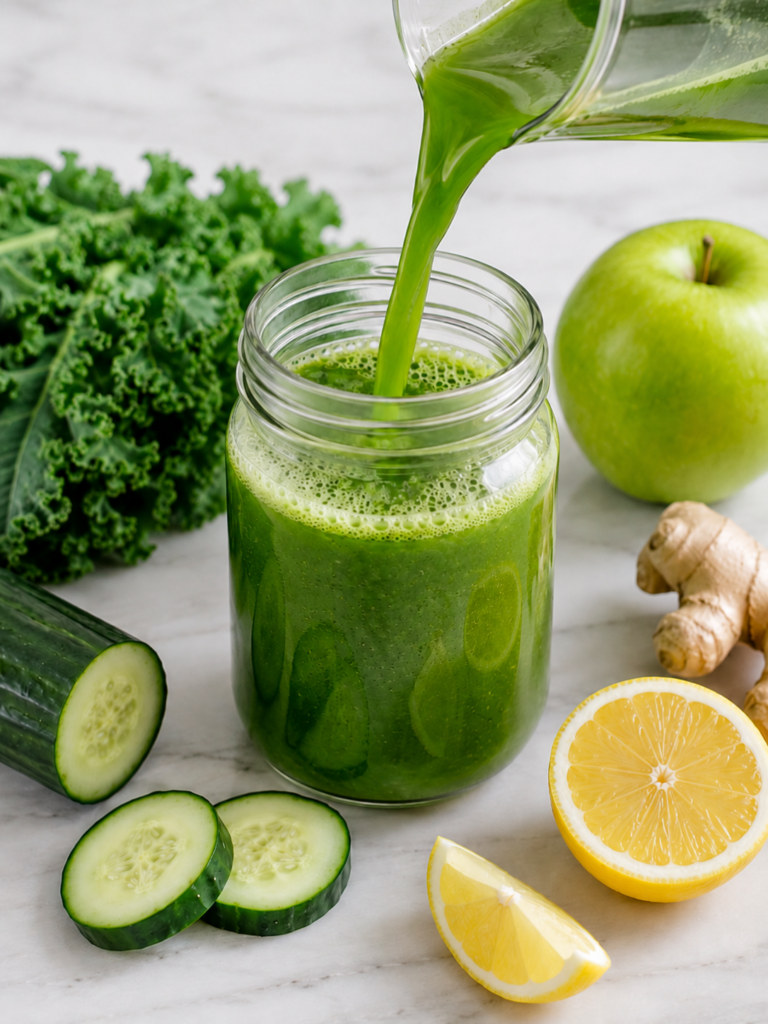
Pour juice into glass jars and fill them to the top (less air exposure = longer shelf life). Store in the fridge and shake before drinking.
Cold press juicer: Juice lasts 3-4 days Centrifugal juicer: Drink within 24-48 hours
Don’t Stress About Perfection
Green juice for beginners is about progress, not perfection. Start with one juice a week and see how you feel. You don’t need to juice daily to see benefits.
Ready to Build a Sustainable Routine?
Once you have your equipment and you’ve picked a recipe, the next step is building this into a sustainable weekly habit—not a daily grind.
Most people who try juicing burn out within 2 weeks because they try to juice every single day. That’s not sustainable, and it’s not necessary.
For a realistic weekly routine that actually fits into your life (and supports weight loss as a bonus), check out our guide on how to make green juice a weekly habit.
Common Questions from Green Juice Beginners
Is green juice a meal replacement?
No. Green juice is best used as a supplement to your meals—not instead of them. Pair it with a protein-rich breakfast or drink it between meals. Think of it as a nutrient boost, not a complete meal.
What’s the best time to drink green juice?
Morning on an empty stomach is ideal for optimal absorption. You can also drink it as an afternoon pick-me-up instead of reaching for coffee or a sugary snack.
Can I use frozen vegetables?
No. Fresh is best for juicing. Frozen vegetables don’t work well in most juicers and can damage the machine. Stick to fresh produce.
Do I have to use organic produce?
It’s ideal but not required. If you can’t access or afford organic, just wash your produce thoroughly. Don’t let perfect be the enemy of good—any green juice is better than no green juice.
How much green juice should beginners drink?
Start with 8-12 oz a few times a week. You don’t need to drink it daily to see benefits. Consistency over intensity is the key for green juice beginners.
Can I add protein powder to my green juice?
You can, but it changes the texture and defeats some of the purpose (fast absorption). If you want protein, drink your juice first, then have a protein-rich meal 20-30 minutes later.
What if I don’t like the taste?
Start with more apple or cucumber (natural sweetness), use less ginger, and stick with spinach instead of kale at first. Your palate will adjust over time—most people find they crave greens after a few weeks of consistent juicing.
Can I make green juice without a juicer?
Yes, but it’s messier. Blend all ingredients in a high-speed blender with ¼ cup water, then strain through a nut milk bag or fine mesh sieve. You’ll lose some juice in the pulp, but it works in a pinch.
What to Expect in Your First Month of Juicing
Green juice beginners often ask: “When will I see results?”
Here’s a realistic timeline:
Week 1: You’ll notice better hydration and possibly more energy. You might also feel proud of yourself for trying something new.
Week 2: Digestion may improve. Bloating often decreases. You’ll start to crave the juice if you skip it.
Week 3: Skin clarity begins to show. Energy feels more consistent. Sugar cravings may reduce.
Week 4: The habit feels easier. You’ve figured out your prep rhythm. The benefits feel undeniable.
Important: These benefits come from consistency, not perfection. One juice per week for four weeks beats daily juicing for one week and then quitting.
Next Steps: Beyond the Basics
Once you’ve mastered the beginner recipe and built a sustainable routine, you can:
- Experiment with new ingredients (beet, parsley, mint, turmeric)
- Try targeted juice recipes for specific goals (anti-inflammatory, energy, digestion)
- Explore seasonal ingredients to keep it interesting
- Learn about the deeper benefits of green juice and why it works
Check out our Morning Meditation Juice recipe for an anti-inflammatory citrus blend, or browse our full juice and smoothie archive for more inspiration.
Final Thoughts for Green Juice Beginners
Green juice for beginners doesn’t require expensive equipment, daily commitment, or a cupboard full of superfoods.
You just need:
- A basic juicer (or even a blender in a pinch)
- A handful of fresh ingredients
- 15 minutes on a Sunday
- The willingness to try something new
Start with one juice this week. Notice how you feel. Adjust the recipe if needed. And go from there.
You don’t have to be perfect. You just have to start.

Get the Weekly Wellth Newsletter
Stay up to date & receive the latest posts in your inbox.