



How to Become a Morning Person (Without Forcing Yourself to Wake Up at 5 A.M.)
So you want to become a morning person. Maybe you’re here because you’re tired of feeling like mornings happen to you instead of for you.
Maybe you’ve had a taste of it — a few days where you actually woke up at 6 AM and felt amazing. You had time. You felt productive. You thought, This is it. I’m finally going to be a morning person.
Then two days later, you’re back to hitting snooze five times, rushing out the door, and wondering why it never sticks.
Here’s the truth: you can become a morning person. You can wake up feeling rested instead of groggy, sip your coffee in peace, fit in a workout, or just breathe before the world starts demanding things from you.
That’s what becoming a morning person actually gives you: control, calm, and time that feels like it’s yours.
But forget the generic advice to “make your bed” or “drink lemon water.” You don’t need another motivational quote. You need to understand why mornings feel so hard — and how to reset your body’s internal clock so waking up early feels natural.
Your body runs on a biological clock called your circadian rhythm. If you’ve been going to bed at midnight and waking up at 9 AM for years, that rhythm is locked into that schedule.
You can’t willpower your way out of biology. But you can reprogram it.
And the best part? It only takes 2–4 weeks of consistent action. This article breaks down exactly how.

Why Even Become a Morning Person? The Real Benefits
Becoming a morning person gives you what most people are desperate for: more time, more calm, and more control.
You’re not rushing. You’re not reacting. You’re setting the tone for your day on your terms.
And yes, the benefits are real. Research shows that morning people tend to be more productive, experience better mental health, have more consistent sleep patterns, and enjoy more time for self-care and planning.
But beyond what studies show, there are subtle, personal perks you only notice once you’ve lived it:
- The quiet hits different. There’s a softness to the world before it wakes up — even the light feels calmer.
- Ideas come easier. Your brain is uncluttered, so creativity actually feels effortless.
- You stop chasing time. You’re not behind before the day begins — you’re ahead.
- You notice the details. Sunlight creeping through blinds, the smell of coffee, your kid still asleep — it grounds you.
For me, mornings became sacred — especially after becoming a mom. It’s the one time I can think, breathe, and move before the chaos starts.
If you want more peace, energy, and focus in your day, becoming a morning person might be the best lifestyle upgrade you can make.
Now let’s get into the actual tactics.
How to Become a Morning Person: 6 Changes That Make It Actually Possible
1. Fix Your Sleep Schedule (Not Just Your Wake Time)
You can’t become a morning person if you’re only sleeping 5 hours.
The non-negotiable math:
- Adults need 7-9 hours of sleep
- If you want to wake up at 6 AM, you need to be asleep by 10-11 PM
- Not in bed scrolling. Asleep.
How to actually fall asleep earlier:
2-3 hours before bed:
- Stop eating (digestion keeps you awake)
- Dim all lights in your house (bright light suppresses melatonin)
- Set your thermostat to 65-68°F (your body needs to cool down to sleep)
1-2 hours before bed:
- No screens (yes, really — blue light is a circadian disruptor)
- If you must use devices, use blue light blocking glasses or night mode
- No caffeine after 2 PM (it has a 6-hour half-life)
30 minutes before bed:
- Prep everything for tomorrow: clothes, lunch, bag, keys
- Take a hot shower (the post-shower temperature drop signals sleep time)
- Read something boring (not your phone)
Why this works: You’re working with your biology instead of against it. Melatonin (your sleep hormone) rises when it’s dark and cool. Light and heat suppress it.
Track it: Use an app like Sleep Cycle to see your actual sleep patterns. You might think you’re sleeping 8 hours but actually only getting 6.5.
Sleep is quite literally The One Habit That Can Transform Your Life →.
If you do nothing else on this list, do this.
2. Shift Your Wake Time in 15-Minute Increments (Don’t Go Cold Turkey)
Trying to jump from waking up at 9 AM to 6 AM overnight is like running a marathon with zero training. Your body will revolt.
What to do instead:
- Move your alarm 15 minutes earlier every 2-3 days
- If you currently wake at 8:30 AM, set it for 8:15 AM for 3 days, then 8:00 AM, then 7:45 AM
- Keep going until you hit your target time
Why this works: Your circadian rhythm adjusts gradually. Small shifts don’t trigger the “this is torture” response that makes people quit after two days.
Pro tip: When daylight saving ends in the fall, don’t change your clock routine. Keep waking up at the same time on your watch. Boom, you just became an hour-earlier riser without doing anything.
3. Get Out of Bed Immediately (No Snoozing, No Lying Around)
This is the make-or-break moment. Everything else in this article is useless if you hit snooze.
What to do:
- Put your phone/alarm across the room so you have to stand up to turn it off
- Use an alarm app like Alarmy that makes you solve a math problem or scan a barcode before it stops
- Once you’re up, immediately walk to another room — bathroom, kitchen, wherever
- Do NOT get back in bed, “rest your eyes,” or lie on the couch
Why this works: The physical act of standing and moving raises your body temperature and increases blood flow. Your body temperature is at its lowest in the early morning, so movement signals to your brain that it’s time to be awake.
Within 2-3 minutes of being upright and moving, you’ll feel more awake than if you’d snoozed for 20 minutes.
The first week sucks. Do it anyway. By week 2, your body starts to wake up before the alarm. By week 3, you might not need it at all.
4. Get Bright Light Immediately (Within 30 Minutes of Waking)
This is the single most powerful circadian reset tool you have.
What to do:
- Open your curtains the moment you get out of bed
- Step outside for 5-10 minutes (even if it’s cloudy — natural light still works)
- If it’s still dark outside (winter mornings, early wake times), use a 10,000 lux light therapy lamp for 20-30 minutes while you drink coffee or get ready
What about winter? If you’re waking up at 6 AM in December and it’s pitch black outside, you have two options:
- Use a light therapy lamp immediately (this is what the lamp is for)
- Get outside the moment the sun starts to rise, even if it’s 30 minutes after you wake up
The key is getting bright light as early as possible in your waking hours, even if it’s artificial at first.
Why this works: Light exposure tells your suprachiasmatic nucleus (your brain’s master clock) that it’s morning. This suppresses melatonin, increases cortisol (which wakes you up), and sets your sleep-wake cycle for the next 24 hours.
A study in the Journal of Clinical Sleep Medicine found that morning light exposure not only improves alertness but also makes you fall asleep easier at night.
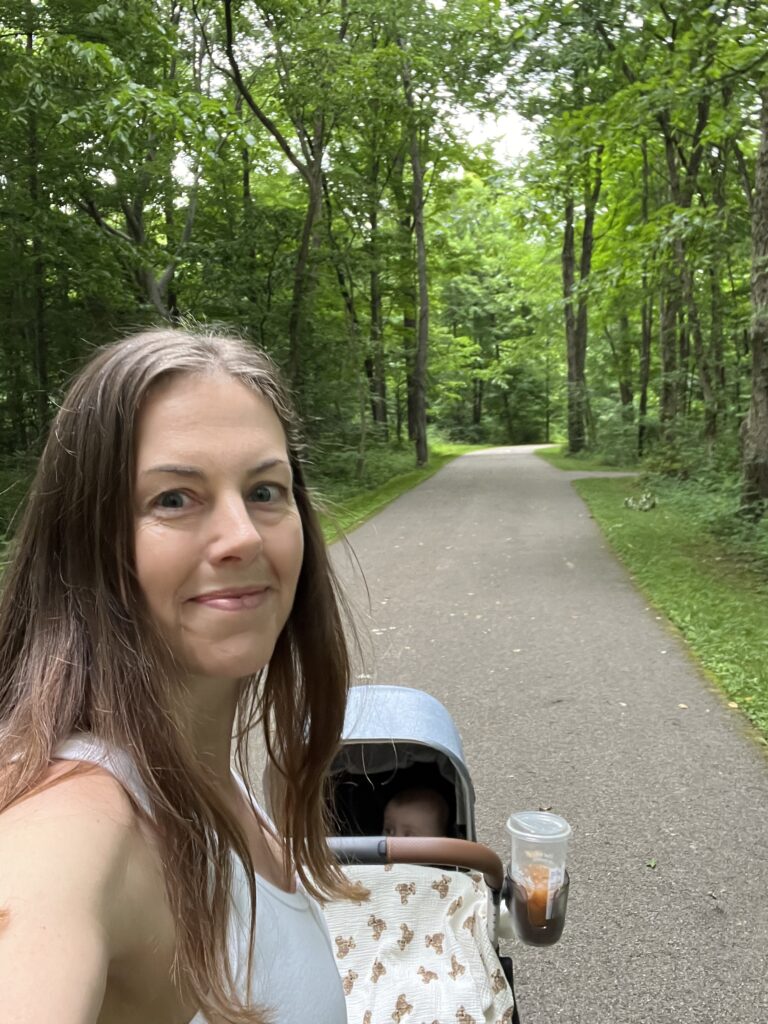
This is so effective that I literally chose my house based on the bedroom windows facing northeast so I’d wake up to natural sunlight.
5. Stay Consistent on Weekends (Don’t Skip This One)
Your circadian rhythm doesn’t know it’s Saturday.
The rule (at least for the first 4-6 weeks): Keep your wake time within 30 minutes every single day — including weekends.
Why this is brutal but necessary: Sleeping in 2 hours on Saturday resets your internal clock backward. You’ll spend Monday and Tuesday feeling jetlagged and exhausted, fighting to wake up early again.
It’s called “social jetlag” and it’s why most people never successfully become morning people. They make progress all week, then blow it up every weekend.
How to make this bearable:
- Go to bed at the same time on weekends too
- If you want more sleep, move your whole schedule earlier (bed at 9:30 PM, wake at 6:30 AM)
- Remember: consistency is what makes waking up early feel easy eventually
Here’s the good news: Once your rhythm is truly established (after 4-6 weeks of solid consistency), you can sleep in occasionally without destroying everything.
Had a terrible night’s sleep? Went out late? Your body will bounce back faster because the habit is ingrained. You might sleep until 8 AM instead of 6 AM, and then get right back on track the next day.
But you have to build the foundation first. You have to embody the routine before you can break it.
Think of it like learning to drive — you need to follow all the rules religiously at first. Once you’re experienced, you can handle exceptions without crashing.
After 3-4 weeks of true consistency, you’ll wake up naturally without an alarm. That’s when you know your rhythm has shifted.
6. Schedule Something You HAVE to Show Up For (This Is the Glue That Holds Everything Together)
Here’s what nobody tells you: you can do everything right and still fail if you have nothing to get up for.
This is tough during periods when you don’t have a job or activity calling you to get up. But don’t beat yourself up.
No external accountability = zero reason to override the “stay in bed” signal. It’s a taste of retirement, and it makes becoming a morning person nearly impossible.
Why this matters: Your brain is lazy and efficient. If there’s no consequence for staying in bed, it won’t prioritize waking up. Motivation fades. Discipline wavers. But obligation? Obligation works.
What counts as external accountability:
- A morning workout class you paid for (especially if there’s a cancellation fee)
- A standing coffee date with a friend at 7 AM
- An in-person work meeting or shift you can’t miss
- A morning dog walking group
- A gym buddy who will text you “where are you?” if you don’t show
- A side hustle client call scheduled for 8 AM
What doesn’t count:
- “I’ll work out at home” (you’ll skip it)
- “I’ll be more productive” (vague, no stakes)
- “I want to journal” (nice to have, easy to postpone)
The pattern: Remote workers and retirees struggle the most with early wake times because there’s no external forcing function. Office workers, parents with school drop-off, and people with morning obligations have built-in accountability.
How to create this if you don’t have it naturally:
- Sign up for a 6 AM class that charges you if you no-show
- Schedule a recurring morning video call with a friend or accountability partner
- Take on a volunteer commitment that requires you to show up early
- Get a dog (sounds crazy, but it works — they don’t care that you’re tired)
- Book morning client calls or meetings if you control your schedule
Real talk: I’ve gone through periods with and without external accountability. When I had a 6 AM Cyclebar class I’d already paid for? I showed up. When I was between jobs and had “flexibility”? I got up early, but overtime tended to squander my mornings, even as a morning person.
The brutal truth: If you’re working from home in your pajamas with no meetings before noon, becoming a morning person is 10x harder. Your environment is working against you.
So create the obligation first. Then use the other six steps to make it sustainable.
What About “Making Mornings Enjoyable”?
You’ll see a lot of advice about creating a morning routine you “look forward to” — journaling, meditation, fancy coffee rituals, etc.
Here’s the truth: those things are great, but they’re bonus features, not the foundation.
They’re what you do after you’ve successfully reprogrammed your wake time and established accountability.
First, fix your biology. Then, create external obligation. Then, add the enjoyable stuff.
If you try to do all three at once, you’ll overwhelm yourself and quit.

Troubleshooting: What If This Isn’t Working?
“I’m doing everything but I still feel exhausted in the morning.”
- You might have an underlying sleep issue (like sleep apnea or insomnia) that needs medical attention. Or your sleep is simply effected by your menstrual cycle and you need to give yourself more time to adjust. It may be worth checking with a doctor.
- Focus on sleep quality, not just quantity. 8 hours of restless sleep won’t beat 7 hours of deep, restorative sleep.
- Consider whether alcohol or your dinner might be affecting your sleep. A poor diet and even ONE drink can significantly reduce sleep quality, even if you fall asleep easily.
“I’m a natural night owl. This feels impossible.”
- Night owls have a delayed circadian rhythm, but it’s not set in stone. It just takes a bit longer to shift (4-6 weeks instead of 2-4).
- Double down on morning light exposure and evening light reduction — these matter even more for you.
- Melatonin supplements (0.5-1mg taken 1-2 hours before your target bedtime) can help shift your rhythm faster during the first 2 weeks. Talk to your doctor first.
“I did great for 2 weeks then fell off.”
- This happens to everyone. One late night doesn’t erase your progress.
- The key is getting back on schedule immediately the next day. Don’t try to “make up” sleep by sleeping in — that actually resets your hard-earned progress.
- The faster you return to consistency, the less ground you lose. You’re building resilience, not perfection.
How Long Does It Actually Take to Become a Morning Person?
Realistic timeline:
- Week 1: Feels hard. You’re tired. Push through.
- Week 2: Starting to adjust. Wake-ups feel less brutal.
- Week 3: Your body starts waking up naturally around alarm time.
- Week 4: You feel legitimately good in the mornings.
Here’s what matters: You have to stay consistent. If you skip weekends or keep changing your wake time, you’ll reset your progress and stay stuck in the hard phase.
But if you stick with it? Within a month, you’ll be the person who genuinely doesn’t need coffee to function before 8 AM.
The Bottom Line: Become a Morning Person In Less Than a Month
Becoming a morning person isn’t about motivation, willpower, or “finding your why.”
It’s about:
- Shifting your wake time gradually (15 min every 2-3 days)
- Fixing your sleep schedule (7-9 hours, lights dim at night, cool bedroom)
- Getting out of bed immediately (no snoozing, move to another room)
- Getting bright light as soon as possible (open curtains, go outside, or use a light therapy lamp)
- Staying consistent 7 days a week (weekends included)
- Scheduling something you HAVE to show up for (this is what prevents backsliding)
Do these six things for 3-4 weeks and your circadian rhythm will reprogram itself.
Then — and only then — you can add the journaling, the perfect breakfast, the morning workout you’ve been dreaming about.
But first? Just show up at the same time every day.
Your body will do the rest.
Start this week: Pick your target wake time. Set your alarm 15 minutes earlier than usual. Do it for 3 days. Then move it another 15 minutes. That’s it.




Get the Weekly Wellth Newsletter
Stay up to date & receive the latest posts in your inbox.